

Ethyl acetate decaf, often sold as “sugarcane decaf,” is coffee decaffeinated using a solvent that pulls caffeine from the bean through direct contact. The process is permitted under FDA rules, with residue limits built into food law. Cup quality tends toward fuller body and mild sweetness, which is why many espresso and milk-drink roasters favor it.
TL;DR:
- Ethyl acetate used in decaf can originate from sugarcane fermentation or petrochemical sources, but the chemical process and residue limits are identical regardless of feedstock.
- The extraction process’s parameters, such as solvent ratio, contact time, and temperature, significantly influence flavor retention and caffeine removal efficiency.
- Roasting temperatures of about 230°C effectively drive off residual ethyl acetate, making consumer exposure to the solvent negligible within regulated safety limits.
- Ethyl acetate decaf produces a fuller-bodied cup with mild fruity or syrupy notes, which pairs well with espresso and milk drinks but may be less neutral than water-processed decafs.
- Labels claiming “natural” or “chemical-free” don’t necessarily indicate the absence of solvents; asks about testing and roast date to ensure freshness and process transparency.
Table of Contents
- How the ethyl acetate decaffeination process actually works
- Safety and regulation: what U.S. rules and published studies show
- How EA affects cup quality and when it’s the better choice
- How to read labels and choose a decaf that fits you
- Esprit Kaffe perspective: how we select and roast decaf
- Our take: the sugarcane label deserves more scrutiny than it gets
- Find your decaf fit with Esprit Kaffe
- FAQ
- Sources
How the ethyl acetate decaffeination process actually works
The process runs in a set sequence, and each step changes what ends up in your cup.
- Steaming the beans: Green coffee is steamed or soaked to raise moisture and swell the bean structure, opening pathways for solvent contact.
- Solvent extraction: Ethyl acetate is washed through the beans at moderate heat, repeatedly, until caffeine content drops to the target level; contact time and concentration vary by processor and origin.
- Steaming off residual solvent: A second steaming stage drives off ethyl acetate that remains after extraction.
- Drying and solvent recovery: Beans are dried back to a stable moisture level, and the solvent is distilled and reused rather than discarded.
The naming confusion around “natural” decaf comes down to feedstock, not chemistry. Ethyl acetate can be synthesized from sugarcane fermentation byproducts or derived from petrochemical sources, and the resulting molecule is identical either way. Processors that source sugarcane-derived ethyl acetate market the coffee as “sugarcane decaf,” which is accurate as a supply-chain detail but does not describe a different chemical process. Industry reporting on sugarcane-origin ethyl acetate notes Descafecol in Manizales, Colombia, as a major processor using this route, and the finished coffee undergoes the same extraction, steaming, and drying regardless of where the solvent originated.
Process parameters matter more than feedstock. Experimental work on ethyl acetate concentration found that solvent ratio, contact time, and temperature directly affect both how much caffeine is removed and how many flavor-related compounds survive the process, which is why two batches of “EA decaf” from different plants can taste noticeably different.
Safety and regulation: what U.S. rules and published studies show
Ethyl acetate decaf operates inside an established regulatory framework rather than a gray area. The eCFR at 21 CFR §173.228 permits ethyl acetate as a food-contact solvent, including use in decaffeination, when applied under good manufacturing practice. Separately, FDA solvent guidance classifies ethyl acetate as a Class 3 solvent, the agency’s lowest-toxicity category for solvents used in food and pharmaceutical processing.
A 2025 lab study reported caffeine reduction to nearly complete levels under optimized extraction conditions, with measurable chlorogenic acid retained in the finished beans. This comes from peer-reviewed research on green extraction methods, which also pointed to solvent recovery and reuse as a practical byproduct of well-run extraction.
Two practical factors keep consumer exposure low. Roasting temperatures run near 230°C, far above ethyl acetate’s boiling point of roughly 77°C, so the heat of roasting drives off essentially all remaining solvent before beans are ground or brewed. Combined with regulatory residue limits and the high removal efficiency shown in lab testing, the evidence points toward ethyl acetate decaf sitting comfortably within established food-safety boundaries for routine consumption.

How EA affects cup quality and when it’s the better choice
Ethyl acetate decaf has a recognizable sensory signature: fuller body than water-processed decaf, with mild fruity or syrupy notes that some drinkers describe as rounder or softer. This isn’t accidental. A chemical analysis of decaffeinated and regular coffee found that decaffeination measurably alters levels of trigonelline and certain pyrazines, compounds tied to roasted, nutty flavor notes, which helps explain why decaf and regular beans from the same lot can taste different even before brewing method is considered.
- Espresso and milk drinks tend to showcase ethyl acetate decaf well, since its body holds up against steamed milk.
- Black coffee drinkers chasing a cleaner, more neutral cup often prefer Swiss Water or CO2 processing instead.
- Freshness and roast level frequently matter more to the final cup than the decaffeination method itself.
For a milk-based way to showcase the body ethyl acetate decaf brings to the cup, an affogato recipe pairs decaf espresso with ice cream in under five minutes.
Pro Tip: If you’re brewing decaf black, check the roast date before the processing method, since stale beans flatten flavor regardless of how the caffeine was removed.
Roast level also shapes outcome. A darker roast tends to mask subtler process-driven notes, while a lighter roast lets the sugarcane EA profile show through more clearly, a tradeoff worth weighing alongside the brewing notes in our guide to dark decaf flavor and brewing.
How to read labels and choose a decaf that fits you
Decaf labels carry more information than they first appear to.
- Look for the process name. “Ethyl acetate,” “sugarcane decaf,” and “natural decaf” typically refer to the same solvent-based method; “Swiss Water” and “CO2” indicate chemical-solvent-free methods.
- Ask the roaster about testing. A roaster who can speak to residual solvent testing and their processing partner is giving you more than a marketing label.
- Check the roast date. Freshness affects flavor more than most shoppers expect, regardless of decaffeination method.
- Weigh method against origin and price. A well-sourced, freshly roasted EA decaf can outperform a mediocre water-processed one.
- Treat “chemical-free” claims with skepticism. Every decaffeination method involves either a solvent or a process like carbon dioxide under pressure; “natural” describes feedstock origin, not the absence of processing.
If residual caffeine levels matter to you specifically, our breakdown of decaf caffeine content covers what typically remains in an 8 oz cup after any method.
Esprit Kaffe perspective: how we select and roast decaf
We offer a decaf collection chosen around flavor fit as much as processing method. When a roast is built for espresso or milk drinks, we lean toward the fuller body that sugarcane ethyl acetate decaf tends to deliver, and when the goal is a cleaner black cup, we weigh water-based options instead. Our roasting schedules account for the fact that decaf beans behave differently under heat than regular beans, and we treat freshness and roast date as the levers that do the most to protect flavor, regardless of which decaffeination method a given lot started with.
Our take: the sugarcane label deserves more scrutiny than it gets
The evidence here supports a plainer conclusion than most marketing copy offers: “sugarcane decaf” is a sourcing claim, not a safety upgrade or a different chemical process. Ethyl acetate from sugarcane fermentation and ethyl acetate from petrochemical routes are the same molecule, regulated the same way, with the same residue limits applying regardless of feedstock.

Where conventional advice falls short is treating “natural” as a proxy for “solvent-free.” It isn’t. If avoiding solvent contact entirely is your priority, the feedstock story is irrelevant, and a water-based or CO2 method is the more honest match for that goal. If flavor and body in milk drinks are your priority, ethyl acetate decaf earns its place on technical merit, not on the sugarcane story alone.
Readers should prioritize roast freshness and a roaster’s willingness to discuss testing and sourcing over any single buzzword on the bag.
— Jett
Find your decaf fit with Esprit Kaffe
Choosing a decaf shouldn’t mean guessing at what a label implies. Our coffee is roasted by batch, origin, and roast level, starting at $15.00 for coffee and $19.99 for merch, so you can match a decaf to how you actually drink it, whether that’s espresso with milk or a clean black cup.
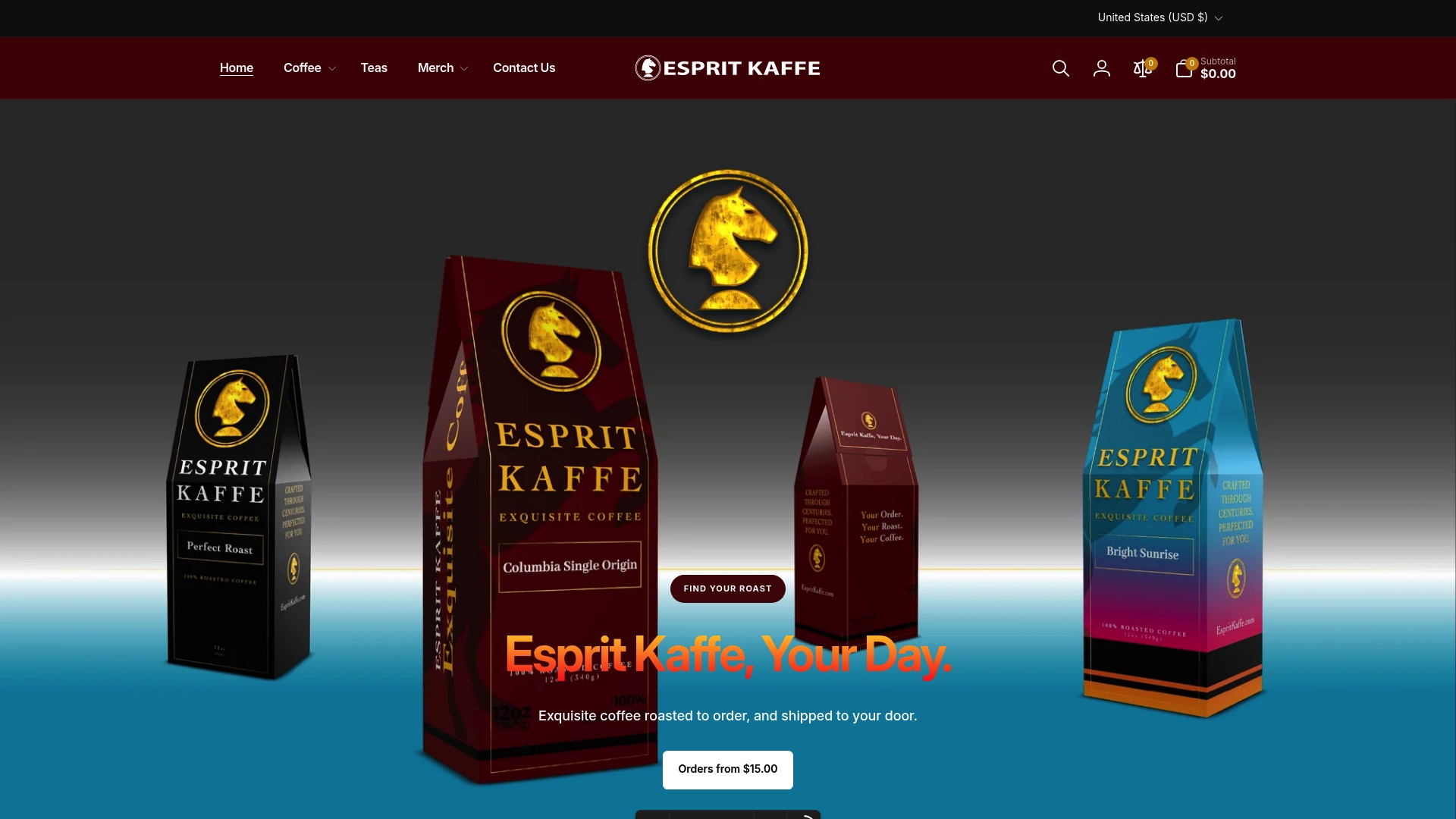
If you want decaf delivered on a schedule instead of reordering every few weeks, our Esprit Kaffe Members Club Subscription keeps fresh roasts coming without the extra step. Browse the current lineup and find the roast that fits your morning.
FAQ
Is ethyl acetate safe for decaf coffee?
Yes, ethyl acetate is permitted for decaffeination under FDA food-contact rules and classified as a Class 3, low-toxicity solvent by the agency. Roasting temperatures also exceed ethyl acetate’s boiling point, which drives off remaining solvent before the coffee reaches your cup.
What is the healthiest decaffeination process?
There isn’t one method established as healthiest; each approved process, including ethyl acetate, Swiss Water, and CO2, operates under its own safety framework and residue limits. Drinkers avoiding any solvent contact typically choose Swiss Water processing, while those prioritizing body and flavor in milk drinks often choose ethyl acetate decaf.
Is ethyl acetate safe for humans?
Ethyl acetate is classified as a Class 3 solvent by the FDA, meaning low toxic potential in food and pharmaceutical processing, and its use in coffee is regulated under 21 CFR §173.228. Separate occupational exposure limits exist for handling concentrated solvent in industrial settings, which is a different context than trace residues in roasted beans.
Is ethyl acetate used to decaffeinate coffee?
Yes, ethyl acetate is a direct-solvent decaffeination method, often marketed as “sugarcane decaf” when the solvent is derived from sugarcane fermentation byproducts. The bean is steamed, washed with the solvent to remove caffeine, then steamed again and dried before roasting.
Sources
- eCFR :: 21 CFR 173.228 – Ethyl acetate.
- APPENDIX 1: LIST OF SOLVENTS INCLUDED IN THE GUIDANCE
- Selective green extraction of caffeine and chlorogenic acid from robusta coffee beans for the development of functional ingredients
- Analysis of volatile and nonvolatile compounds in decaffeinated and regular coffee