

Low-acid coffee likely won’t cure heartburn, but it may ease mild irritation for some drinkers, especially when paired with dark roast, cold brew, and food. The only randomized trial on this found no significant symptom difference between low-acid and regular coffee. If cutting acidity doesn’t help within two weeks, caffeine is probably the real trigger, and persistent symptoms deserve a clinician’s attention.
TL;DR:
- Low-acid coffee shows no significant symptom relief in clinical trials, indicating acidity alone seldom triggers reflux or heartburn.
- Factors such as roast level, origin, processing, and brew method influence acidity more reliably than marketing claims of low-acid labels.
- Switching to dark roast, low-altitude beans, and cold brew can reduce acidity but may not eliminate caffeine or other compounds causing discomfort.
- Symptoms beyond mild irritation, such as blood in stool or difficulty swallowing, require medical attention rather than bean adjustments.
- A personalized trial involving log keeping on different brewing methods and beans is the most effective way to determine individual tolerance.
Table of Contents
- What “Low-Acid” Coffee Actually Means
- What the Clinical Research Actually Shows
- What Might Actually Improve if You Switch
- Where Low-Acid Coffee Falls Short
- How to Build a Lower-Acid Cup and Test If It Helps
- Why I’d Try the Trial Before the Marketing Claims
- Try a Lower-Acid Cup Without Overcommitting
- Sources
What “Low-Acid” Coffee Actually Means
Coffee’s acidity gets measured two ways: pH (how acidic the liquid is on a scale) and titratable acidity (how much of that acid your body actually has to neutralize). The second number matters more for how your stomach feels. Several factors push that number up or down before the coffee ever reaches your cup:
- Roast level: darker roasts break down chlorogenic acids during roasting, lowering titratable acidity.
- Origin and altitude: beans grown at lower altitudes, like those from Brazil, Sumatra, or India, tend to produce a gentler cup than high-altitude beans.
- Processing method: how beans are dried and fermented changes their acid profile before roasting even starts.
- Brew method: cold extraction pulls fewer acidic compounds than hot water does.
Some brands marketed as “low-acid” genuinely control for these variables. Others just print the phrase on the bag. Stacking dark roast, low-altitude origin, and cold brew is the most reliable way to actually cut acidity, regardless of what the label promises. If you want to go deeper on roast chemistry, our breakdown of roast levels covers exactly what happens to the bean at each stage.
What the Clinical Research Actually Shows
The most direct evidence available is a randomized, double-blind, crossover trial in 30 people who identified as coffee-sensitive. Researchers had them drink both low-acid and conventional coffee on different days and tracked heartburn, regurgitation, and dyspepsia.
The result: no significant difference in frequency or severity of symptoms between the two. That’s a real finding worth sitting with, especially if you’ve already bought a bag of “gentle” beans expecting relief. The Nutritionfacts is worth reading in full if you want the details on how the study was structured.
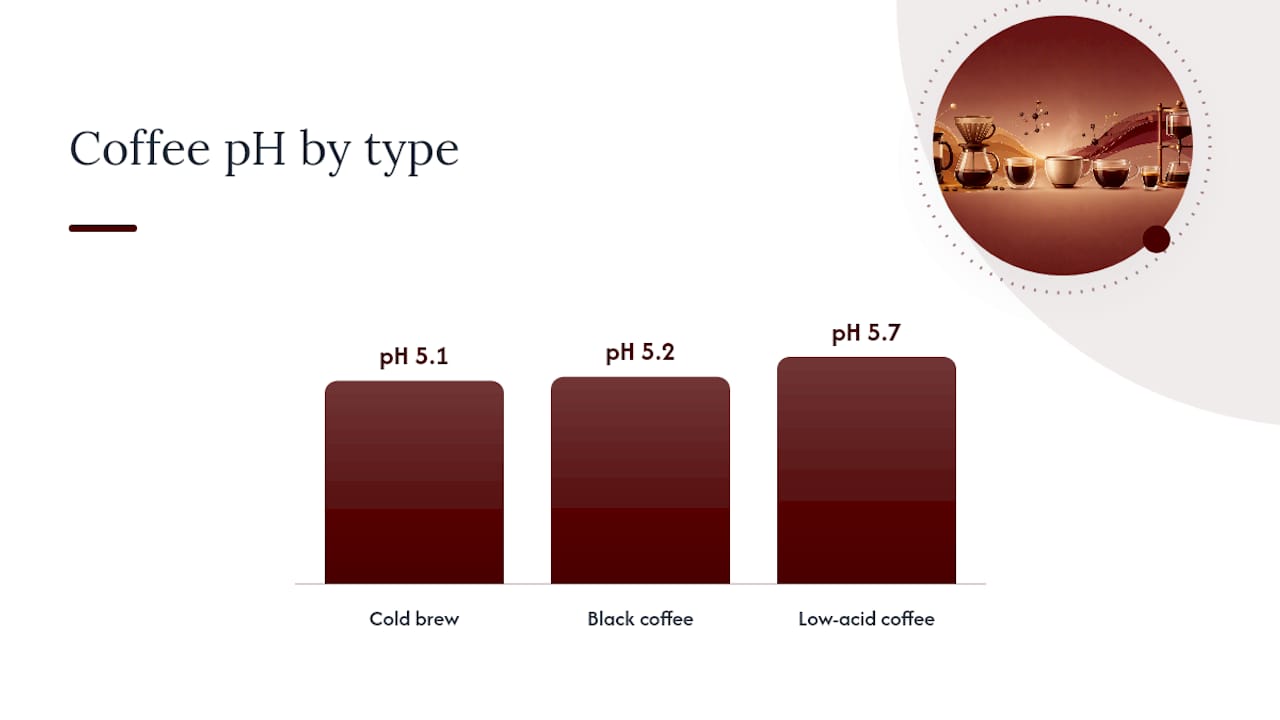
Clinician guidance backs up that caution. Dietitians at Banner Health point out that pH differences between coffee types are often small: black coffee typically sits around pH 5.2, low-acid varieties around 5.7, and cold brew closer to 5.1. That’s not a dramatic swing, and it suggests acidity alone rarely explains why someone’s stomach reacts badly to coffee. Caffeine, oil content, and even coffee’s own effect on stomach emptying can matter just as much.
Here’s where the evidence gets messy: some studies measure acidity with lab pH probes under controlled conditions, while others are observational, just asking people how they feel after switching brands. Those two approaches don’t always agree, and neither fully answers the question of who benefits and why. Cleveland Clinic’s guidance reflects that uncertainty by focusing on practical adjustments (roast, brew method, eating with your coffee) rather than promising acidity reduction alone will fix reflux. Treat any bold claim about low-acid coffee “curing” digestive issues with real skepticism. The honest read: it might help a subset of people, and one controlled trial found it didn’t move the needle at all.
What Might Actually Improve if You Switch
Even without a guaranteed cure, plenty of drinkers report real changes after switching to a gentler cup. Some of these have decent mechanistic backing. Others are anecdotal but consistent enough to take seriously.
- Less immediate stomach irritation: lower titratable acidity may reduce the initial burn some people feel right after drinking coffee, even without changing long-term reflux frequency.
- Slightly lower enamel erosion risk: dental guidance on acidic beverages notes that frequent exposure to acid wears on enamel over time, so a less acidic cup, combined with rinsing your mouth with water afterward, is a reasonable precaution.
- Fewer perceived jitters: this one is usually about caffeine and roast, not acidity. Dark roasts have slightly less caffeine than light roasts by volume, and that’s a separate lever from acid content entirely.
- Better palatability: a smoother, less sharp cup is just easier to drink for people with sensitive palates, independent of any digestive effect.
Pro Tip: Don’t lump caffeine and acidity together when you’re troubleshooting. If jitters are your main complaint, try a decaf or half-caf switch before assuming it’s about acid at all. Our decaf versus regular breakdown walks through what actually changes when you drop the caffeine.
Where Low-Acid Coffee Falls Short
Low-acid coffee is not a treatment for GERD, gastric ulcers, or gastritis. If you have a diagnosed condition, switching beans is a comfort adjustment, not medical care. Caffeine itself can relax the esophageal sphincter and trigger symptoms regardless of how acidic the coffee is, and other compounds in coffee (oils, certain acids beyond the ones roasting reduces) can still bother a sensitive gut.
Watch for signs that go beyond garden-variety discomfort:
- Unintended weight loss
- Vomiting blood or material that looks like coffee grounds
- Black or tarry stools
- Progressive difficulty swallowing
Any of these warrants a call to your doctor, not a coffee swap. If caffeine itself seems to be the trigger, trying decaf for a stretch is a reasonable next step before ruling out coffee altogether.
How to Build a Lower-Acid Cup and Test If It Helps
- Pick a dark roast first. It’s the single change with the clearest chemistry behind it, since roasting itself breaks down acidic compounds.
- Choose a low-altitude origin. Beans from Brazil, Sumatra, or India tend to run gentler than high-grown beans from regions like Ethiopia or Colombia.
- Brew cold instead of hot. Cold brew has measured at roughly 67% of the titratable acidity of hot drip coffee made from identical beans, one of the largest single levers available.
- Use a paper filter. It catches some oils and compounds that unfiltered methods leave in the cup.
- Add milk or cream. Dairy buffers acid somewhat and can take the edge off for sensitive drinkers.
- Never drink on an empty stomach. Food gives your gut a physical buffer that often reduces irritation more than any bean choice does.
Pro Tip: Change one variable at a time for seven to fourteen days, and keep a simple log: time of day, amount, whether you ate first, and what you felt afterward. That log will tell you more about your actual trigger than any product label ever will.
Why I’d Try the Trial Before the Marketing Claims
Most people reach for a “low-acid” label expecting a fix, and get frustrated when symptoms don’t budge. That’s not a failure of willpower. It’s because acidity is only one variable in a system that also involves caffeine, meal timing, and individual gut sensitivity. Some brands roast and ship coffee that is third-party tested for contaminants, which matters because contamination, not just acidity, can be an overlooked source of stomach discomfort for sensitive drinkers. The honest move is to run your own short trial and actually track it, rather than trusting a bag’s marketing copy to make the decision for you.
— Jett
Try a Lower-Acid Cup Without Overcommitting
Some coffee sellers offer flexible purchasing options, so you can try different roasts, origins, and formats on your own terms without commitment.
If you’re running the trial protocol above, start with a dark roast instant coffee for a fast, no-brewing-equipment way to test tolerance, or try the instant coffee with mushroom if you want a lower-intensity caffeine profile alongside the acidity change. Keep your symptom diary running for the full two weeks before you draw any conclusions. Order a bag, log how you feel, and let the trial, not the label, tell you what actually works for your gut.
Sources
- Nutritionfacts
- Is low acid coffee better for a sensitive stomach? — Banner Health
- Does coffee cause acid reflux? — Cleveland Clinic
- Low Acid Coffee: Best Varieties for Sensitive Stomachs — Coffee Studies
This article is general information, not a substitute for advice from a qualified doctor. Consult a qualified healthcare professional about your own circumstances before acting on anything here.