

“Espresso roast” describes a roaster’s intended profile for pulling espresso shots, not a fixed degree of roasting. It can land anywhere from medium to dark depending on the roaster’s goals, and it usually chases thicker body, rounder sweetness, and tamed acidity so the coffee holds up under fast, pressurized brewing. Grind size, dose, and your machine still decide how the final cup actually tastes.
TL;DR:
- Longer development times in roasting increase solubility and body, producing a thicker, fuller mouthfeel and subdued acidity suitable for espresso.
- Roast level shapes flavor and chemistry, with darker roasts emphasizing chocolate and caramel, while medium roasts retain more origin fruit and floral notes.
- “Espresso roast” describes an intended application, not a fixed roast degree; it can be medium or dark depending on the roaster’s style.
- Brewing adjustments such as grind size and extraction time are more influential than roast label when making espresso at home.
- Any well-roasted coffee can be used to make espresso, regardless of label, if grind and technique are properly calibrated.
Table of Contents
- What Roasters Change to Build an Espresso Profile
- How Roast Level Shapes Body, Crema, and Acidity
- Espresso Roast vs. Dark Roast vs. Filter Roast
- Brewing Espresso Roast at Home (and Beyond the Machine)
- How Espritkaffe Approaches Roast Selection
- Choosing Your Roast: The Editor’s Take
- Try Different Espresso Roast Styles Without Guessing
- Sources
- FAQ
What Roasters Change to Build an Espresso Profile
An espresso roast is built, not labeled after the fact. Roasters make specific decisions on the roast curve that separate a coffee meant for espresso from one meant for a pour-over filter.
The biggest lever is development time, the stretch of roasting between first crack and the drop. Roasters typically extend that phase and sometimes finish at a slightly higher drop temperature to push solubility and body higher, which is a deliberate move documented in modern roasting practice. Longer development drives deeper Maillard reactions, the browning chemistry that builds melanoidins, the compounds responsible for caramelized sweetness and a fuller mouthfeel. It also tempers the sharper, more citric acids that dominate lighter roasts.
Behind the scenes, roasters are watching rate of rise, airflow, and drop temperature closely to avoid scorching or tipping the beans while pushing them toward that target, an internal balancing act that keeps daily batches consistent.
On the bag, a few clues tell you a coffee was tuned this way:
- Tasting notes that mention chocolate, caramel, or nuts rather than florals or citrus
- An explicit “espresso roast” or “espresso blend” label from the roaster
- A suggested rest period before brewing, often a week or more after the roast date
Pro Tip: If a bag lists no rest guidance, give it several days off the roast date before pulling shots. Fresh-roasted espresso often chokes shots with excess crema and uneven flow because trapped CO2 hasn’t settled.
How Roast Level Shapes Body, Crema, and Acidity
Roast degree changes the chemistry of the bean, and that chemistry shows up directly in the cup. Longer development and higher heat exposure increase soluble solids and melanoidins, which is why darker, longer-developed profiles feel thicker and heavier on the tongue than a light roast pulled the same way.
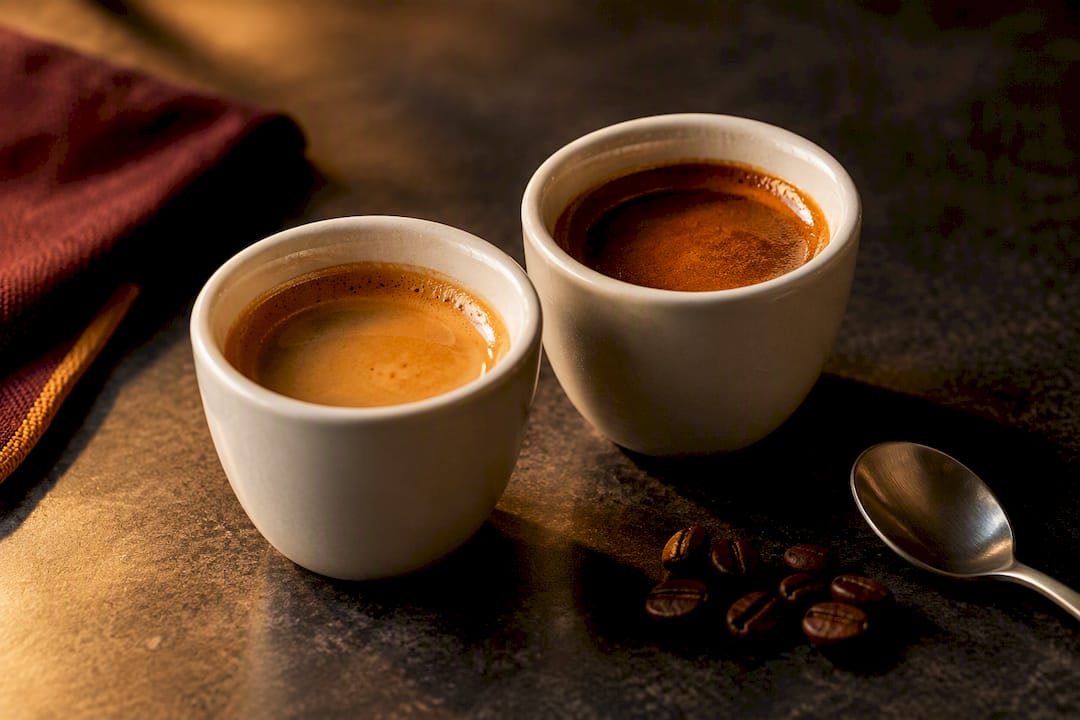
Acidity moves the opposite direction. Medium profiles tend to hold onto more of the origin’s fruit or floral character, a pattern sensory researchers confirmed when testing specialty Arabica across three roast levels under espresso extraction. That same study found darker roasts clustered around roast-driven descriptors like chocolate and toast instead, with less variance between coffees.
Crema depends on roast, freshness, and oil content together. Freshly roasted coffee with higher CO2 content typically produces thicker, longer-lasting crema, though crema thickness alone doesn’t indicate quality or flavor.
A few points worth separating clearly:
- Body is mouthfeel, driven by solubles and oils, not by caffeine content
- Strength, in the “punch you in the face” sense, is about flavor concentration and extraction, not roast color
- Caffeine stays roughly stable across roast levels, so a dark roast isn’t giving you more of a jolt than a medium one
A well-built espresso roast aims for a specific balance: acidity that’s present but not sharp, real sweetness, and a mouthfeel substantial enough to carry through milk, a target most espresso-focused roasters design toward deliberately.
Espresso Roast vs. Dark Roast vs. Filter Roast
These three terms get used interchangeably online, and that’s where most of the confusion about “espresso roast meaning” starts. They describe three different things entirely.
- Espresso roast describes intended application. It’s a roaster’s answer to “how should this coffee perform under short, pressurized extraction?” and it can be medium or dark depending on their house style.
- Dark roast describes roast degree. It’s a point on the roast curve, measured by color and development, with no built-in connection to any particular brew method.
- Filter roast describes a curve optimized for longer, gravity-driven extraction, usually with shorter development to preserve brighter acidity and origin character.
The overlap trips people up. A medium espresso roast is a real, common thing, especially among specialty roasters chasing origin clarity in the shot. Meanwhile, some filter roasts run darker than certain espresso roasts, depending entirely on the roaster’s house style rather than any fixed rule.
Use this as a quick heuristic: if a roaster leans medium, they’re usually chasing origin character and expect you to drink it straight. If they lean dark, they’re usually building a roast meant to cut through milk or deliver a traditional, Italian-style espresso profile. Neither approach is more “correct.” They’re built for different cups. For a deeper breakdown of how these curves diverge technically, Espritkaffe’s comparison of espresso and filter roasting walks through the mechanics.
Brewing Espresso Roast at Home (and Beyond the Machine)
Start with a moderate dose for a double shot, targeting a balanced coffee to liquid ratio, pulled in a typical espresso shot duration.
- Dial in the grind first. Roast-forward, darker beans often need a slightly coarser grind than lighter ones to avoid over-extracting bitterness.
- Adjust for the roast, not just the recipe. If shots taste bitter or harsh, grind coarser or pull the shot shorter before changing the dose.
- Adapting to drip or pour-over? Go coarser still, closer to kosher salt, and stretch the brew time to 3 to 4 minutes with a 1:15 to 1:16 ratio.
- Moka pot users sit in between: medium-fine grind, moderate heat, and watch for the telltale gurgle that signals extraction is finishing.
Let beans rest several days after roasting before pulling shots. Fresher coffee often causes fast, uneven flow from excess gas.
Pro Tip: Sour, thin shots almost always mean under extraction. Grind finer or extend time. Harsh, ashy bitterness usually means over extraction. Grind coarser or pull the shot shorter.
You don’t strictly need a coffee labeled “espresso roast” to pull a good shot. Bag labels are a helpful shortcut, not a hard requirement, and plenty of medium roasts built for filter brewing pull perfectly enjoyable espresso once you adjust grind and time.
How Espritkaffe Approaches Roast Selection
Some coffee roasters promote the idea that roast level should match what you’re actually going to drink, not a generic default. That’s the same logic behind treating “espresso roast” as an intended profile rather than a one-size label.
A few internal guides go deeper on the pieces covered here:
- Espresso roast vs filter roast, for the technical curve differences
- Espresso beans vs coffee, which clears up a related terminology mix-up
- Coffee roast levels explained, a full flavor breakdown by roast degree
- Choosing beans as a beginner, for anyone starting with medium roast Arabica
Choosing Your Roast: The Editor’s Take
If you drink straight shots and care about origin flavor, go medium. If milk is involved, go darker. That’s the whole decision tree, and most people overthink it. The sensory research backs this up: medium profiles preserve fruit and floral notes that milk would drown out anyway, so a dark roast in a latte isn’t waste, it’s the right tool.
Try a sample pack before committing to a bag. Your palate will tell you more in a week than any roast description will. And no matter what the bag says, grind and extraction time still decide more of your cup than the roast label ever will.
— Jett
Try Different Espresso Roast Styles Without Guessing
Espritkaffe roasts each batch by profile, not by mass-market default, so you’re not stuck guessing whether a bag labeled “espresso roast” will actually suit how you drink your coffee. Coffee and merch is available starting at $15.00 for coffee and $19.99 for merch, letting you test a medium profile against a darker one without committing to a full bag of either.
If you want to compare roast styles over time rather than guessing from a single bag, the Members Club Subscription rotates curated roasts to your door on a schedule. For a faster way to taste the medium versus dark difference discussed above, start with the Single Origin Favorites Sample Pack and pull a few shots side by side this week.
Sources
For deeper technical grounding, see the sensory study on Italian espresso across three roasting profiles and Italian Food Tech’s overview of roast profiles and espresso extraction, both useful for readers who want the roasting mechanics behind the flavor claims above.
- What Is an Espresso Roast? Espresso vs Dark Roast Explained – Espresso Outlet LLC
- Espresso Roast in Modern Coffee Roasting - YamiPak Coffee
- Sensory profile of Italian Espresso brewed Arabica Specialty Coffee under three roasting profiles
- Tasting Table — expert notes on roast choice
- Do You Need Espresso Roast for Home Espresso? — ShardorLife blog
FAQ
What Is the Difference Between an Espresso Roast and a Regular Roast?
Espresso roast refers to a coffee developed specifically for pressurized, short extraction, usually with extended development time and more body. A “regular” or filter roast is developed for longer gravity brewing and typically keeps more of its original brightness, since roast curve dictates extraction behavior far more than any single label does.
Is Espresso Roast Stronger Than Regular Coffee?
Not in caffeine terms. Caffeine content stays fairly stable across roast levels, so a dark espresso roast isn’t more caffeinated than a lighter one brewed the same way. What changes is flavor concentration and mouthfeel, which is why espresso tastes more intense per sip even though a full cup of drip coffee often contains more total caffeine.
Can You Use Espresso Roast As Regular Coffee?
Yes. Espresso roast beans work fine in drip machines, pour-over, or a moka pot once you adjust to a coarser grind and longer brew time. The label signals what the roaster optimized for, not a restriction on how you’re allowed to brew it.
What Roast Level Is Best for Espresso?
It depends on what you’re drinking. Straight shots often taste best from medium roasts that preserve origin character, while milk-based drinks usually hold up better against darker, more roast-forward profiles, a distinction borne out by expert tasting comparisons. Espritkaffe roasts across that full range so you can match the bean to the drink rather than settling for a single default.
Do I Need Beans Labeled “Espresso Roast” To Make Espresso?
No. Any well-roasted coffee can go through an espresso machine if your grind and extraction time are dialed in correctly. The “espresso roast” label just tells you the roaster already tuned that coffee to perform predictably under pressure, saving you some of the dial-in guesswork.