

A coffee assorted pack is a curated collection of diverse coffee blends designed to deliver a broad tasting experience, typically structured around different origins, roast levels, or brewing formats. For enthusiasts who want to move beyond a single bag of beans, these packs offer something genuinely different: the ability to compare, contrast, and develop a sharper palate in a single sitting. Think of it the way wine lovers approach a flight or the way olive oil tasters work through regional varieties. A coffee assortment is not just convenience. It is a structured tasting education. Brands like Equator Coffees and Ceres Gourmet have built entire product lines around this idea, and the format keeps growing because it works.
1. What a coffee assorted pack actually contains
The term “coffee assorted” covers a wide range of product structures. Some packs are built around geographic origin, grouping single-origin coffees from Ethiopia, Colombia, and Sumatra into one box. Others focus on roast level, moving from light to dark across five or six samples. Still others are organized by brewing format, pairing whole beans, ground coffee, and single-serve pods in one set.
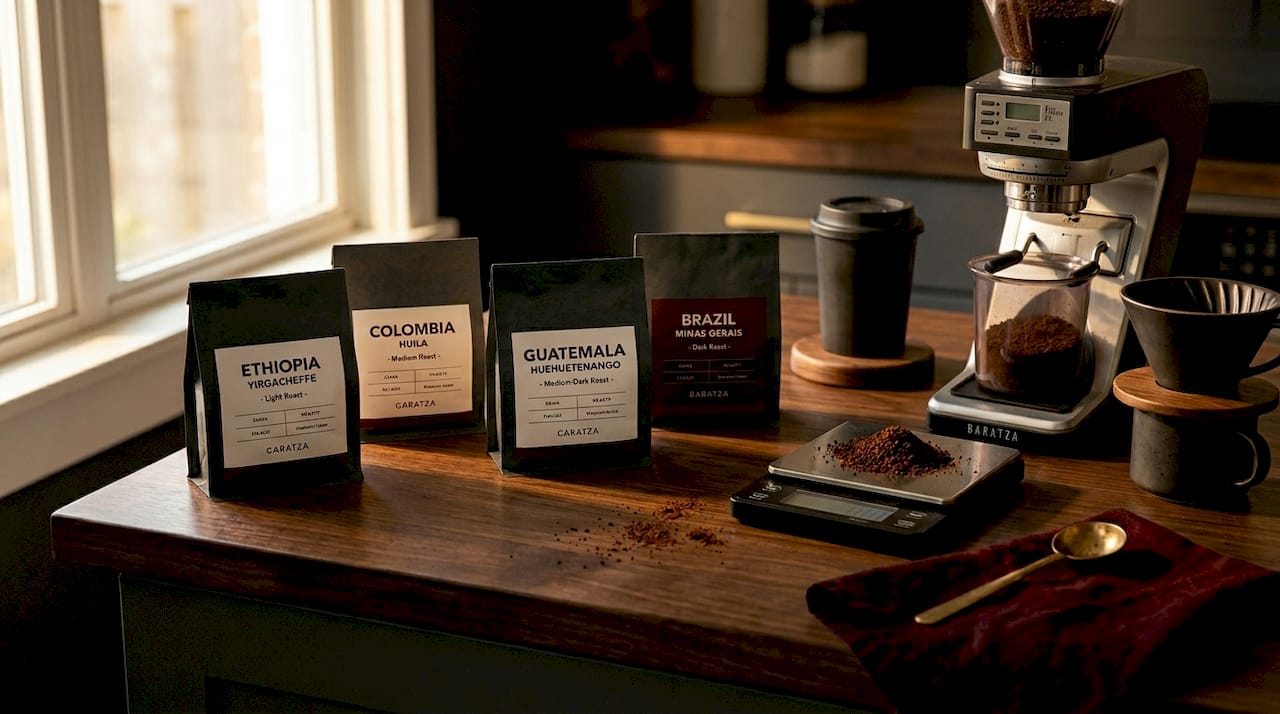
Coffee assortments structured around brewing formats are especially useful for enthusiasts who own multiple brewing devices. A pack that includes espresso-ground coffee, a coarse grind for French press, and a medium grind for pour-over lets you test the same origin across three extraction styles. That comparison alone teaches more about flavor than reading any description on a bag.
2. Top types of coffee assortment formats
Not all variety coffee packs are built the same. Here is a breakdown of the most common formats and what each one offers.
| Format | Best for | Convenience | Flavor range |
|---|---|---|---|
| Instant stick variety packs | Travel, office, quick tasting | Very high | Moderate to wide |
| Whole bean sampler boxes | Home brewers with grinders | Low to moderate | Very wide |
| Ground coffee sampler boxes | Drip and pour-over users | Moderate | Wide |
| Single-serve pod assortments | Capsule machine owners | Very high | Moderate |
| Flavored coffee sample packs | Casual drinkers, gifting | High | Specialty flavors |
Instant stick packs are the most accessible entry point. Ceres Gourmet’s Instant International Coffee Variety Pack includes 30 single-serve sticks across 6 exotic flavors, all compatible with hot or cold water. That format removes brewing variables entirely, which makes it ideal for pure flavor comparison without equipment concerns.
Whole bean sampler boxes sit at the opposite end of the spectrum. They demand a grinder, a brewing device, and some technique. The reward is a far wider flavor range and the ability to dial in each coffee to your exact preference. For serious enthusiasts, this is the format that builds real skill.
Pro Tip: When trying a new coffee sampler box, brew each variety using the same method and the same ratio before experimenting with adjustments. Consistency first, then creativity.
3. How to taste assorted coffee blends like a pro
Tasting a gourmet coffee variety pack well requires a repeatable process. Random sipping produces random impressions. A structured approach produces data you can actually use.
Coffee flights work exactly like beer or wine flights: curated small servings designed for multi-coffee comparison in one session. The format forces you to slow down and notice differences you would otherwise miss.
Follow this sequence for each coffee in your assortment:
- Smell before you sip. Aroma carries roughly 70 to 80 percent of perceived flavor. Inhale slowly over the cup before touching it to your lips.
- Take a small first sip and hold it. Let the coffee coat your entire palate before swallowing. Note the first impression: bright, flat, sweet, bitter, or earthy.
- Evaluate body. Is the mouthfeel thin and tea-like, or thick and syrupy? Body tells you a lot about roast level and origin.
- Track the finish. A long, clean finish usually signals high-quality beans. A short or harsh finish points to over-extraction or lower-grade coffee.
- Cleanse your palate. Drink a small amount of room-temperature water between each coffee. This resets your taste receptors and prevents flavor carryover.
- Write it down. Use a coffee aroma wheel or Tim Ridley’s structured worksheets from The Coffee Tasting Handbook to record your impressions with precise vocabulary.
A structured tasting framework that applies the same questions across every sample, covering bitterness level, flavor build, and aftertaste, turns random tastings into meaningful sensory data. After three or four sessions with the same framework, patterns emerge and your preferences become clear.
Pro Tip: Taste your assortment in the morning before eating. Your palate is cleanest then, and you will detect subtle notes that disappear after a meal.
4. Brewing techniques and grind considerations for assorted blends
Grind size is the single most controllable variable in coffee brewing, and it matters more across an assortment than it does with a single coffee you know well. Each variety in a mixed coffee flavors pack may need a slightly different approach.
The principal rule is straightforward: match grind size to filter type and brew contact time. Metal filters, like those in a French press or AeroPress, allow fine particles through, so coarser grinds prevent over-extraction and muddy mouthfeel. Paper filters trap fines, so a slightly finer grind extracts more cleanly.
Here are the standard starting points for common brewing methods:
| Brew method | Grind size | Coffee-to-water ratio |
|---|---|---|
| Pour-over | Medium-fine | 1:16 to 1:17 |
| French press | Coarse | 1:14 to 1:16 |
| Espresso | Fine | 1:2 |
| Cold brew | Extra coarse | 1:5 (concentrate) |
| AeroPress | Medium | 1:12 to 1:15 |
These method-specific ratios are starting points, not fixed rules. Dial in from there based on taste.
Freshness adds another layer of complexity. Fresh beans release CO2 during brewing, which can cause perceived sourness in the cup. Beans roasted within the past two to three weeks need a coarser grind to compensate for that CO2-driven effect on extraction. Older beans, by contrast, have off-gassed and need a finer grind to extract adequately. When you open a new coffee in your assortment, check the roast date and adjust accordingly.
Pro Tip: If a coffee in your sampler tastes unexpectedly sour and it was roasted recently, go one grind setting coarser before assuming the coffee itself is the problem.
5. How to choose the right coffee assorted pack for you
Selecting the best coffee selection for your needs comes down to four factors: flavor preference, brewing equipment, occasion, and budget.
Flavor preference is the most personal factor. If you gravitate toward bright, fruit-forward cups, look for assortments featuring East African origins like Ethiopia or Kenya. If you prefer rich, chocolatey, or nutty profiles, Latin American origins from Colombia, Brazil, or Guatemala are more reliable. Flavored coffee sample packs, which include options like hazelnut, vanilla, or caramel, suit casual drinkers and make strong gifts.
Brewing equipment determines which format you can actually use. A capsule machine owner gets no value from a whole bean sampler. Before buying, confirm the pack format matches your setup. Espritkaffe’s single-serve coffee capsules are a practical option for capsule machine users who want variety without committing to a full bag of any single roast.
Occasion shapes the decision between personal exploration and gifting. For personal tasting, prioritize packs with clear origin or roast level labeling so you can learn from each cup. For gifting, flavored assortments or visually packaged coffee gift sets tend to land better because they require no prior knowledge from the recipient.
Budget and quantity are the final filters. Larger sampler boxes offer better per-serving value but commit you to more of each variety. Smaller packs cost more per serving but let you test more options without waste. For enthusiasts who want to explore niche territory, mushroom coffee blends have entered the assortment market and offer a genuinely different flavor and functional profile worth trying at least once.
Key takeaways
A coffee assortment delivers the most value when you pair each variety with the correct grind size, brewing method, and a structured tasting process.
| Point | Details |
|---|---|
| Format determines learning | Choose whole bean samplers for skill-building, instant packs for pure flavor comparison. |
| Grind size is critical | Match grind to filter type and brew contact time for every variety in the pack. |
| Freshness affects extraction | Beans roasted within 2 to 3 weeks need a coarser grind to offset CO2 release. |
| Structure your tastings | Apply the same questions across every sample to build consistent palate data. |
| Match pack to occasion | Personal exploration favors origin-labeled boxes; gifting favors flavored or visually packaged sets. |
Why I think most people underuse their coffee sampler boxes
Most enthusiasts open a sampler box, brew each coffee once with whatever method they normally use, and form a quick opinion. That approach wastes most of what the pack offers. The real value of a coffee assortment is comparative, and comparison only works when the variables are controlled.
I have found that the single biggest shift in getting more from a sampler is committing to one brewing method for the entire box before switching. Brew every variety as a pour-over first. Then, if something stands out, brew it again as a French press. The contrast between those two results tells you more about that coffee than any tasting note on the packaging.
The freshness variable is the one most people ignore entirely. I have had coffees in assortment packs that tasted flat or sour, and my first instinct was to blame the coffee. In most cases, adjusting the grind by one setting in either direction fixed the problem. A sensory decision loop, where you ask the same questions about bitterness, body, and finish across every cup, turns that kind of troubleshooting into a habit rather than a guess.
The other underrated tool is a tasting partner. Tasting with someone else forces you to articulate what you are experiencing, and that articulation builds vocabulary faster than solo tasting ever will. Try a wine tasting approach adapted for coffee: describe color, aroma, body, and finish in sequence, out loud, before comparing notes. It feels awkward the first time and becomes indispensable by the third.
Start with a flavored sample pack if you are new to structured tasting. The flavor markers are easier to identify and give you reference points for more subtle single-origin work later.
— Jett
Explore Espritkaffe’s curated coffee assortments
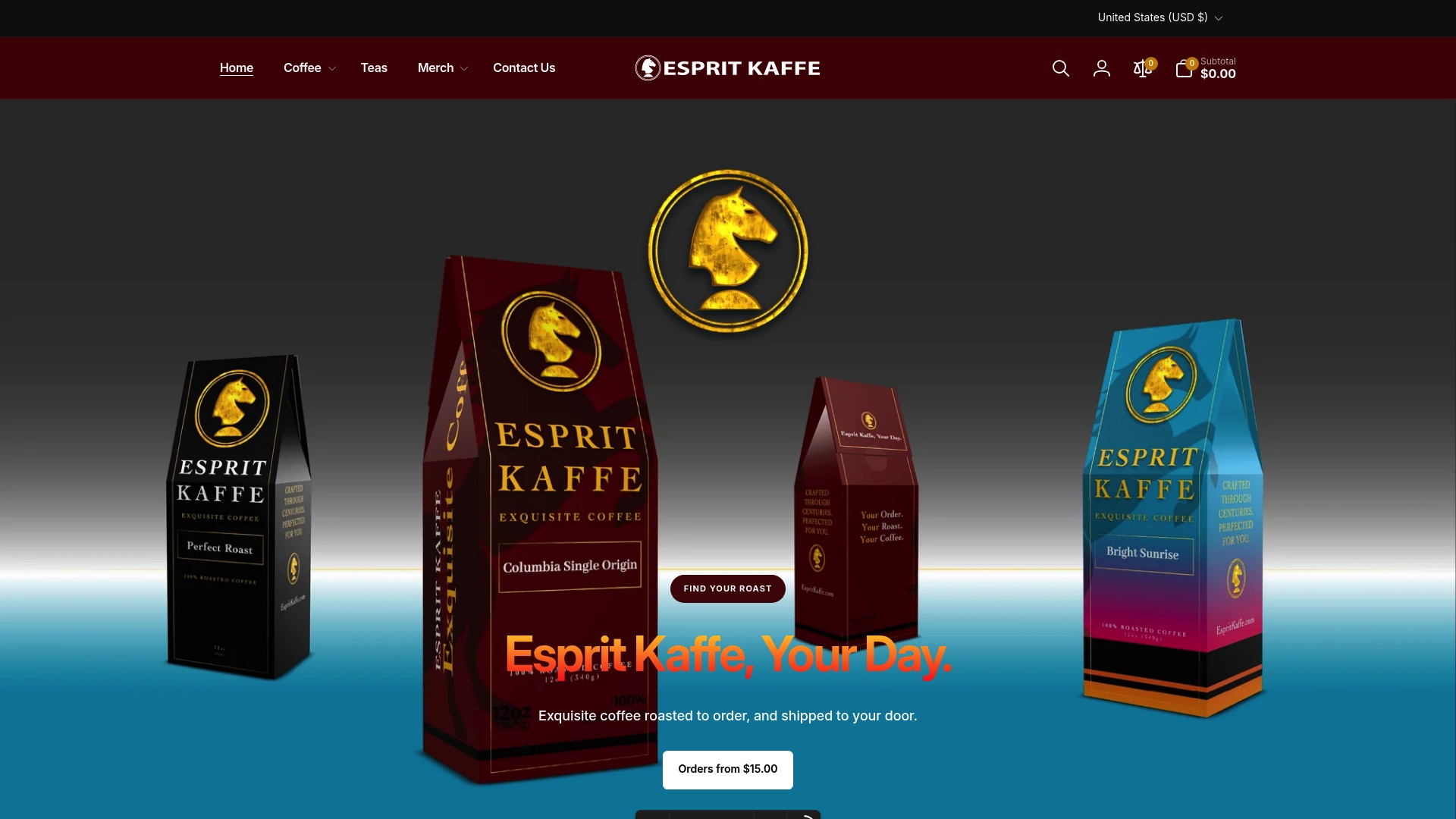
Espritkaffe builds coffee for people who want clarity in the cup, not just caffeine. The range includes single-serve capsule packs for enthusiasts who want variety without the grinder commitment, and instant mushroom coffee for those ready to explore functional blends that go beyond the standard roast profile. If cold brew is your method, Espritkaffe’s cold brew option is dialed in for the extra-coarse grind and extended steep that the method demands. Every product comes with roast and origin detail so your tasting sessions start with real information, not guesswork.
FAQ
What is a coffee assorted pack?
A coffee assorted pack is a curated set of different coffee varieties, organized by origin, roast level, or brewing format, designed to let you taste and compare multiple coffees in one purchase.
How many coffees should a good sampler box include?
A useful coffee sampler box contains at least four to six distinct varieties. Fewer than four limits meaningful comparison; more than ten can overwhelm a new taster before patterns emerge.
Can I use instant coffee sticks for serious tasting?
Yes. Instant variety packs like the Ceres Gourmet 6-flavor set remove brewing variables entirely, which makes them effective for isolating flavor differences between origins or blends without equipment interference.
How do I adjust my grind for different coffees in an assortment?
Check the roast date first. Fresh beans within 2 to 3 weeks need a coarser grind to offset CO2 release; older beans need a finer grind to extract adequately. Start with the standard ratio for your brew method and adjust from there.
Are coffee assorted packs good gifts?
Flavored coffee gift sets and visually packaged assortments make strong gifts because they require no prior knowledge from the recipient. For a coffee enthusiast, origin-labeled sampler boxes that include tasting notes are a more meaningful choice.