

Minnesota’s specialty coffee scene is defined by roasters who combine fresh, small-batch roasting with genuine community ties. The best coffee roaster Minnesota has to offer goes beyond a good cup. It sources with intention, roasts with consistency, and serves a community, not just a market. Declining alcohol consumption has pushed more Minnesotans toward specialty coffee, and independent roasters have responded by sharpening their focus on quality and local engagement.
1. What makes a great coffee roaster in Minnesota?
The best Minnesota coffee roasters share three non-negotiable traits: fresh roasting, consistent flavor profiles, and community-based sourcing. Freshness means beans roasted to order or within days of purchase, not sitting in a warehouse for months. Consistency means your bag of medium roast tastes the same in january as it does in july. Community sourcing means the roaster knows where its beans come from and often supports local cafes, restaurants, and neighborhoods.
Specialty coffee demand in Minnesota has grown as consumers shift away from mass-market brands. That shift rewards roasters who specialize rather than generalize. The roasters on this list earned their place through quality, reputation, and a clear sense of who they serve.
2. Pool Six Coffee Roasters
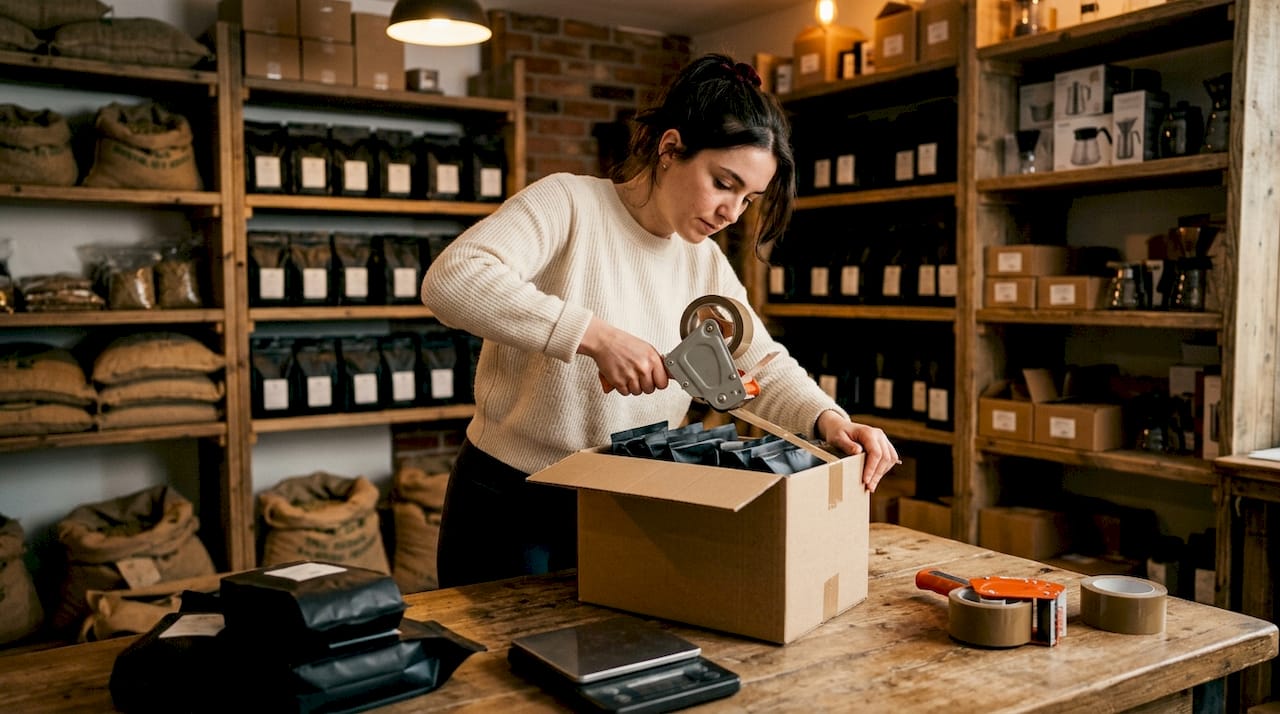
Pool Six operates as a wholesale-only roaster, supplying cafes and businesses across Minnesota and Wisconsin. That model is a deliberate choice. By skipping retail, Pool Six avoids competing with its own wholesale customers and keeps pricing fair for everyone in the supply chain.
- Model: Wholesale-only, serving cafes, restaurants, and institutions
- Scale: Large-volume roasting with smaller 5-pound orders available for individuals and churches
- Focus: Fair pricing, quality consistency, and strong regional relationships
- Reach: Minnesota and Wisconsin within two years of launch
Pro Tip: If you run a small café or restaurant, wholesale-only roasters like Pool Six often offer better pricing and more consistent supply than retail-focused operations.
3. Spyhouse Coffee Roasters
Spyhouse is the benchmark for espresso consistency in Minneapolis. Its Orion espresso blend is cited by home-barista.com users as the standard against which other Minneapolis espresso blends are measured. That kind of peer recognition carries more weight than any award.
- Signature product: Orion espresso blend
- Model: Retail cafes and direct-to-consumer sales
- Reputation: Built through home-brewing community forums, not marketing campaigns
- Focus: Espresso consistency and repeatable flavor profiles
Spyhouse proves that community reputation among serious home brewers is the most reliable quality signal in the Minnesota specialty coffee market.
4. Small-batch roasters across Minnesota
Most Minnesota roasters operate small-batch, in-house roasting with offerings that include organic, single-origin, and fair trade blends. Many also provide subscription services, local café sales, and online shipping. That variety means you can find a roaster that fits your exact preference, whether you want a light Ethiopian single-origin or a dark, full-bodied blend.
- Product types: Organic, single-origin, fair trade, and house blends
- Purchasing options: Subscriptions, local café availability, and direct online orders
- Roasting style: In-house, small-batch for freshness and quality control
- Shipping: Many ship statewide and nationally
Small-batch roasting gives Minnesota coffee companies a quality advantage over large commercial brands. Smaller batches mean tighter temperature control, more consistent development, and fresher beans at the point of sale.
5. How roasting scale affects your coffee
The scale at which a roaster operates directly shapes what you get in the bag. Wholesale-focused roasters prioritize batch consistency and volume. Retail-focused roasters often experiment more with single-origin offerings and limited releases. Neither approach is better. They serve different needs.
Minnesota roasters balance large wholesale orders with smaller individual requests, adapting to diverse customer needs without sacrificing quality. A roaster that serves both a 200-seat restaurant and a home brewer ordering 5 pounds has figured out how to manage quality across very different volumes. That flexibility is a sign of operational maturity.
Pro Tip: If you brew at home, look for roasters that offer 5-pound or smaller direct orders. Many wholesale-focused roasters accommodate individual buyers at competitive prices.
The key difference between roasting scales comes down to three factors:
- Batch size: Larger batches require more precise heat management to avoid uneven roasting
- Turnaround time: Smaller operations often roast to order, meaning fresher beans for you
- Product range: Smaller roasters tend to rotate single-origins more frequently
6. Why consistency matters more than hype
Consistency is the most valued trait among premium Minnesota roasters, particularly within the home-brewing community. A roaster that wins a competition but delivers uneven bags month to month is not worth your loyalty. A roaster that produces the same excellent cup every single time is.
Home-brewing forums hold more weight than mainstream media when judging roaster quality. Peer reviews from people who pull shots daily and dial in grind settings obsessively are a far more reliable signal than a glossy magazine feature. When a roaster earns consistent praise on platforms like home-barista.com, that reputation reflects real, repeatable quality.
7. Community sourcing and why it builds loyalty
Community-focused sourcing is a key differentiator for Minnesota roasters competing in a crowded market. Sourcing locally or supporting local cafes creates traceability and economic loyalty that mass-market brands cannot replicate. When your roaster supplies the café down the street and the restaurant around the corner, you are part of a connected local economy.
| Quality feature | Community sourcing benefit |
|---|---|
| Consistent flavor profiles | Builds repeat customer trust |
| Ethical sourcing standards | Supports traceable supply chains |
| Fresh roasting cycles | Reduces time from roast to cup |
| Local café partnerships | Strengthens neighborhood economies |
| Transparent pricing | Rewards loyal wholesale customers |
Roasters that prioritize community engagement tend to maintain higher quality standards because their reputation depends on local relationships, not anonymous online reviews.
8. Roasters offering organic and fair trade options
Organic and fair trade certifications matter to a growing segment of Minnesota coffee enthusiasts. These certifications signal that the roaster has made a commitment beyond taste. Organic means no synthetic pesticides in the growing process. Fair trade means farmers received a fair price for their labor.
Many Minnesota coffee roasting companies carry both certifications across at least part of their product line. If ethical sourcing is a priority for you, look for roasters that list their certifications clearly on their packaging or website. Vague language like “responsibly sourced” without a named certification is a red flag.
9. Subscription and direct-order options
Subscriptions are the most convenient way to access fresh local coffee consistently. Many Minnesota specialty coffee roasters offer weekly, biweekly, or monthly subscription plans that ship directly to your door. Some allow you to customize roast level, grind size, and bean origin with each order.
Direct orders from a roaster’s website often beat café retail prices for the same beans. You also get fresher coffee because the roaster ships shortly after roasting rather than letting bags sit on a shelf. For home brewers who go through coffee quickly, a direct subscription from a local Minnesota roaster is the most cost-effective and freshest option available.
Pro Tip: Look for roasters that list a “roasted on” date rather than a “best by” date. Roasted-on dating tells you exactly how fresh your coffee is.
10. How to choose the right Minnesota roaster for you
Choosing a local roaster comes down to four factors: roasting style, purchasing access, flavor preference, and sourcing values. Start by identifying whether you prefer light, medium, or dark roasts. Then check whether the roaster sells direct, through subscriptions, or only through cafes.
Purchasing channels to look for:
- Direct online orders from the roaster’s website
- Subscription plans with customizable frequency and roast level
- Local café availability if you prefer to buy in person
- Wholesale access for restaurants, offices, or high-volume home brewers
Competitive pricing is a feature of Minnesota’s craft coffee market. Roasters here focus on quality without unreasonable retail markups. That means you can often get genuinely excellent coffee at prices that make sense for regular buying. Avoid chasing award-winning limited releases if you want a reliable daily driver. Consistency beats novelty for everyday brewing.
For home brewers exploring artisan coffee options, understanding what separates a craft roaster from a commercial one makes every purchase more intentional.
Key Takeaways
Minnesota’s best local roasters earn loyalty through consistent quality and community engagement, not marketing awards or limited-release hype.
| Point | Details |
|---|---|
| Consistency over hype | Choose roasters with peer-reviewed reputations, not just competition wins. |
| Scale matters for access | Wholesale roasters often serve individuals too, at better prices. |
| Community sourcing builds trust | Local partnerships create traceable, fresher supply chains. |
| Subscriptions maximize freshness | Direct roaster subscriptions deliver fresher beans than café retail. |
| Certifications signal commitment | Look for named organic or fair trade certifications, not vague claims. |
Minnesota’s specialty coffee scene is growing fast
I have watched the Minnesota specialty coffee market shift noticeably over the past several years. The roasters gaining real traction are not the ones with the flashiest branding. They are the ones who figured out their lane early and stayed in it.
The wholesale-only model, for example, looks limiting on the surface. But it is actually a sign of discipline. A roaster that refuses to compete with its own café customers has thought carefully about relationships and long-term reputation. That kind of thinking produces better coffee and better business.
What surprises most people is how much the home-brewing community drives quality standards here. Forums and peer reviews shape which roasters thrive far more than local press coverage does. If a roaster’s Orion blend gets talked about on home-barista.com for years, that is a more meaningful signal than a feature in a city magazine.
My honest advice: ignore the noise around limited releases and competition medals. Find a Minnesota roaster whose everyday offering tastes exactly the same bag after bag. That consistency is the hardest thing to achieve and the most valuable thing you can buy. For home brewers curious about custom roast orders, the local Minnesota market offers more options than most people realize.
— Jett
Espritkaffe’s take on craft coffee done differently
Minnesota coffee enthusiasts who want something genuinely distinct from the standard local roaster lineup should know what Espritkaffe brings to the table.
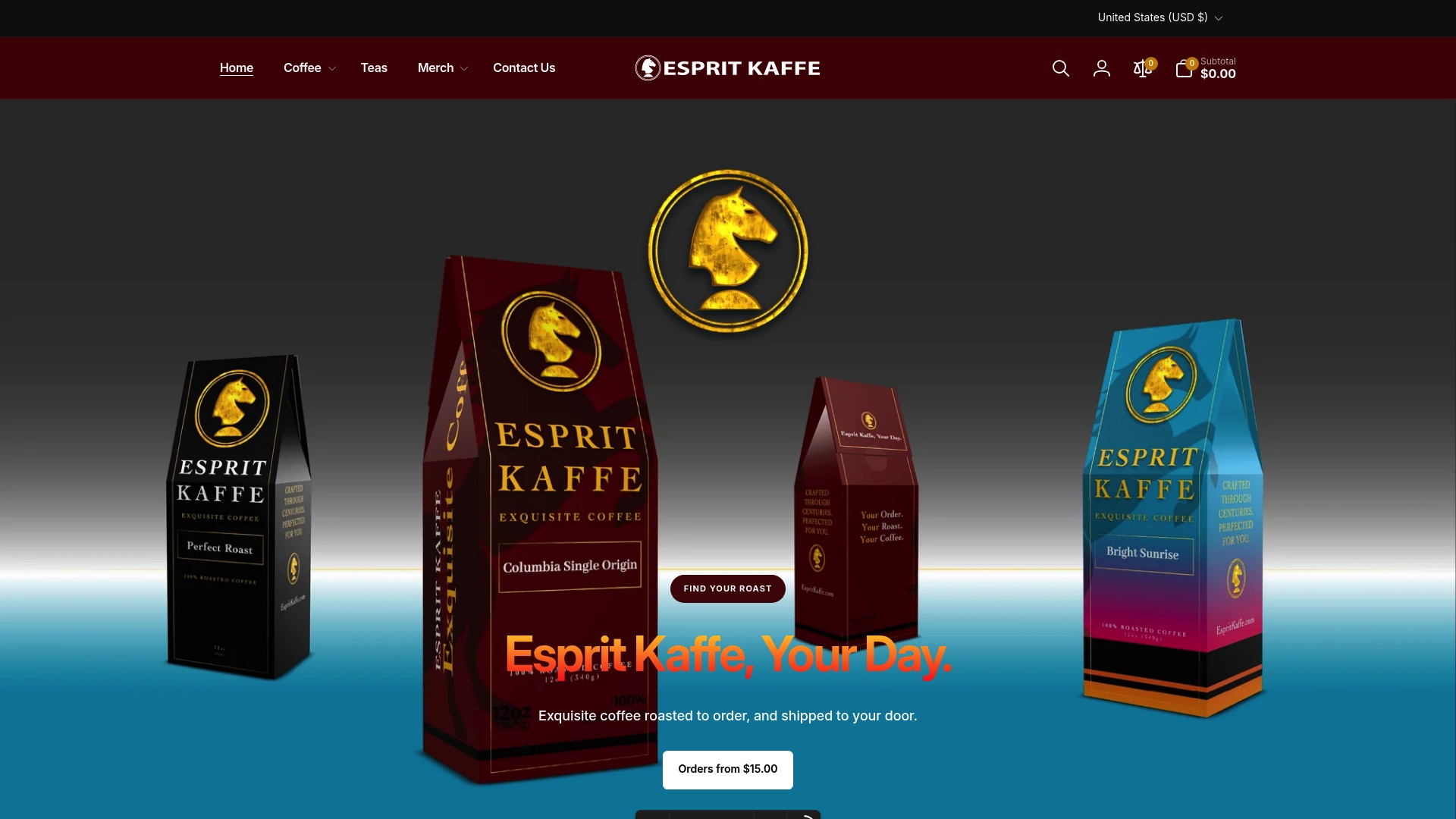
Espritkaffe’s mushroom coffee medium roast combines specialty-grade beans with functional mushroom extracts, producing a cup that is smooth, grounded, and built for clarity. For those who want a darker profile, the dark roast mushroom coffee delivers a richer, bolder experience with the same functional benefits. These are not novelty products. They are roasted for people who take their morning ritual seriously and want their coffee to do more than taste good. Espritkaffe ships direct, so freshness is never a question.
FAQ
What is a specialty coffee roaster?
A specialty coffee roaster sources high-grade green beans, typically scoring 80 or above on the Specialty Coffee Association scale, and roasts them in small batches to develop specific flavor profiles.
How do I find a local coffee roaster in Minnesota?
Search for roasters that sell direct online, offer subscriptions, or supply local cafes in your area. Directories like smallcoffeeroasters.com list Minnesota-based operations by region.
Are wholesale coffee roasters in Minnesota available to individuals?
Many wholesale-focused Minnesota roasters accept individual orders, often starting at 5 pounds. Contact the roaster directly to ask about minimum order sizes and pricing.
Why does consistency matter when choosing a Minnesota coffee roaster?
Consistency means your coffee tastes the same every time you order. Home-brewing communities treat consistent flavor profiles as the primary quality signal, more reliable than awards or marketing.
What purchasing options do Minnesota coffee roasters typically offer?
Most offer direct online orders, subscriptions, and local café sales. Some wholesale roasters also supply offices, restaurants, and churches with flexible order volumes.