

The parasympathetic nervous system (PSNS) is your body’s built-in brake. While the sympathetic system accelerates your heart rate, sharpens your senses, and floods your bloodstream with cortisol during stress, the PSNS does the opposite: it slows things down, redirects energy toward digestion and repair, and signals that the threat has passed. Physiologists call this the rest and digest response, and it runs continuously in the background of daily life, not just when you lie down to sleep.
Core effects you can feel or measure when the PSNS is active:
- Heart rate slows and blood pressure drops
- Breathing deepens and slows
- Saliva production increases
- Digestion speeds up, including gastric secretion and intestinal movement
- Pupils constrict
- Bladder and bowel readiness increases
A quick memory anchor for the full list is the SSLUDD mnemonic: Sexual arousal, Salivation, Lacrimation, Urination, Digestion, Defecation. These are the core parasympathetic effects the system coordinates.
Pro Tip: To feel parasympathetic activation in real time, try slow abdominal breathing for 60–90 seconds: inhale for 4 counts, exhale for 6. Most people notice a measurable drop in heart rate within the first minute.
Key Takeaways
The parasympathetic nervous system is the body’s primary rest and recovery system, and its vagus nerve pathway is the most practical target for behavioral interventions that produce measurable autonomic shifts.
| Point | Details |
|---|---|
| PSNS is always active | It runs continuously, not just during sleep, conserving energy and maintaining internal stability. |
| Vagus nerve is the main pathway | Cranial nerve X carries roughly 75% of parasympathetic output and is the target of breathing techniques. |
| HRV reflects vagal tone | Higher resting HRV indicates stronger parasympathetic influence on the heart and better recovery capacity. |
| Breathing works fast | Slow exhalation (4-count in, 6–8-count out) produces measurable heart rate drops within 60–90 seconds. |
| Seek care for red flags | Syncope, persistent GI dysfunction, or HR consistently outside 40–100 bpm warrants clinical autonomic evaluation. |
Pro Tip: Right now, take 6 slow breaths at a 4-in, 6-out count. Check your pulse before and after. That two-minute test is the fastest way to feel the parasympathetic system working in real time.
Table of Contents
- What does the parasympathetic nervous system do for rest and recovery?
- How the vagus nerve carries parasympathetic signals through your body
- How parasympathetic activation changes your physiology at the cellular level
- How the parasympathetic and sympathetic systems work together
- How to tell when your parasympathetic system is active
- When parasympathetic dysfunction becomes a clinical problem
- Evidence-based ways to actively support your parasympathetic system
- What the research actually shows about vagal tone and long-term health
- When to seek professional evaluation
- A perspective on building rest into a life that demands performance
- Start your morning ritual with Espritkaffe
- Sources
What does the parasympathetic nervous system do for rest and recovery?
The autonomic nervous system (ANS) governs all the body functions you never consciously control: heart rate, digestion, glandular secretion, blood pressure. It has two divisions. The sympathetic nervous system (SNS) mobilizes the body for action. The parasympathetic nervous system conserves and restores energy, running life-sustaining background processes that the SNS would otherwise suppress.
The PSNS is not a passive system that only kicks in when you fall asleep. According to Cleveland Clinic, it operates continuously, maintaining internal stability across all waking and sleeping states. Think of it as a persistent governor that prevents the SNS from running at full throttle indefinitely.
The everyday outcomes of healthy PSNS engagement are concrete:
- Sleep quality: Lower resting heart rate and reduced cortisol levels at night are direct markers of parasympathetic dominance during sleep
- Digestion: Gastric acid secretion, bile release, and intestinal motility all increase under PSNS influence
- Blood pressure regulation: Parasympathetic tone at the sinoatrial node keeps resting heart rate in a healthy range, which directly affects cardiovascular load
- Metabolic recovery: The PSNS supports glycogen synthesis and nutrient absorption after meals, making it central to energy storage, not just relaxation
Regular engagement of the PSNS matters beyond the immediate calm it produces. Verywell Health notes that parasympathetic activity typically predominates in quiet conditions, meaning a lifestyle that includes genuine downtime gives the system the time it needs to do its restorative work. Chronic sympathetic overactivation, with no parasympathetic counterbalance, is associated with elevated inflammatory markers and cardiovascular strain over time.
How the vagus nerve carries parasympathetic signals through your body
Parasympathetic fibers originate in two places: the brainstem and the sacral spinal cord (S2–S4). The brainstem nuclei, including the dorsal motor nucleus of the vagus and the nucleus ambiguus, give rise to cranial nerves III, VII, IX, and X. Of these, cranial nerve X, the vagus nerve, carries roughly 75% of all parasympathetic output in the body. That single fact explains why so many practical techniques target vagal tone specifically.
The vagus nerve descends from the brainstem through the neck, chest, and abdomen, branching to reach:
- Heart: Slows the sinoatrial node, reducing heart rate
- Lungs: Promotes bronchoconstriction and mucus secretion
- Esophagus and stomach: Stimulates peristalsis and gastric acid release
- Small and large intestine: Increases motility and digestive enzyme secretion
- Liver and pancreas: Supports bile production and insulin release
- Bladder: Promotes urination readiness
Sacral parasympathetic fibers (S2–S4) handle the lower pelvic organs: the descending colon, rectum, bladder, and reproductive organs. These fibers synapse in ganglia located close to or within the target organs themselves, which is why parasympathetic effects tend to be localized and precise rather than the body-wide flood you get from sympathetic activation.
Pro Tip: The vagus nerve runs close to the surface on both sides of the neck. Gentle, slow exhalation activates the pulmonary stretch receptors that feed back through vagal afferents, producing a measurable heart rate deceleration within seconds. You do not need any equipment to test this.

How parasympathetic activation changes your physiology at the cellular level
The primary neurotransmitter of the parasympathetic nervous system is acetylcholine (ACh). When a parasympathetic nerve fires, it releases ACh at the synapse, where it binds to muscarinic receptors on target organ cells. Different muscarinic receptor subtypes (M1 through M5) produce different downstream effects depending on the organ, but the general result is the same: reduced excitability, increased secretion, and enhanced smooth muscle activity in the gut.
At the sinoatrial node in the heart, ACh binding slows the rate of spontaneous depolarization. Heart rate drops. This is the most immediately measurable parasympathetic effect and the basis for heart rate variability (HRV) as a proxy for vagal tone.
In the lungs, parasympathetic activation causes bronchoconstriction and increases mucus secretion. In the GI tract, ACh drives peristalsis, stimulates gastric acid and enzyme release, and relaxes the sphincters that would otherwise hold digestion back. The net result is efficient nutrient breakdown and absorption.
Metabolically, parasympathetic activity supports glycogen synthesis in the liver and promotes insulin release from the pancreas, shifting the body toward energy storage rather than energy mobilization. This is the metabolic counterpart to the SNS’s glucose-releasing, fat-burning stress response.
There is also a growing body of research linking vagal tone to inflammation regulation. The vagus nerve carries anti-inflammatory signals through what researchers call the cholinergic anti-inflammatory pathway, where ACh release in the spleen suppresses pro-inflammatory cytokine production. The evidence here is mechanistically sound, though most human studies remain preliminary and the clinical applications are still being worked out.
How the parasympathetic and sympathetic systems work together
The two divisions of the autonomic nervous system are not enemies. They are a coordinated pair, and Harvard Health describes the PSNS as a brake to the SNS’s gas pedal. Neither system is simply “on” or “off” at any given moment. Instead, their relative tone shifts continuously based on internal and external demands.
Sympathetic vs. parasympathetic: a quick contrast
| Body system | Sympathetic response | Parasympathetic response |
|---|---|---|
| Heart rate | Increases | Decreases |
| Pupils | Dilate | Constrict |
| Digestion | Slows or halts | Speeds up |
| Bronchi | Dilate (more airflow) | Constrict slightly |
| Blood vessels | Constrict (raises BP) | Dilate in some regions |
| Salivation | Decreases | Increases |
| Bladder | Relaxes (holds urine) | Contracts (promotes urination) |
Real-life patterns show how this plays out. During a hard run, the SNS dominates: heart rate climbs, digestion pauses, and blood is shunted to working muscles. The moment you stop and sit down, the PSNS begins reasserting itself. Heart rate starts falling within seconds. Digestion resumes. Blood pressure drops toward baseline. That recovery arc is parasympathetic activity doing exactly what it is designed to do.
Chronic stress disrupts this balance. When the SNS stays elevated for days or weeks without adequate PSNS recovery time, resting heart rate creeps up, digestion becomes erratic, and sleep quality degrades. The PSNS never gets enough runway to complete its restorative work.
Pro Tip: After intense exercise, lying down and doing 10 slow breaths (5-second inhale, 7-second exhale) accelerates the parasympathetic rebound. Your heart rate will drop measurably faster than passive rest alone.
How to tell when your parasympathetic system is active
Observable signs of parasympathetic activation are reliable enough that clinicians use several of them as diagnostic markers:
- Resting heart rate in the 50–70 bpm range (lower end suggests good vagal tone)
- Slow, diaphragmatic breathing at rest
- Increased salivation
- Active bowel sounds after meals
- Pupil constriction in normal lighting
- Feeling of calm, reduced muscle tension
Heart rate variability (HRV) is the most validated noninvasive proxy for parasympathetic and vagal tone. HRV measures the variation in time between consecutive heartbeats. Higher HRV generally reflects stronger vagal influence on the sinoatrial node, meaning the PSNS is actively modulating heart rhythm. Consumer devices like Garmin, Apple Watch, and Whoop now track HRV continuously, though clinical-grade interpretation requires more than a single daily reading.
Simple home proxies are useful for orientation, not diagnosis:
- Breathing response test: Take 6 slow breaths per minute for 2 minutes. A measurable drop in heart rate (5+ bpm) suggests reasonable vagal responsiveness.
- Post-meal observation: Feeling relaxed and slightly drowsy 20–30 minutes after a moderate meal is a normal parasympathetic response to digestion.
- Morning resting HR trend: Tracking resting heart rate over weeks reveals baseline autonomic tone shifts more reliably than any single measurement.
Pro Tip: Track your HRV first thing in the morning, before getting out of bed, for at least 7 consecutive days before drawing any conclusions. Single-day readings are too noisy to be meaningful.
A safety note: if you notice a sudden, unexplained drop in resting heart rate below 40 bpm, or if you feel faint during breathing exercises, stop and consult a clinician before continuing self-testing.
When parasympathetic dysfunction becomes a clinical problem
Parasympathetic dysfunction does not always announce itself dramatically. Clinical literature on autonomic dysfunction describes a range of presentations, from subtle to severe, and the symptoms often overlap with other conditions, which is why formal autonomic testing matters.
Common signs that the PSNS may not be functioning normally:
- Orthostatic intolerance: Dizziness or lightheadedness when standing, caused by inadequate cardiovascular adjustment
- Gastroparesis-like symptoms: Bloating, nausea, early satiety, or slow gastric emptying without a structural cause
- Abnormal HRV patterns: Consistently low HRV with no improvement from rest or recovery practices
- Dry eyes or dry mouth without an obvious cause
- Bladder dysfunction: Urinary retention or urgency without infection
- Exercise intolerance disproportionate to fitness level
Clinicians evaluate autonomic function using several tools. The tilt-table test assesses cardiovascular responses to positional change and is the standard for diagnosing orthostatic hypotension and POTS (postural orthostatic tachycardia syndrome). Formal autonomic testing panels measure heart rate responses to deep breathing, Valsalva maneuver, and sustained handgrip. Specialized HRV analysis in a clinical setting provides frequency-domain data that separates parasympathetic from sympathetic contributions more precisely than consumer wearables.
Red flags that warrant prompt medical evaluation:
- Syncope (fainting) or near-syncope, especially recurrent
- Rapid, unexplained weight loss alongside GI symptoms
- Severe, persistent gastroparesis symptoms
- Resting heart rate consistently above 100 bpm or below 40 bpm without an athletic explanation
- Sudden onset of autonomic symptoms following a viral illness
Evidence-based ways to actively support your parasympathetic system
The good news: the PSNS responds to deliberate behavioral inputs, and several techniques have solid mechanistic backing. Harvard Health recommends calming rituals and paced breathing specifically to dampen the stress response and support parasympathetic recovery. The Hospital for Special Surgery similarly points to gentle movement and relaxation practices as reliable ways to access parasympathetic benefits.
Here is a prioritized, practical sequence:
- Slow abdominal breathing (immediate effect, seconds to minutes): Breathe in for 4 counts, out for 6–8. The extended exhale activates pulmonary stretch receptors and increases vagal outflow. This is the fastest reliable method to shift autonomic balance.
- Paced breathing at 5–6 breaths per minute (5–10 minutes): This rate maximizes respiratory sinus arrhythmia, the natural HRV oscillation driven by breathing, and produces the strongest acute vagal response measurable by HRV.
- Progressive muscle relaxation (10–20 minutes): Systematically tensing and releasing muscle groups reduces peripheral sympathetic tone and lowers cortisol. Effects build over sessions.
- Gentle movement: yoga, tai chi, or a 20-minute walk (20–45 minutes): These modalities combine rhythmic breathing with low-intensity movement, producing sustained parasympathetic engagement without triggering a significant SNS response.
- Mindfulness meditation (10–20 minutes daily): Regular practice shifts baseline HRV upward over weeks, suggesting a lasting improvement in resting vagal tone rather than just an acute effect.
- Sleep hygiene and meal timing: Consistent sleep and wake times stabilize circadian autonomic rhythms. Eating the largest meal at least 3 hours before bed prevents the SNS activation that heavy digestion can trigger during sleep.
Timeline for realistic expectations: Breathing techniques produce measurable heart rate changes within 60–90 seconds. Baseline HRV shifts from consistent practice typically require 4–8 weeks of daily engagement before they become statistically meaningful.
Safety notes: Strong vagal maneuvers (Valsalva, carotid sinus massage) are not appropriate for self-administration, particularly for anyone with a known cardiac arrhythmia, recent myocardial infarction, or carotid artery disease. Breath-holding techniques can cause vasovagal syncope in susceptible individuals. If any technique causes dizziness, chest discomfort, or visual changes, stop immediately.
Habit formation matters as much as technique selection. Ritualized anchors, a specific time of day, a consistent environment, a deliberate pre-practice behavior, make PSNS-activating practices far more likely to stick. A calm, intentional morning routine, including the preparation and first sip of a warm beverage, is a low-barrier anchor that many people find surprisingly effective at setting parasympathetic tone for the first hours of the day.

What the research actually shows about vagal tone and long-term health
The vagus nerve is the most studied target in autonomic neuroscience, and the evidence for its role in health outcomes is substantial, though not uniformly strong across all claims.
Where the evidence is solid:
- HRV as a noninvasive index of vagal tone is well-validated. Higher resting HRV is consistently associated with better cardiovascular outcomes in large observational studies.
- Paced breathing and mindfulness reliably increase acute HRV in controlled trials.
- StatPearls confirms the vagus nerve as the dominant parasympathetic pathway, making it the most practical target for behavioral interventions.
Where the evidence is promising but limited:
- The cholinergic anti-inflammatory pathway is mechanistically well-described in animal models, and early human data suggest vagal stimulation reduces inflammatory markers. But large-scale randomized trials in healthy humans are still limited.
- Metabolic effects of parasympathetic activation (glycogen synthesis, insulin sensitivity improvements) are supported by physiological studies, but isolating PSNS activity as the causal variable in humans is methodologically difficult.
Where gaps remain: The optimal dose and duration of breathing or mindfulness practice for lasting autonomic benefit has not been established. Most studies use short intervention windows (4–8 weeks) with small samples. Long-term follow-up data on behavioral PSNS interventions in healthy adults is sparse.
The practical takeaway from the research: the vagus nerve is a real, accessible target. Paced breathing and consistent mindfulness practice produce measurable, reproducible shifts in autonomic balance. The downstream health benefits, particularly for inflammation and metabolism, are biologically plausible and directionally supported, but should be framed as promising rather than proven.
When to seek professional evaluation
Self-care practices are appropriate when symptoms are mild, situational, and improve with rest and behavioral changes. Seek professional evaluation when they do not.
Symptoms that warrant prompt medical attention:
- Fainting or near-fainting, especially when standing
- Heart rate consistently outside the 40–100 bpm range at rest
- Persistent nausea, bloating, or inability to tolerate normal meals
- Severe fatigue that does not improve with sleep
- Bladder or bowel dysfunction with no identified cause
- Autonomic symptoms that began or worsened after a viral illness
Practical next steps if you suspect autonomic dysfunction:
- Start with your primary care physician. Describe symptoms in terms of timing, triggers, and what makes them better or worse.
- Request a referral to cardiology or neurology if initial workup is inconclusive. Autonomic specialists exist at most academic medical centers.
- Bring a symptom diary covering at least 2 weeks, including HR and HRV logs from any wearable device, a medication list, and notes on caffeine and alcohol intake.
- Ask specifically about autonomic function testing if your symptoms include orthostatic intolerance or unexplained GI dysfunction.
The clinical workup for autonomic dysfunction typically includes a tilt-table test, formal autonomic testing battery, and sometimes a skin biopsy to assess small fiber nerve density. Knowing what to expect reduces the barrier to seeking care.
A perspective on building rest into a life that demands performance
The most underappreciated insight from autonomic neuroscience is not about any single technique. It is about frequency. The PSNS does not benefit from one long meditation retreat per quarter. It benefits from repeated, brief, consistent activations woven into the structure of an ordinary day.
Most people treat rest as something that happens after performance. The physiology suggests the opposite framing: rest is what makes performance possible. A well-regulated autonomic nervous system, one with strong resting vagal tone and a PSNS that can reassert itself quickly after stress, recovers faster, thinks more clearly, and sustains output longer than one running on chronic sympathetic overdrive.
Where this connects to daily choices: caffeine timing, break structure, and morning rituals all influence autonomic balance in measurable ways. Understanding how caffeine timing affects focus and productivity is directly relevant here, since caffeine delays adenosine-driven sleep pressure and can blunt the parasympathetic recovery window if timed poorly. Similarly, understanding how adenosine and sleep pressure work gives you a clearer picture of why the evening hours matter so much for PSNS restoration.
Pick one technique from the practical list above and run it for two weeks. Track your morning resting heart rate. The change, if you are consistent, will be visible in the numbers.
Start your morning ritual with Espritkaffe
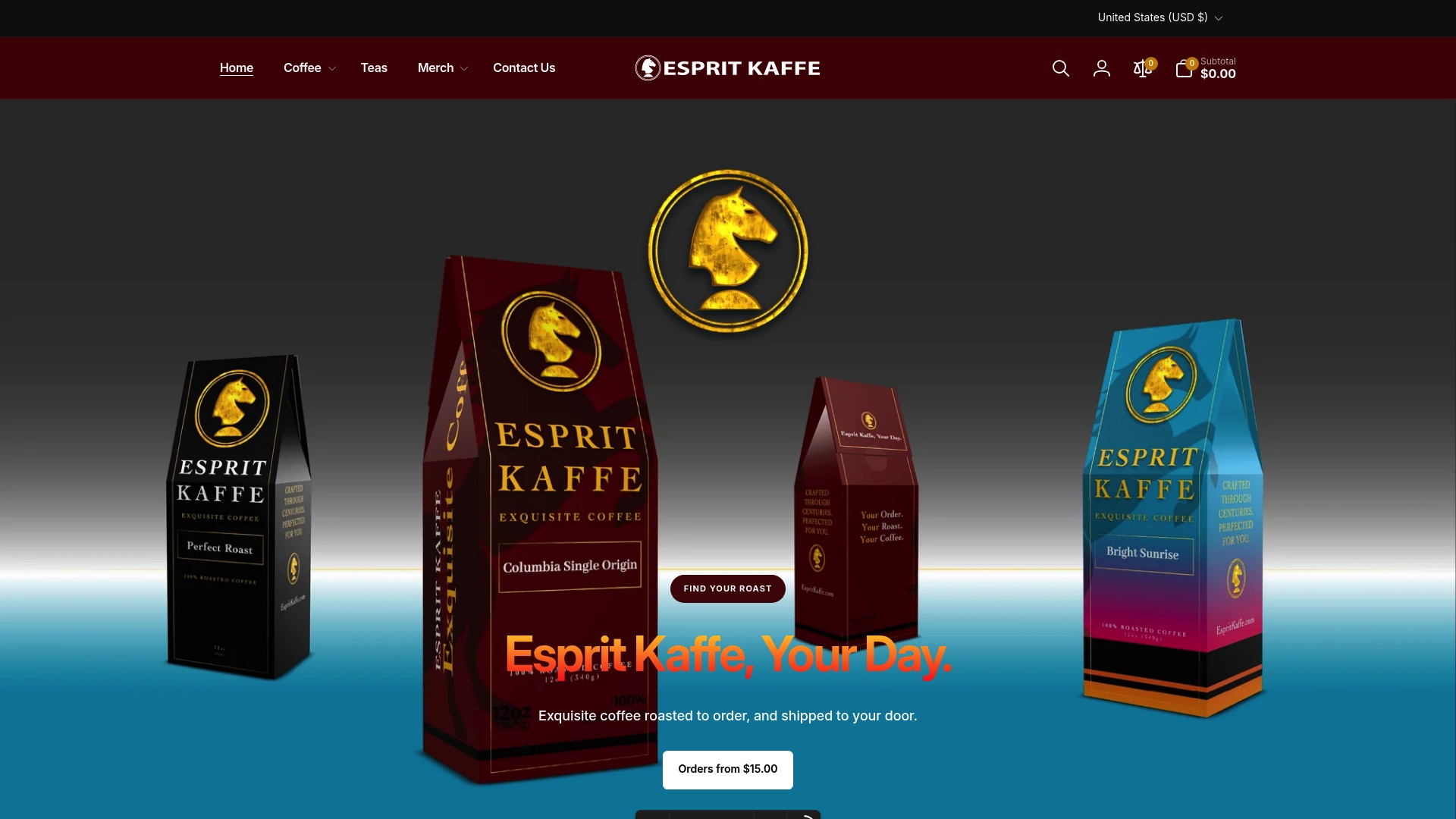
The science of parasympathetic rest points to one consistent finding: ritualized, calm behaviors in the morning set autonomic tone for hours. A deliberate first sip, taken without a screen and without urgency, is a small but real anchor for nervous system regulation.
Espritkaffe’s Instant Coffee with Mushroom and Coffee with Mushrooms Medium Roast are roasted and formulated for exactly this kind of intentional start: clean, certified free of mycotoxins and heavy metals, and built for people who treat their morning as a practice, not a rush. If convenience matters, the Instant Coffee delivers the same quality in under a minute.
Your nervous system responds to what you give it. Give it something worth responding to.
Sources
The following sources were used in preparing this article and are recommended for deeper reading:
- Parasympathetic Nervous System (PSNS): What It Is & Function
- Neuroanatomy, Parasympathetic Nervous System - StatPearls
- Understanding the stress response — Harvard Health
- Parasympathetic nervous system — Healthline
- Parasympathetic autonomic dysfunction — PMC article
- Parasympathetic Nervous System (PSNS) — Verywell Health
This article is general information, not a substitute for advice from a qualified doctor. Consult a qualified healthcare professional about your own circumstances before acting on anything here.