

Buy a freshly roasted whole-bean medium roast, grind it right before brewing, and follow one simple recipe for two weeks. That single change delivers more flavor improvement than any other move you can make. Here’s how to start in the next 30 minutes:
- Order a 250g medium roast from a roaster that prints the roast date on the bag (aim for beans roasted within the last 7–21 days).
- Pick one brew method — drip machine, AeroPress, or cold brew — and commit to it for two weeks before experimenting.
- Get a burr grinder or choose a roaster that offers a burr-ground option at checkout, then grind only what you need each morning.
Table of Contents
- Why does specialty coffee taste so different from instant?
- How to pick your first specialty beans online
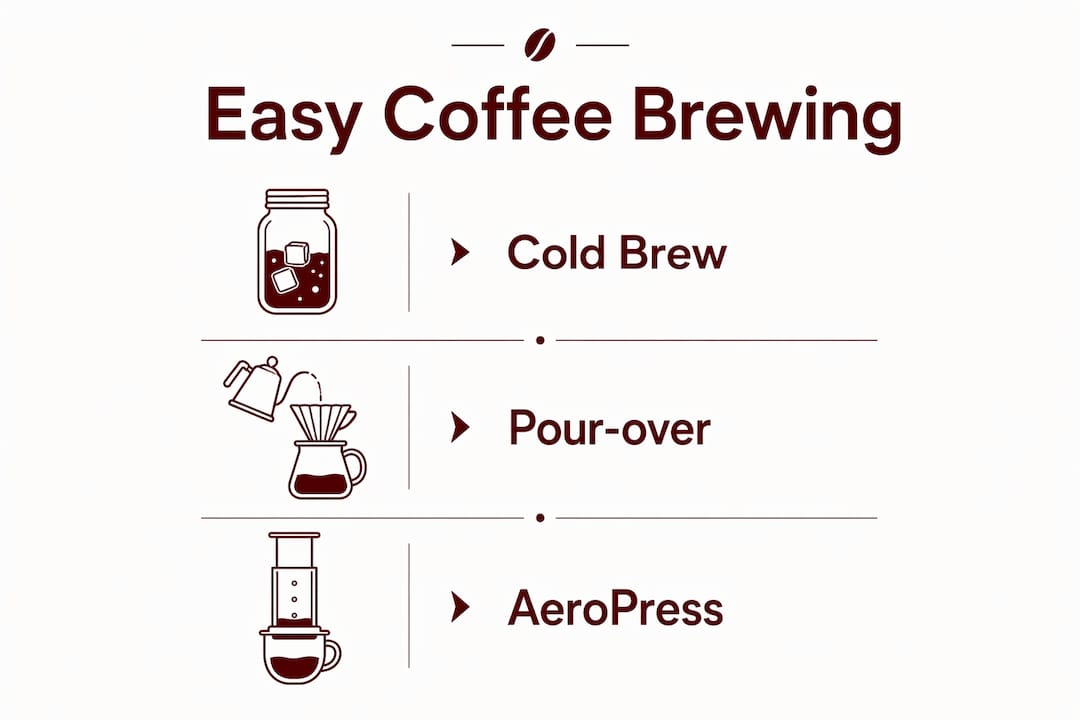
- Three simple brewing methods with starter recipes
- What grind and equipment actually matter
- How to taste coffee using the SCA Coffee Flavor Wheel
- A practical 2–6 week plan to build your specialty routine
- How to store whole beans and read roast dates
- Quick fixes for common first-week problems
- Key Takeaways
- Why the stepwise approach works better than diving in headlong
- Espritkaffe makes your first specialty purchase straightforward
- Useful sources
Why does specialty coffee taste so different from instant?
Instant coffee is made from pre-extracted, spray-dried solids. What you get in the cup is a fixed, shelf-stable flavor with most of the volatile aromatics already gone. Whole-bean specialty coffee is the opposite: the flavor is still locked inside the bean, released only when you grind and brew.
Three factors drive the difference:
- Bean quality and species. Most instant blends use Robusta, which is higher in caffeine but sharper and more bitter. Specialty coffee is typically 100% Arabica, which offers more nuanced sweetness and complexity.
- Roast date and freshness. Ground coffee loses its volatile aromatics within 15–30 minutes of grinding. Whole beans hold those compounds until you crack them open.
- Extraction method. Water temperature, grind size, and brew time all shape what ends up in your cup. Instant skips this entirely; specialty coffee rewards small adjustments with noticeably better results.
Expect your first specialty cup to taste brighter and more complex than instant. That’s not a flaw. Your palate just needs a few sessions to catch up.
How to pick your first specialty beans online
Start with a medium roast from Colombia or Guatemala, washed or honey-processed, as these origins are known for a balanced and approachable flavor profile suitable for many brew methods. They’re the safest first purchase you can make.
What to look for on the bag or product page:
- Roast date (visible, not just a “best by” date)
- Whole bean, not preground
- 100% Arabica
- Single origin with named country or region
- Processing method listed (washed, honey, or natural)
- Tasting notes (look for chocolate, caramel, citrus, or stone fruit)
- Roast level labeled as medium
Online shopping checklist:
- Roast date within 7–21 days of your order date
- Bag with a one-way degassing valve (keeps CO₂ out, freshness in)
- Clear origin and process information
- Package size of 250–500g for your first order
- Customer reviews that mention drip, pour-over, or regular home brewing
Pro Tip: Start with a 250g or sampler pack. You’ll spend less, stay fresher, and get to try a second origin sooner without wasting coffee.
One more thing worth checking: some roasters, including Espritkaffe, publish third-party testing results for mycotoxins and heavy metals. That kind of transparency is a real signal of quality control, not just marketing.

Three simple brewing methods with starter recipes
Pick one method and nail it. Chasing every brew style at once slows your progress and makes it harder to know what’s actually working.
1. Drip (automatic coffee maker)
- Use a ratio of 1:15 coffee to water (e.g., 20g coffee to 300g water).
- Grind medium — similar to coarse sand.
- Use water between 195°F and 205°F (most drip machines hit this automatically).
- Brew time: 4–6 minutes.
- Taste and adjust: too weak, use more coffee or grind finer; too bitter, grind coarser.
2. AeroPress
- Use 15g coffee to 200g water (1:13 ratio).
- Grind medium-fine — finer than drip, coarser than espresso.
- Water at 200°F. Add coffee, pour water, stir for 10 seconds.
- Press slowly over 30–40 seconds.
- Dilute with hot water to taste.
3. Cold brew
- Use a 1:8 ratio — 50g coffee to 400g cold water.
- Grind coarse, like raw sugar.
- Combine in a jar, stir, cover, and refrigerate for 12–18 hours.
- Strain through a paper filter or fine mesh. Serve over ice.
The same medium-roast Colombian bean works across all three methods. Cold brew will taste smoother and less acidic; AeroPress will be more concentrated and punchy; drip will land somewhere in between. Adjust your ratio by 1–2g at a time, not in big jumps.
What grind and equipment actually matter
The burr grinder is the single most valuable piece of equipment you can buy. Skip the espresso machine for now. A blade grinder chops beans unevenly, which means some particles over-extract (bitter) while others under-extract (sour) in the same cup. A burr grinder produces uniform particle size, which gives you consistent, repeatable results.
- Entry-level burr grinder ($30–$60): Timemore C2 or Hario Mini Mill. Manual, but effective for drip and AeroPress.
- Mid-range electric ($100–$150): Baratza Encore. Reliable, consistent, and a genuine long-term buy.
- What you can skip for now: gooseneck kettle (useful for pour-over, not required for drip), espresso machine, milk frother.
Other gear worth having:
- Kitchen scale (a $10 digital scale is fine)
- Basic thermometer, or a kettle with a temperature setting
- Paper filters matched to your brewer
Grinding immediately before brewing is one of the highest-impact habits at any equipment level. A $40 burr grinder plus fresh beans beats a $500 machine with preground coffee every time.
How to taste coffee using the SCA Coffee Flavor Wheel
The SCA Coffee Flavor Wheel organizes flavors into three concentric rings with nine primary categories and 95 distinct flavors. You don’t need to memorize it. Use it as a reference during tasting, not a test.
A 4-step tasting routine:
- Smell the dry grounds before brewing. Note the first word that comes to mind — earthy, sweet, floral?
- Sip slowly and let the coffee sit on your tongue for two seconds before swallowing.
- Note three things: acidity (bright or flat?), body (thin or thick?), and finish (does the flavor linger or disappear?).
- Pick 1–2 words from the outer ring of the flavor wheel that match what you tasted.
Common flavor words and where they come from: chocolate and caramel tend to show up in medium-roast Central American coffees; fruity and floral notes are more common in Ethiopian naturals; nutty and mild sweetness are typical of Brazilian washed beans. Processing method shapes this significantly — washed coffees read cleaner and brighter, while natural-process coffees bring more fruit-forward sweetness.
Side-by-side tasting sessions with the flavor wheel open accelerate palate training faster than any other method. Most people can reliably identify broad flavor categories after 20–30 short tasting sessions. Pair this with Espritkaffe’s sensory tasting guide for structured exercises.
A practical 2–6 week plan to build your specialty routine
Start medium roast, one brew method, and sample 2–3 bags across 2–6 weeks. That’s the whole plan.
| Week | Action | What to Focus On |
|---|---|---|
| 1 | Buy 250g medium roast Colombian or Guatemalan; set up your brewer and grinder | Follow the starter recipe exactly; don’t adjust yet |
| 2 | Taste daily with the flavor wheel; note one word per cup | Identify whether you want more sweetness, less acidity, or more body |
| 3–4 | Adjust grind size or ratio based on your notes; order a second 250g bag (same or nearby origin) | Try a honey-process version if you want more sweetness |
| 5–6 | Try a different origin or roast level (light or dark); consider a sampler pack | Compare side-by-side with your week-1 notes |
Smaller bags of 250–500g keep freshness manageable and let you rotate origins without waste. Budget roughly $15–$22 per 250g bag from a quality direct-to-consumer roaster. Equipment upgrades (better grinder, gooseneck kettle) make sense after week 4, once you know which brew method you’re sticking with.
How to store whole beans and read roast dates
Buy whole bean, use within 7–21 days of the roast date, and store in a cool, dark, airtight container at room temperature. Those three rules cover 90% of freshness management.
- Do: keep beans in the original valve bag until it’s empty; transfer to an airtight canister for anything you won’t finish in a week.
- Don’t: refrigerate or freeze beans you’re using daily — temperature swings cause condensation, which accelerates staling.
- Do: buy smaller bags if you brew one or two cups a day. A 500g bag lasts about two weeks for a single daily drinker, which is right at the edge of peak freshness.
Pro Tip: Beans roasted within the last 3–7 days are still degassing CO₂ and may taste slightly flat or uneven. The sweet spot for most brewing methods is days 7–14 post-roast.
One-way valve bags, common among quality roasters, let CO₂ escape without letting oxygen in. That packaging detail matters more than most buyers realize — it’s one reason freshly roasted beans from a good direct-to-consumer roaster outperform grocery-store bags that may have been sitting for months.
Quick fixes for common first-week problems
| Symptom | Likely Cause | Fix |
|---|---|---|
| Weak, watery | Grind too coarse or too little coffee | Grind finer by one step, or add 2g more coffee |
| Sour, sharp | Underextracted — water too cool or brew too short | Raise water temp to 200–205°F; extend brew time by 30 seconds |
| Bitter, harsh | Overextracted — grind too fine or water too hot | Grind coarser by one step; drop water temp by 5°F |
| Muddy, gritty | Filter issue or grind too fine for method | Check filter fit; coarsen grind slightly |
Water quality matters more than most beginners expect. Tap water with heavy chlorine taste will flatten even excellent beans. Filtered water (a basic Brita pitcher works) removes most of the interference. Target water temperature of 195–205°F for hot brew methods; anything below 190°F tends to underextract.
Key Takeaways
Starting with a medium-roast whole-bean Colombian or Guatemalan coffee, a burr grinder, and one consistent brew method gives beginners the fastest, most reliable path from instant to genuinely great specialty coffee.
| Point | Details |
|---|---|
| Start with medium roast | Colombian or Guatemalan medium roast is balanced, forgiving, and works across drip, AeroPress, and cold brew. |
| Freshness over gear | Beans roasted within 7–21 days, ground just before brewing, outperform expensive equipment with stale preground coffee. |
| One method, two weeks | Commit to one brew recipe for two weeks before switching; consistency builds palate faster than variety. |
| Use the SCA Flavor Wheel | The SCA Coffee Flavor Wheel’s 95 flavors across 9 categories give you a vocabulary to improve every future purchase. |
| Espritkaffe as your starting point | Espritkaffe offers freshly roasted whole-bean medium roasts with roast-date transparency and third-party mycotoxin and heavy-metal testing. |
Why the stepwise approach works better than diving in headlong
Most people who try specialty coffee and give up do so because they changed too many variables at once. New beans, new brewer, new grinder, new recipe, all in the same week. When the cup tastes off, there’s no way to know what went wrong.
The sequence in this guide is deliberate. Medium roast first because it sits in the middle of the flavor spectrum — less sharp than a light roast, less masking than a dark one. One brew method first because it gives you a controlled baseline. The SCA Flavor Wheel not as homework, but as a tool that converts vague impressions (“I don’t like this”) into specific, fixable feedback (“too acidic, probably underextracted”).
The specialty coffee market is growing fast, with consumers across multiple markets moving beyond instant toward home brewing and single-origin exploration. The habit sticks when the early cups are reliably good, not just occasionally impressive. That’s why Espritkaffe recommends this path: low gear spend, high feedback loop, and a clear upgrade track once your palate is ready for it.
Espritkaffe makes your first specialty purchase straightforward
Switching from instant to whole-bean specialty coffee is easier when the roaster does the transparency work for you. Espritkaffe ships freshly roasted whole-bean coffee with the roast date printed on every bag, so you know exactly where you stand on the freshness window.
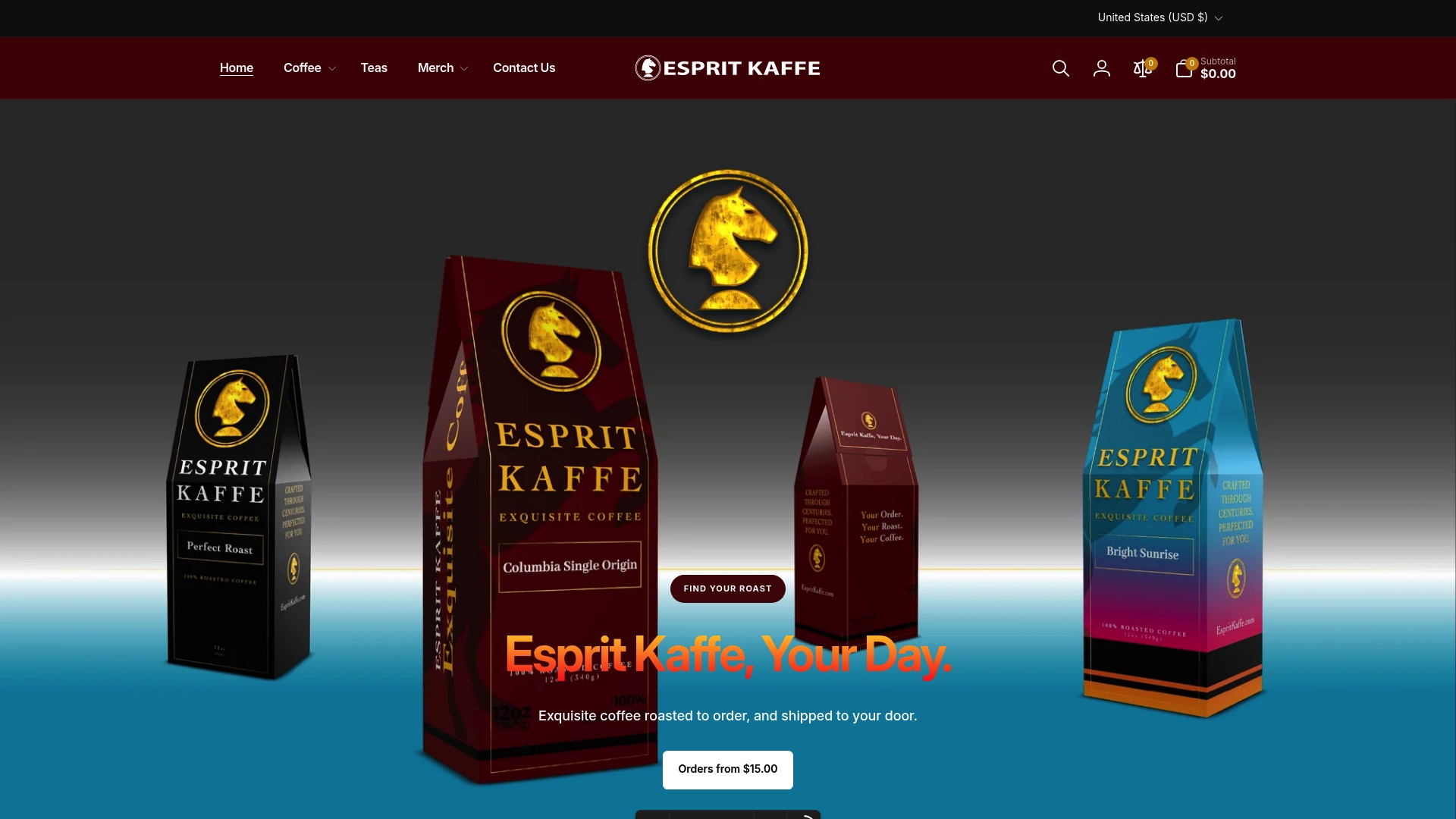
Every bag is 100% Arabica, available in light, medium, and dark roasts, and third-party tested for mycotoxins and heavy metals — the kind of quality signal that matters when you’re buying online and can’t smell the beans first. For beginners, the medium roast is the right starting point, and the cold brew option is an easy, low-effort first brew for anyone who wants a smooth, forgiving introduction to specialty coffee without any heat or timing pressure. Browse Espritkaffe’s current roasts, pick a 250g bag, and brew your first cup this week.
Useful sources
- SCA Coffee Flavor Wheel via CoffeeTrove — Interactive version of the Specialty Coffee Association’s flavor taxonomy; use it open on your phone during tasting sessions to build vocabulary faster.
- Coffee Bean Buying Guide: Origins, Processing & Flavor — Practical reference for roast-level selection, origin recommendations, and freshness rules; the source for the medium-roast Colombian/Guatemalan recommendation in this guide.
- Selecting the Perfect Coffee Beans — Covers the freshness case for whole-bean over preground and the impact of grinding immediately before brewing.
- Espritkaffe Artisan Brews Guide — Beginner-facing guide to specialty brewing styles and flavor expectations from Espritkaffe’s own editorial library.