

Roast level does not meaningfully change the caffeine dose in your cup. Small differences show up in lab measurements, but the real swing factor is how you measure and brew, not whether the beans are light or dark. Peer-reviewed testing backs this up. The section on practical takeaways below turns that finding into six steps you can use today.
TL;DR:
- Roast level has minimal effect on total caffeine content; the primary factors are measurement method and brewing process.
- Weighing coffee grounds, adjusting for extraction yield, and controlling brew variables are essential for consistent caffeine dosing.
- Brewing method, water ratio, and serving size influence caffeine concentration more than roast degree does.
- Using a scale to measure coffee and selecting a target caffeine dose improve accuracy, regardless of roast choice.
- Comparing roasts under identical brewing conditions helps determine personal preference without misattributing differences to roast color.
Table of Contents
- How caffeine is measured and why studies disagree
- What roasting does to the bean
- Brewing and measurement: the levers that actually matter
- Practical takeaway: pick a roast for flavor, control dose separately
- Esprit Kaffe perspective on roast and clarity
- Where the caffeine conversation gets misdirected
- Try different roasts without guessing at your dose
- Sources
- FAQ
How caffeine is measured and why studies disagree
Caffeine gets reported three different ways, and mixing them up is the main source of confusion in headlines.
- Milligrams per gram measures caffeine in the dry bean or ground coffee, before water touches it.
- Milligrams per milliliter or per 8-ounce cup measures the concentration in a brewed beverage.
- Milligrams per serving measures the total dose you actually drink.
A scoop of coffee is a volume measurement, and volume does not account for density. Darker beans lose mass and moisture during roasting, so a scoop of dark roast weighs less than a scoop of light roast. Scale-based dosing removes that variable entirely.
Lab studies typically use HPLC (high-performance liquid chromatography) to isolate and quantify caffeine precisely. A 2021 HPLC study measured caffeine across roast levels and found small but real differences, with medium roast showing the highest caffeine concentration. A controlled lab concentration also does not automatically match what ends up in your mug, because your grind, water ratio, and brew time all shift the final number.
What roasting does to the bean
Roasting is a chemical and physical transformation, and only some of it touches caffeine.
- Mass loss occurs as moisture and volatile compounds escape, which concentrates some remaining compounds while reducing overall bean density.
- Porosity increases with roast degree, and higher porosity generally improves how efficiently compounds extract during brewing.
- Caffeine sublimation can occur at high roast temperatures over long roast times, but the effect on total caffeine content is usually small.
The PMC study on filter coffee brews found that extraction yield and roast degree interact directly: darker roasts often produced lower brewed-cup caffeine concentrations because their extraction yields were lower, yet at matched extraction yields, darker roasts sometimes showed higher caffeine concentration due to that added porosity. Caffeine concentrations peaked in batches with roughly 14% to 16% mass loss during roasting. Standardizing measurement, meaning weight-based dosing and consistent extraction yield, resolves most of the apparent contradictions across published research.
Pro Tip: If you want to compare two roasts fairly, brew both to the same extraction yield and weigh the grounds precisely rather than trusting a scoop.
Brewing and measurement: the levers that actually matter
Roast degree plays a minor role next to how you brew. These are the variables that move the needle:
- Dose by weight versus volume. Switching from a light roast to a dark roast while scooping the same volume typically delivers less coffee mass, and therefore less caffeine, because dark beans are less dense.
- Brew method. Filter coffee, French press, espresso, cold brew, and boiled coffee each pull a different extraction yield, which changes caffeine concentration independent of roast.
- Water-to-coffee ratio and brew time. A longer contact time or a higher ratio of water to grounds tends to extract more caffeine, regardless of roast level.
- Serving size. A larger cup delivers more total caffeine even if the concentration per milliliter stays identical.
A practical scenario: if you scoop for scoop, switching from light to dark roast can lower your dose slightly because the scoop holds less mass. If you weigh 18 grams of coffee every time, roast level stops being a variable and your dose becomes consistent. Adjusting the grind size also changes extraction speed, which is another reason two people using the “same” recipe can get different caffeine results. If you’re comparing an espresso shot to a full cup, the concentration-versus-dose distinction matters even more, since a 1-ounce espresso shot is far more concentrated than a brewed cup even though the brewed cup usually contains more total caffeine.
Practical takeaway: pick a roast for flavor, control dose separately
The differences between light and dark roast caffeine are small. Your dose is controlled by measuring and brewing, not by roast choice.
- Use a scale. Weigh your coffee in grams every time instead of scooping by volume.
- Decide your target dose. Pick a milligram goal for the day before you start pouring.
- Choose your brew method deliberately. Filter, press, or espresso each pull a different extraction yield.
- Adjust dose or serving size, not roast, if you want more or less caffeine.
- Try sample packs to compare roasts side by side under identical brewing conditions.
- Track how you feel across a few days to see what dose works for you.
Safety limit: the FDA considers up to 400 mg of caffeine per day safe for most healthy adults, and an average 8-ounce brewed cup contains roughly 96 mg. Mayo Clinic guidance recommends pregnant people limit caffeine to about 200 mg per day.
Esprit Kaffe perspective on roast and clarity
Some coffee roasters offer options that allow customers to compare roasts under conditions they control. Samplers or rotating selections can let you brew two roasts back to back using the same grams, grind, and water ratio, which isolates roast as the only variable. That is the only fair way to test whether a darker roast actually feels stronger to you. Weigh your dose, log how each roast affects you over a few mornings, and let the comparison, not the roast label, tell you what’s happening.

Where the caffeine conversation gets misdirected

Most caffeine advice treats roast level as the main lever, and that’s backward. The lab data shows the opposite: extraction yield, brew method, and how you measure your dose account for far more variation than roast color ever does. Chlorogenic acid content, a separate compound tied to some of coffee’s other health effects, actually shifts more dramatically with roast than caffeine does, which is one reason roast-based caffeine claims persist even though they don’t hold up under controlled testing.
The practical failure in most coffee advice is treating a scoop as a unit of measurement. It isn’t. A gram is. If you care about a consistent dose, the fix costs less than a specialty coffee and takes ten seconds: put a kitchen scale next to your grinder. Roast choice can stay about flavor, where it belongs, once dose is handled separately.
— Jett
Try different roasts without guessing at your dose
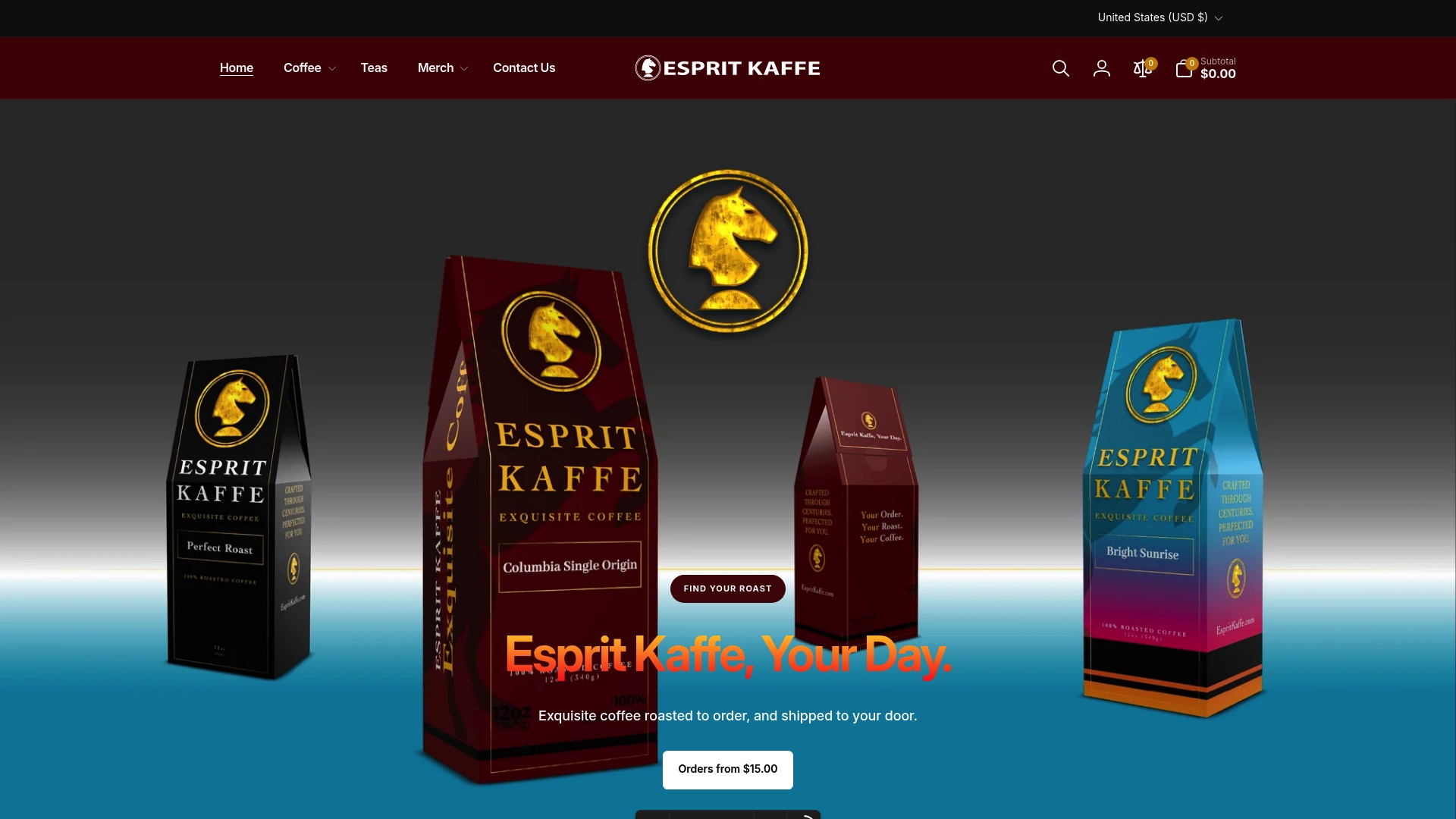
Esprit Kaffe roasts coffee by order, so you can request the roast, origin, or blend that fits how you like to brew, and test the caffeine question for yourself with beans that arrive fresh rather than sitting on a shelf.
A few ways to run your own comparison:
- The Single Origin Favorites Sample Pack lets you brew multiple origins and roast levels side by side using the same scale and method.
- The Esprit Kaffe Members Club Subscription delivers a rotating selection, useful if you want to compare roasts over several weeks rather than one sitting.
- Individual bags of Coffee start at $15.00 one-off, so you can pick a single roast to test against what you already drink.
If you’re ready to weigh your first side-by-side comparison, browse the coffee collection and pick two roasts to brew back to back this week.
This article is general information, not a substitute for advice from a qualified doctor. Consult a qualified healthcare professional about your own circumstances before acting on anything here.
Sources
- Spilling the Beans: How Much Caffeine Is Too Much? | FDA
- Caffeine content in filter coffee brews as a function of degree of roast and extraction yield - PMC
- PubMed article (2021) — HPLC measurements of caffeine by roast
- Coffee and health: What does the research say? - Mayo Clinic
FAQ
Which is stronger, dark or light coffee?
Neither is reliably stronger in caffeine terms. A 2021 HPLC study found medium roast measured highest caffeine concentration, followed by light and dark, so any perceived strength difference usually comes from flavor intensity or brew method rather than caffeine content.
What is the 15-15-15 rule for coffee?
This isn’t a term used in the roast-and-caffeine research reviewed for this article, so a specific definition can’t be confirmed here. If you’ve seen it referenced for brewing ratios, treat it as a rule of thumb rather than a scientific standard until you find its original source.
Does light or dark roast have more caffeine?
The difference is small and inconsistent across studies. The PMC extraction study found that darker roasts often had lower brewed-cup concentrations due to reduced extraction yield, but at matched extraction yields, darker roasts sometimes tested higher due to increased porosity.
What type of coffee is healthiest?
Coffee’s health effects are tied more to origin, freshness, and how it’s prepared than to roast level, according to Mayo Clinic. Most healthy adults can safely consume up to 400 mg of caffeine daily, while pregnant people should keep intake closer to 200 mg per day.