

Fresh roasted coffee is coffee that has been roasted recently enough that its aromatic oils haven’t broken down yet, usually within a week or two of your order. The single best move you can make as a buyer is simple: buy whole beans roasted-to-order and check the roast date before you click “buy.” Not “packaged on.” Not a vague best-by date buried in fine print. An actual roast date.
Here’s the buyer checklist that matters most:
- Confirm the listing says “roasted to order” or shows a specific roast date
- Choose whole beans, not pre-ground, unless you’re grinding same-day
- Buy only what you’ll drink in one to two weeks
Espritkaffe builds its entire model around this principle, roasting to order rather than pulling from a warehouse shelf. Consumer Reports backs the same logic: whole beans hold their flavor compounds far longer than ground coffee does once exposed to air.
Key Takeaways
Fresh roasted coffee depends on one variable above all others: the time between roast date and brewing, which roast-on-order sellers like Espritkaffe are built to minimize.
| Point | Details |
|---|---|
| Check the roast date first | Confirm a specific roast date exists before checking flavor notes or origin stories. |
| Buy whole beans only | Whole beans resist flavor loss far longer than pre-ground coffee once exposed to air. |
| Match roast to brew method | Light roasts suit pour-over, medium roasts suit most methods, dark roasts suit espresso and French press. |
| Store beans properly | Use airtight, opaque containers at room temperature, not the refrigerator or freezer. |
| Order in small, frequent batches | Espritkaffe roasts to order, so buying 8 to 16 ounces at a time keeps beans inside their freshness window. |
Table of Contents
- What Makes Fresh Roasted Coffee Taste Different?
- How Do You Evaluate an Online Coffee Roaster?
- Which Roast Level Fits Your Brewing Style?
- How Long Do Fresh Roasted Beans Stay Fresh?
- When Should You Grind Your Coffee?
- What Happens Between Order and Delivery?
- How Espritkaffe Approaches Roast-on-Order Coffee
- How Can You Tell if Your Coffee Arrived Stale?
- What Actually Matters Most When Buying Fresh Coffee?
- Ready to Order Beans Roasted Just for You?
- Sources
What Makes Fresh Roasted Coffee Taste Different?
Roasting triggers a chemical transformation. Heat converts sugars and amino acids into hundreds of volatile aromatic compounds through the Maillard reaction and subsequent pyrolysis. These compounds are what give coffee its perfume, its brightness, its depth. They’re also unstable. The moment beans cool, that aromatic clock starts ticking down.
Consumer Reports notes that volatile oils and aromatics degrade rapidly after roasting, and the decay speeds up dramatically once beans are ground. Whole beans protect their interior from oxygen; ground coffee exposes far more surface area, so flavor loss that might take three weeks in whole-bean form can happen in days once ground.
You can taste this decay directly:
- Aroma: fresh beans smell sharp and layered; stale beans smell flat or faintly cardboard-like
- Crema: fresh espresso produces a thicker, longer-lasting crema because trapped CO2 is still present
- Brightness: citrus and floral notes fade first, leaving a duller, muddier cup
That decay curve is exactly why “roasted-to-order” isn’t a marketing phrase. It’s the difference between drinking coffee at its aromatic peak and drinking coffee that’s already halfway to bland.
How Do You Evaluate an Online Coffee Roaster?
Not every “fresh roasted” claim online holds up once you actually check the label. Here’s how to vet a roaster’s product page in under two minutes:
- Find the roast date. It should be specific, not a range. If a site only shows a “best by” date months out, that’s a packaging date in disguise.
- Look for “roasted to order” language. This means your beans are roasted after you place the order, not pulled from existing inventory.
- Check the format. Whole bean should be the default; pre-ground should be optional, not forced.
- Read the tasting notes and batch info. Vague listings (“smooth, rich flavor”) suggest less transparency than specific ones (“stone fruit, brown sugar, light citrus finish, medium roast, Ethiopia Yirgacheffe”).
- Scan for certifications. Mycotoxin testing, organic certification, or Fair Trade sourcing are trust signals that go beyond flavor claims into safety and sourcing accountability.
- Check the bag size against your habits. If you drink coffee daily, an 8 to 12 ounce bag lasts about a week or two, which lines up with peak freshness.
Pro Tip: Look at how the roaster ships, not just what they roast. One-way valve bags that let CO2 escape without letting oxygen in are a small detail that says a lot about whether a roaster actually understands freshness.
Small-batch roasters that print roast dates directly on the bag, rather than burying them in an order confirmation email, tend to be the ones most serious about the practice.
Which Roast Level Fits Your Brewing Style?
Roast level shapes flavor more than almost any other variable, and matching it to your brew method prevents the letdown of a coffee that tastes “off” even though nothing was wrong with it.
- Light roast: higher acidity, floral and fruity notes, more of the bean’s origin character intact. Works best with pour-over or drip, where a lighter body doesn’t get lost.
- Medium roast: balanced acidity and body, the middle ground most people default to. A 2025 tasting roundup from The Kitchn found medium roasts consistently balanced brightness against body, making them a reliable everyday choice across brew methods.
- Dark roast: bold, low acidity, more bitterness and smoke, less origin nuance. Best suited to espresso or French press, where a heavier body stands up to milk or high pressure.
Origin and processing method also matter. A washed Ethiopian light roast will taste dramatically different from a natural-process Brazilian medium roast, even at the same roast level. If you’re still figuring out your preferences, our roast levels guide breaks down how origin and roast interact in more detail, and pairing that with a sensory tasting approach helps you build vocabulary for what you’re actually noticing in the cup.
How Long Do Fresh Roasted Beans Stay Fresh?
Peak freshness generally runs one to four weeks past the roast date, depending on the roast level and how the beans are packaged. Lighter roasts tend to hold their brightness a bit longer than dark roasts, which oxidize faster due to more surface oil.
A few storage rules make a real difference:
- Store beans in an airtight, opaque container, away from heat, light, and moisture
- Skip the refrigerator or freezer for daily-use beans; condensation introduces moisture that accelerates staleness
- Keep beans in their original one-way valve bag when possible, since it releases built-up CO2 without letting oxygen back in
- Portion out what you’ll use in a week into a smaller canister, and leave the rest sealed
Consumer Reports recommends exactly this approach: room-temperature, airtight, opaque storage rather than the fridge.
Pro Tip: Keep a rotation habit. Use the oldest bag first, even if you just opened a new one you’re more excited about. Coffee doesn’t wait for your enthusiasm. Our guide on storing whole beans properly walks through container choices in more depth.
When Should You Grind Your Coffee?
Grind right before you brew, every time. Grinding shreds the bean’s protective structure and exposes far more surface area to oxygen, which is exactly why Consumer Reports advises buying whole beans and grinding immediately before brewing rather than pre-grinding a week’s supply.
Grind size needs to match your method:
- Espresso: fine, almost powder-like
- Pour-over and drip: medium, similar to granulated sugar
- French press: coarse, similar to breadcrumbs
- Cold brew: extra coarse, chunky and uneven
Grind only what you need for that session. If you’re making a single pour-over, grind a single serving. The rest of your beans stay sealed and whole until their turn comes.
What Happens Between Order and Delivery?
Order sizes matter more than people assume. An 8 to 16 ounce bag is usually the sweet spot for one to two weeks of regular drinking, which keeps you inside that peak freshness window instead of stretching a large bag across a month.
- Roast-on-order windows are typically stated directly on the product page, often as “roasted within 24 to 48 hours of shipping”
- Subscriptions can automate this cadence, so a new bag arrives right as your current one runs low
- Retail listings show that multiple package sizes and subscription formats are now standard across most whole-bean sellers
- Faster shipping options shrink the gap between roast day and your first cup, which matters more for light roasts than dark ones
If a roaster can’t tell you when your beans were roasted relative to when they’ll ship, that’s a gap worth asking about before you order.
How Espritkaffe Approaches Roast-on-Order Coffee
Espritkaffe’s model runs on a simple premise: your order, your roast, your coffee. Beans aren’t pulled from a back-stock shelf. They’re roasted after you place your order, tailored to the roast level you choose, and shipped close to that roast date.
The gap between roast day and delivery day is the single biggest variable most buyers never think to ask about. Closing that gap, not marketing language, is what actually defines fresh.
Custom roasting also means fewer mismatches between what a bag promises and what a brewer actually wants, a point our custom roast orders guide covers in more detail.
How Can You Tell if Your Coffee Arrived Stale?
Trust your senses the moment the bag opens. Fresh roasted coffee should hit you with a noticeable aroma before you even brew it, sharp, layered, and specific to the roast level and origin. If you open a bag and smell almost nothing, or the smell is flat and papery, that’s your first warning sign.
Watch for these signals of a stale or low-quality batch:
- Weak or absent aroma straight out of the bag, especially if the listing promised bold tasting notes
- No bloom during brewing. Fresh beans release CO2 and puff up when hot water hits them; stale beans barely react
- Flat crema on espresso, thin and disappearing within seconds instead of holding for a bit
- Oily, dull-looking beans on dark roasts specifically, since heavy surface oil combined with a stale smell usually means the beans sat too long after roasting
- A roast date that’s missing, vague, or older than a month from when you received the bag
If you order from a roaster promising “roasted to order” and the bag arrives without any date printed on it, that’s worth flagging directly with the seller. A legitimate roast-on-order operation has no reason to hide when the beans were roasted. Reputable sellers will typically replace a bag that arrives stale or answer questions about batch timing without hesitation. If you get vague answers or no roast date at all, treat that as a sign to look elsewhere for your next order.
What Actually Matters Most When Buying Fresh Coffee?
Most advice about fresh roasted coffee spends too much energy on origin stories and tasting note poetry, and not enough on the one variable that actually predicts how your coffee will taste: time between roast and cup. A stunning single-origin Ethiopian bean roasted six weeks ago will lose to a mediocre blend roasted three days ago, almost every time.
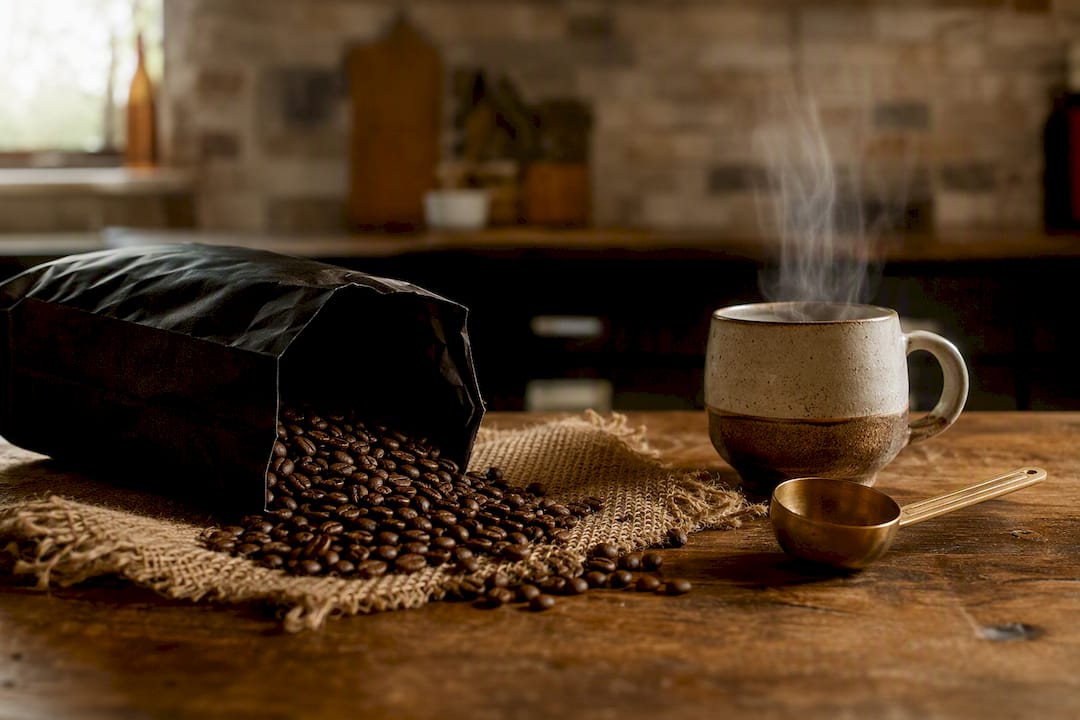
The conventional wisdom oversells “artisanal” and “small-batch” as if those words alone guarantee freshness. They don’t. A small-batch roaster who lets inventory sit on a shelf for a month is no better than a supermarket brand doing the same thing at scale. Roast date is the only claim that actually holds up under scrutiny, because it’s the one thing that can’t be marketed around.
If you take one thing from this guide, prioritize roast-on-order practices over brand story. Check the date first. Check the roast level second. Worry about origin and tasting notes last, once you’ve confirmed the coffee will actually still taste like something when it arrives.
— Jett
Ready to Order Beans Roasted Just for You?
Most bagged coffee on shelves, even the “premium” stuff, was roasted weeks before it reached you. Espritkaffe skips that entirely: your beans get roasted after you place your order, in the roast level you actually pick, then shipped close to that roast date so the gap between roasting and your first cup stays small.
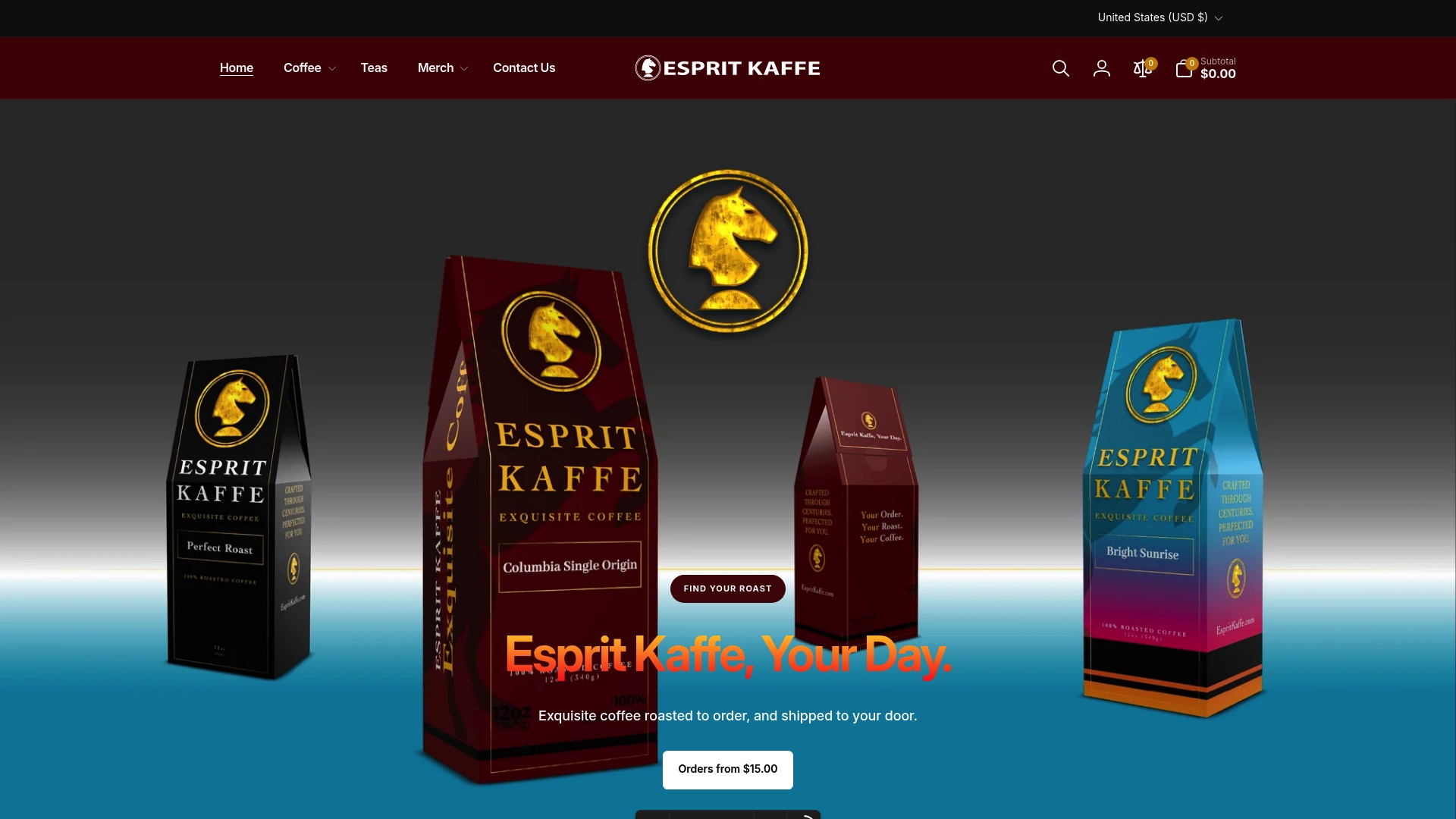
That’s a meaningfully different model than grabbing a bag off a grocery shelf where you have no idea how long it sat in a warehouse. You choose light, medium, or dark, select your preferred origin or blend, and Espritkaffe roasts to that specification instead of guessing what a mass market wants. Browse the full coffee collection or check out current coffee and tea offerings to find a roast that matches your brew method, and place an order sized for what you’ll actually drink in the next couple of weeks.
Sources
- Best Coffee Buying Guide - Consumer Reports
- 5 Best Medium-Roast Coffee Beans of 2025 (We Tried 10!) | The Kitchn
- Amazon Best Sellers: Best Roasted Coffee Beans