

Ethical coffee sourcing practices are defined as procurement methods that guarantee fair compensation, long-term farmer support, and verified environmental responsibility across the entire coffee supply chain. The industry term for this approach is “responsible sourcing,” and it covers everything from how farmers are paid to how land is managed. In 2026, 14 major coffee traders and roasters formalized two core procurement principles through a nine-month collaboration with the Global Coffee Platform and IDH. That agreement signals a turning point. Whether you buy coffee daily or source it professionally, understanding what responsible sourcing looks like helps you make choices that actually matter.
1. What are the key principles of ethical coffee sourcing practices?
Two principles now define the industry standard for responsible sourcing. The first is Strategic Partnerships. The second is Sustainable Coffee Production. Both emerged from the 2026 agreement between 14 major traders and roasters, and both address the root causes of instability in the coffee supply chain.
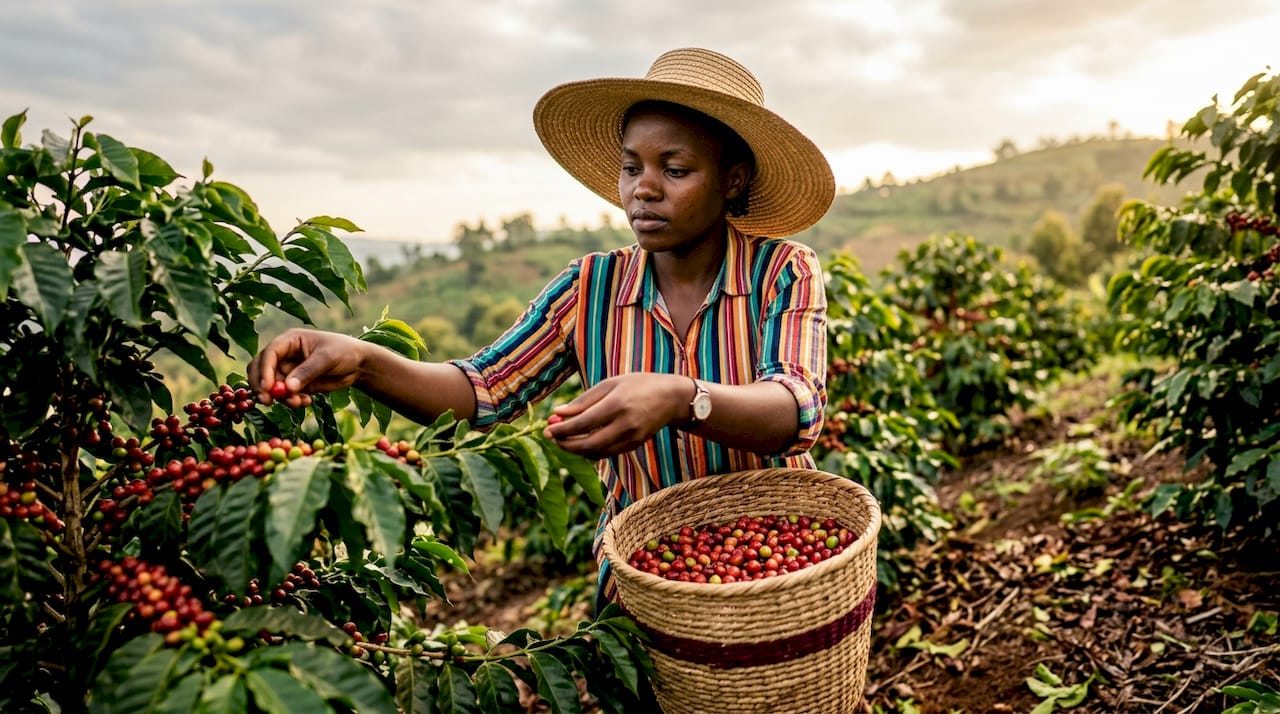
Strategic Partnerships shift the model from one-off transactions to long-term, trust-based relationships between buyers and farmers. Long-term collaboration gives farmers the ability to plan investments, improve their farms, and build financial stability. A farmer who knows they have a buyer for the next five years plants differently than one who sells to whoever shows up at harvest.
Sustainable Coffee Production addresses the economics directly. Adequate pricing and technical support allow farmers to recover costs and reinvest in better farming systems. Companies operating under this principle also provide financial access and hands-on assistance, not just a purchase order.
- Buyers commit to multi-year contracts instead of spot purchases
- Farmers receive technical training on soil management and yield improvement
- Pricing covers production costs and leaves room for livelihood improvement
- Financial tools like credit access reduce farmer vulnerability to price swings
Pro Tip: When evaluating a coffee brand’s sourcing claims, ask whether they publish average contract lengths with their farmers. A brand with multi-year supplier relationships is far more credible than one that only lists certification logos.
2. Which certifications and standards verify responsible sourcing?
Certification is the most reliable market signal for consumers who want to verify ethical sourcing claims. Not all certifications carry the same weight. The strongest ones combine third-party audits, measurable outcomes, and public reporting.
The Rainforest Alliance Regenerative Agriculture Standard is the most science-based framework currently available. It focuses on soil health, biodiversity, and climate resilience. Critically, it offers a transparent verification system that translates regenerative agriculture into measurable consumer trust signals. Vague sustainability claims fail this standard. Verified outcomes do not.
The Global Coffee Platform Equivalence Mechanism allows different national and regional certification schemes to be recognized under a shared framework. This matters because coffee grows in over 70 countries, each with different regulatory environments. A unified equivalence mechanism reduces duplication and makes it easier for buyers to compare sourcing claims across origins.
| Certification | Primary Focus | Verification Method |
|---|---|---|
| Rainforest Alliance Regenerative | Soil, biodiversity, climate | Science-based third-party audit |
| Global Coffee Platform Equivalence | Multi-origin standardization | Cross-scheme recognition framework |
| Fair Trade | Farmer pricing and labor rights | Price floor audits and cooperative reviews |
Regenerative agriculture standards provide a credible alternative to vague sustainability claims, giving consumers a concrete basis for informed choices. A certification that measures soil carbon and biodiversity outcomes is fundamentally different from one that only checks a checklist.
3. How supply chain transparency shapes coffee sourcing ethics
Transparency is not a marketing term. In coffee sourcing, it is a technical requirement. The coffee commodity chain has historically been opaque, with multiple intermediaries between the farm and the cup. That opacity makes it nearly impossible to verify labor practices or confirm that premium payments actually reach farmers.
Digital lot codes solve this problem directly. Lot codes link green coffee shipments to individual farms and cooperatives, creating a verifiable record that travels with the coffee from origin to roaster. A buyer can trace a specific bag of beans back to the farm, the harvest date, and the agreed price. That level of detail makes accountability real rather than aspirational.
- Lot codes connect each shipment to a named farm or cooperative
- Buyers can verify that premiums were paid at the origin level
- Roasters can publish sourcing data that consumers can independently check
- Traders reduce reputational risk by documenting labor and environmental compliance
Pro Tip: Look for roasters who publish lot-level sourcing data on their website. If a brand can tell you the farm name, the region, and the price paid, they have real traceability. If they only list a country of origin, the supply chain is still opaque.
Understanding how coffee is grown across different regions also helps you interpret sourcing claims. Farming conditions vary dramatically between highland Ethiopia and lowland Brazil, and those differences affect what “sustainable” actually means in practice.
4. How progress in sustainable coffee sourcing is measured
Progress in responsible sourcing is measurable, and the numbers show real movement. 11 major roasters reported that approximately 75% of their green coffee purchases in 2024 met sustainability baselines, up from 55% in 2021. That 20-percentage-point gain over three years reflects genuine industry momentum, not just better marketing.
The Global Coffee Platform frames this as a shared responsibility problem. Short-term transaction models consistently fail farmers because they create price volatility with no safety net. Long-term strategies, by contrast, give farmers the stability to invest in soil health, better equipment, and climate adaptation.
Corporate commitments are also becoming more specific. JDE Peet’s launched a Nature Transition Plan that targets 100% responsibly sourced coffee by 2028, paired with farmer programs focused on deforestation-free and regenerative practices. Specific targets with public timelines are the clearest sign that a company treats sourcing ethics as a business obligation rather than a branding exercise.
5. What practical steps brands and consumers can take
Responsible sourcing is not passive. Both brands and consumers have direct levers to pull.
For brands and roasters:
- Adopt the Strategic Partnerships principle by committing to multi-year contracts with named suppliers.
- Publish pricing data that shows farmers receive above-cost-of-production payments.
- Align with the Rainforest Alliance Regenerative Agriculture Standard or an equivalent Global Coffee Platform-recognized scheme.
- Provide technical assistance programs that help farmers improve yields without sacrificing soil health.
- Use digital lot codes to create public, verifiable sourcing records.
For consumers:
- Choose coffees that carry third-party certifications with public audit reports, not just logos.
- Ask brands directly about their average contract length with farmers. The answer reveals their actual commitment.
- Support roasters who publish farm-level sourcing data, including the price paid and the harvest season.
- Prioritize brands that explain their sourcing in plain language rather than vague claims about “sustainability.”
- Recognize that paying a fair price for coffee at retail is the most direct way to support fair pricing at the farm level.
Consumer demand is the most powerful force in the coffee supply chain. When buyers consistently choose certified, transparent coffees, brands respond by investing more in responsible procurement. The 75% sustainability baseline figure among major roasters did not happen by accident. It happened because buyers started asking harder questions.
Key Takeaways
Ethical coffee sourcing requires long-term farmer partnerships, verified certifications, and digital traceability to deliver real fairness and environmental outcomes.
| Point | Details |
|---|---|
| Two core principles | Strategic Partnerships and Sustainable Coffee Production define the 2026 industry standard. |
| Certification matters | Rainforest Alliance Regenerative and Global Coffee Platform standards provide verified, measurable outcomes. |
| Traceability is technical | Digital lot codes link shipments to farms, enabling real verification of labor practices and premium payments. |
| Progress is measurable | Major roasters reached 75% sustainably sourced green coffee in 2024, up from 55% in 2021. |
| Consumer demand drives change | Choosing certified, transparent coffees directly incentivizes brands to invest in responsible sourcing. |
The uncomfortable truth about “sustainable” coffee
I have spent years reading sourcing claims from coffee brands, and the gap between marketing language and actual practice is still wide. The 2026 procurement principles agreement is genuinely significant. Fourteen major traders committing to long-term partnerships and cost-covering prices is not a press release. It is a structural shift, and it took nine months of hard negotiation to get there.
What concerns me is the certification landscape. Too many brands still treat a single logo as a complete answer. Certification is a floor, not a ceiling. A Rainforest Alliance seal tells you a farm met a minimum standard at the time of audit. It does not tell you what happened the following year, or whether the premium actually reached the farmer rather than the cooperative’s administrative budget. Digital lot codes are the missing piece here. They make the supply chain legible in a way that annual audits simply cannot.
The other tension I keep coming back to is ecological versus economic goals. Regenerative agriculture is the right direction. But asking a smallholder farmer in Colombia or Uganda to invest in soil carbon sequestration without guaranteed price premiums is asking them to absorb a cost that the market has not yet agreed to pay. The brands that get this right are the ones building the financial support into the sourcing relationship, not treating it as a separate CSR program.
— Jett
Espritkaffe and the standard for sourced coffee
Espritkaffe is built for people who choose purpose over routine, and that standard extends to what goes into the cup.
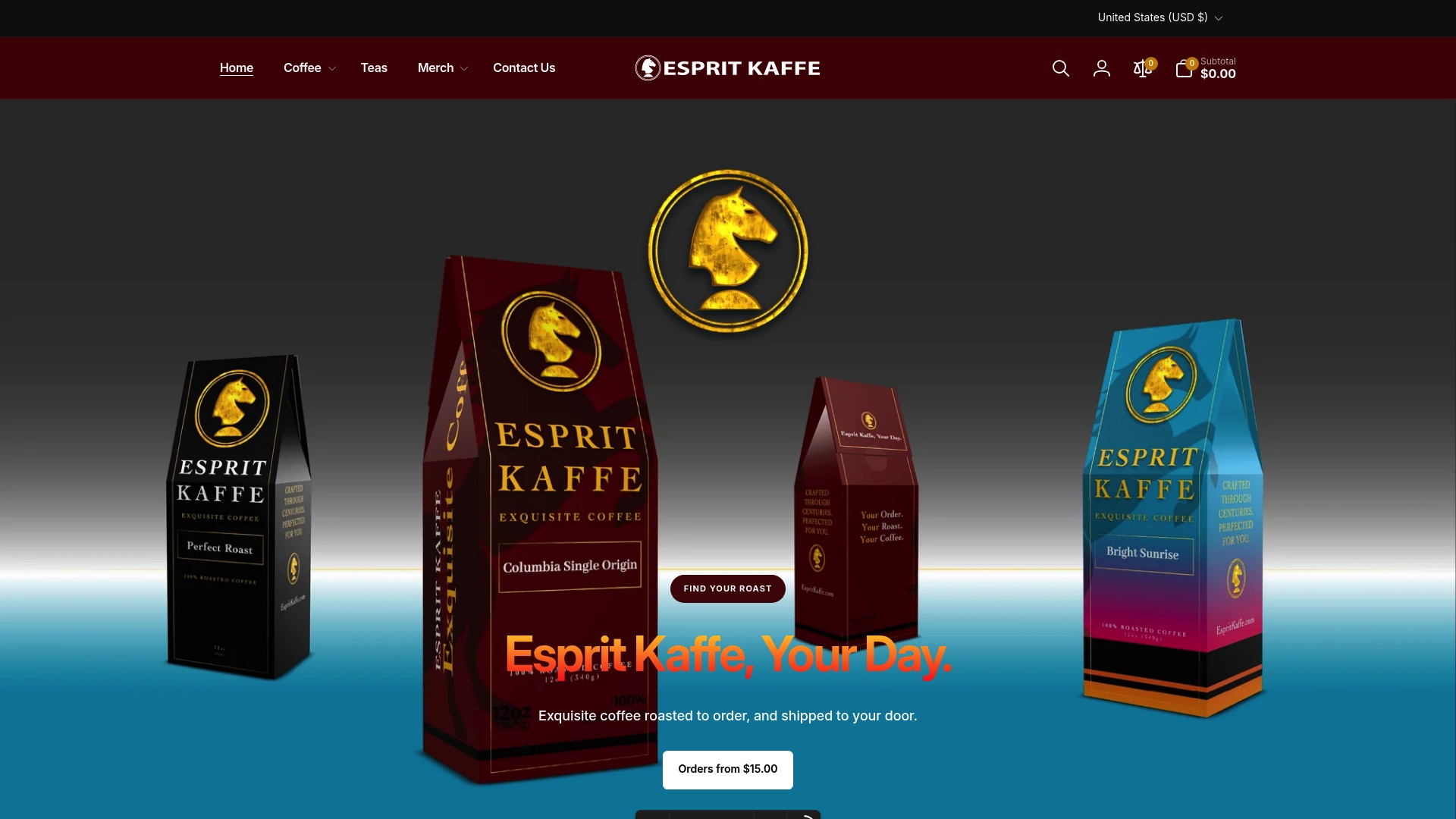
The Coffee with Mushrooms Medium Roast reflects Espritkaffe’s commitment to sourcing coffee that meets the principles discussed throughout this article: fair farmer relationships, verified origins, and quality you can trace. For consumers who want their morning ritual to mean something beyond the first sip, Espritkaffe’s product range is a direct expression of that value. Every roast is built for the person who reads the label and actually wants the answer to hold up.
FAQ
What does ethical coffee sourcing mean?
Ethical coffee sourcing means procuring coffee through methods that guarantee fair farmer compensation, long-term supply relationships, and verified environmental responsibility. The industry term is “responsible sourcing,” and it covers pricing, labor practices, and ecological impact.
How do I know if a coffee is ethically sourced?
Look for third-party certifications like the Rainforest Alliance Regenerative Agriculture Standard, and check whether the brand publishes farm-level sourcing data including the price paid. Lot codes that link a bag to a specific farm are the strongest traceability signal available.
What is the difference between fair trade coffee and regenerative certification?
Fair Trade focuses primarily on minimum price floors and labor rights for cooperatives. Regenerative certification, such as the Rainforest Alliance Regenerative Agriculture Standard, adds science-based requirements for soil health, biodiversity, and climate resilience on top of social standards.
Why do long-term supplier contracts matter for ethical sourcing?
Long-term contracts give farmers the financial predictability to invest in better farming practices and weather price volatility. Short-term transaction models leave farmers exposed to market swings with no safety net.
How much of the coffee industry currently meets sustainability standards?
11 major roasters reported that approximately 75% of their green coffee purchases in 2024 met sustainability baselines, compared to 55% in 2021. That figure reflects real progress, though the remaining 25% represents a significant portion of global volume still operating outside verified standards.