

Tarrazu Costa Rican coffee is defined as a single-origin Arabica grown in Costa Rica’s Los Santos region at elevations between 1,200 and 1,900+ meters, producing a cup known for sparkling citrus acidity, honey sweetness, and exceptional clarity. Formally called Tarrazú coffee within the specialty trade, this origin sits roughly 40 miles south of San José and consistently ranks among the most celebrated Central American coffees. Its terroir, meticulous processing, and Strictly Hard Bean classification make it a benchmark for what high-altitude Arabica can achieve. If you want to understand why connoisseurs keep returning to this cup, the answer starts in the mountains.
What makes Tarrazu coffee’s region so special?
The Los Santos valley in Costa Rica’s Tarrazu region is not just high. It is precisely high in a way that changes everything about how coffee develops. Elevation between 1,200 and 1,900+ meters slows cherry ripening dramatically, giving sugars and flavor compounds more time to concentrate inside each bean. The result is a denser, more complex bean than you get from lower-altitude origins.
The soil adds another layer. Tarrazu’s volcanic, mineral-rich soil creates a growing environment where roots access a broad spectrum of trace minerals. Those minerals show up in the cup as subtle complexity that single-origin fans describe as a “clean brightness with depth.” You cannot replicate that in a blend.
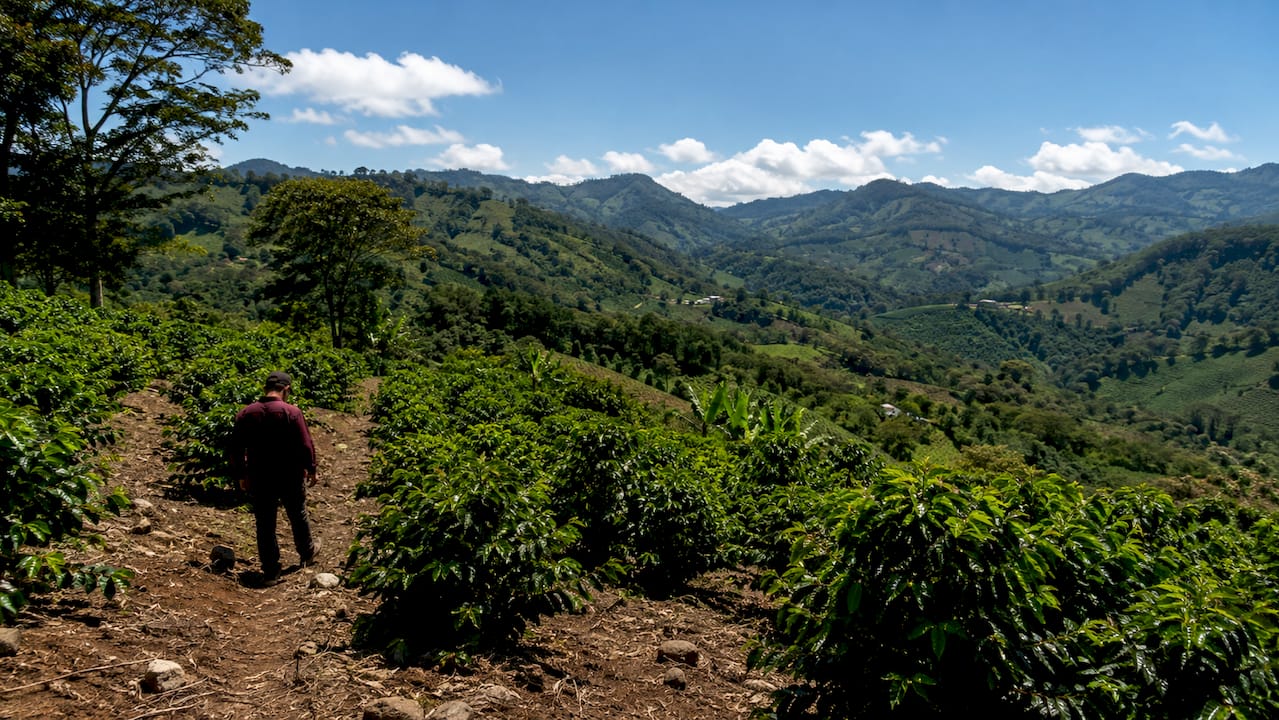
The microclimate is equally precise. Warm days push photosynthesis and sugar production. Cool nights slow the plant’s metabolism, locking those sugars into the cherry rather than burning them off. Seasonal rainfall arrives and retreats on a predictable schedule, which farmers in the Los Santos valley have learned to work with over generations.
How Tarrazu compares to other Costa Rican regions
Costa Rica produces coffee across several distinct zones, including Tres Ríos, Brunca, and the Central Valley. Each has merit, but Tarrazu stands apart on measurable criteria.
| Region | Elevation | Flavor Character | SHB Status |
|---|---|---|---|
| Tarrazu | 1,200–1,900+ m | Bright citrus, honey, chocolate | Yes |
| Tres Ríos | 1,200–1,650 m | Mild acidity, wine-like notes | Yes |
| Central Valley | 900–1,400 m | Balanced, mild, nutty | Partial |
| Brunca | 600–1,200 m | Softer, lower acidity | No |
The SHB classification stands for Strictly Hard Bean. It is awarded only to coffees grown above 1,200 meters where slow maturation produces the density and flavor concentration that specialty buyers demand. Tarrazu earns this classification consistently. That consistency is why specialty roasters treat it as a reliable single-origin anchor in their lineups.
For comparison, terroir-driven origins like Peruvian coffee share some of Tarrazu’s altitude-driven complexity, but the volcanic soil profile in Los Santos gives Tarrazu a distinctly sharper citrus edge.
What flavor profile does Tarrazu coffee deliver?
Tarrazu coffee’s flavor notes include bright citrus (lemon, grapefruit), honey sweetness, milk chocolate undertones, floral hints, and a nutty background. The acidity is sparkling and citric, not sharp or harsh. The body lands at medium to medium-full with a clean, crisp finish that leaves the palate refreshed rather than coated.
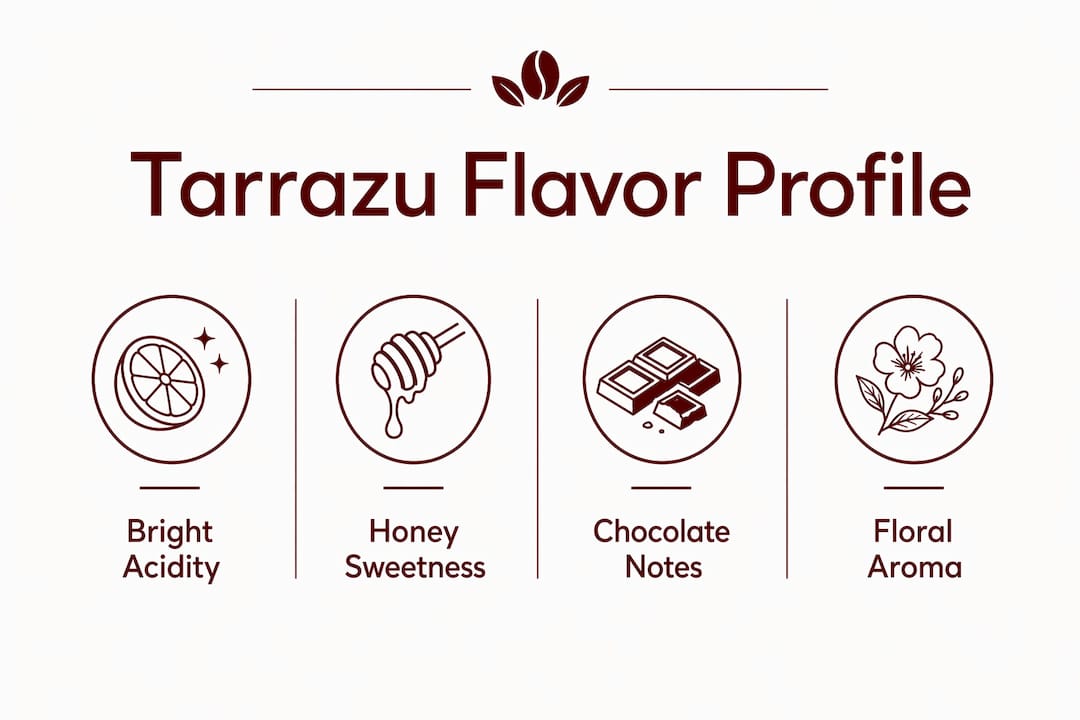
That combination is rarer than it sounds. Most coffees with high acidity sacrifice body. Tarrazu holds both in balance, which is why it works equally well as a morning pour-over and an afternoon espresso.
How processing changes the cup
Processing method is the single biggest variable within the Tarrazu region. Washed coffees emphasize the citrus brightness and clean finish. Honey-processed coffees retain more of the cherry’s natural sugars, producing a sweeter, fuller-bodied cup with less pronounced acidity. Neither is superior. They are different expressions of the same terroir.
Here is how the two processing styles compare at a glance:
| Processing | Acidity | Body | Dominant Notes |
|---|---|---|---|
| Washed | High, citric | Medium | Lemon, grapefruit, floral |
| Honey | Medium | Medium-full | Honey, caramel, stone fruit |
Roast level adds a third dimension. Light to medium roasts preserve Tarrazu’s signature citrus brightness and honey sweetness. Medium-dark roasts push caramel and chocolate forward without losing the cup’s characteristic clarity. Going darker than medium-dark risks flattening the acidity that makes Tarrazu worth seeking out in the first place.
Pro Tip: If you are new to Tarrazu, start with a washed, light-to-medium roast. It gives you the clearest read on what the terroir actually tastes like before you start layering in processing and roast variables.
How should you brew Tarrazu coffee?
Brewing Tarrazu well is about protecting its acidity and clarity. The wrong method or temperature will flatten the cup into something generic. The right approach lets the citrus and honey notes sing.
- Choose pour-over or Aeropress first. Methods like the Hario V60, Chemex, or Aeropress give you the most control over extraction and produce the cleanest cup. They let Tarrazu’s brightness come through without interference from paper or metal filter variables.
- Set your water temperature between 195°F and 205°F. Water above 205°F over-extracts and turns the citrus notes bitter. Water below 195°F under-extracts and leaves the cup flat and thin.
- Grind medium-fine for pour-over, medium for drip. A consistent grind from a burr grinder like the Baratza Encore or Fellow Ode produces even extraction. Blade grinders create uneven particle sizes that muddy Tarrazu’s clean finish.
- Keep brew time between 3 and 4 minutes for pour-over. Longer extraction pulls bitter compounds that compete with the honey sweetness. Shorter extraction leaves the cup underdeveloped.
- Brew fresh. Tarrazu’s brightness fades faster than lower-acidity coffees. Buy in small quantities and use within two to three weeks of the roast date.
Pro Tip: For espresso, pull Tarrazu at a 1:2.5 ratio with a 28-second extraction. The longer ratio opens up the citrus notes that a tighter 1:2 pull can suppress.
Tarrazu pairs well with foods that complement its flavor profile without competing. Dark chocolate, almond croissants, citrus tarts, and aged cheeses all work. The coffee’s honey sweetness bridges savory and sweet pairings better than most high-acid origins. For a deeper look at how flavor profiling works across origins, the obsidian coffee guide offers useful contrast.
How do you select authentic Tarrazu coffee?
The word “Tarrazu” on a bag is a starting point, not a guarantee. Regional variability in quality and profile means two bags labeled Tarrazu can taste noticeably different depending on farm practices, processing, and harvest year. Knowing what to look for protects your purchase.
Key indicators of authentic, high-quality Tarrazu coffee:
- Farm or cooperative name. Bags that name the specific farm or cooperative (such as Coopetarrazu or Hacienda Sonora) signal traceability and accountability. Generic “Costa Rica Tarrazu” with no further detail is a red flag.
- Processing method listed. Washed or honey should appear on the label. If it does not, the roaster is hiding a variable that affects your cup.
- Harvest year. Fresh Tarrazu lots from the December-through-March harvest reach specialty roasters in spring. Bags without a harvest year may be sitting on old stock.
- SHB designation. SHB status confirms the beans were grown at altitude and processed to density standards. It is a reliable quality floor.
- Roast date, not best-by date. A roast date tells you exactly how fresh the coffee is. A best-by date tells you nothing useful.
Specialty roasters and direct-trade online retailers are the most reliable sources. The Costa Rica single origin page at Espritkaffe is one example of where transparency about origin and processing is built into the product listing.
Key takeaways
Tarrazu Costa Rican coffee delivers its best cup when you understand the terroir, match the processing style to your taste preference, and brew with precision to protect its signature brightness.
| Point | Details |
|---|---|
| Elevation drives quality | Beans grown at 1,200–1,900+ meters earn SHB status through density and flavor concentration. |
| Processing shapes the cup | Washed lots emphasize citrus; honey-processed lots deliver sweetness and fuller body. |
| Roast level matters | Light to medium roasts preserve brightness; medium-dark shifts toward caramel and chocolate. |
| Label transparency is key | Look for farm name, processing method, harvest year, and SHB status before buying. |
| Brew with precision | Use 195°F–205°F water, a burr grinder, and pour-over or Aeropress for the clearest expression. |
Why Tarrazu rewards the curious drinker
I have tasted a lot of high-altitude Central American coffees, and Tarrazu still surprises me. Not because it is the most exotic origin on the shelf, but because it is one of the most honest. What the terroir promises, the cup delivers, provided you buy from a roaster who respects the source.
The mistake most people make is treating “Tarrazu” as a flavor guarantee. It is not. The label indicates geographic origin, but final flavor depends heavily on micro-climate, farm practices, and processing. I have had Tarrazu lots that tasted like a lemon tart and others that leaned into dark honey and stone fruit. Both were excellent. Both were Tarrazu. The difference was the farm and the processing choice.
My recommendation: buy single-farm lots whenever you can. Coopetarrazu and similar cooperatives publish harvest data and processing details. That transparency is worth paying for. A bag that costs a few dollars more and tells you exactly where it came from will teach you more about this origin than ten anonymous bags ever will.
Experiment with roast levels too. If you have only had Tarrazu as a medium roast, try a light roast from the same farm. The shift in citrus intensity is striking. Then try a honey-processed lot at medium-dark. You will start to understand why connoisseurs treat this region as a study in itself, not just a checkbox on a tasting list.
— Jett
Explore Tarrazu-inspired roasts from Espritkaffe
If Tarrazu’s balance of brightness and sweetness has you curious about what roast level suits your palate, Espritkaffe has you covered.
The light roasts collection at Espritkaffe is built for drinkers who want citrus clarity and delicate sweetness front and center. These roasts protect the acidity that makes high-altitude origins like Tarrazu worth seeking out. If you prefer the caramel and chocolate notes that come with longer roasting, the dark roasts collection delivers depth without losing the clarity that defines quality single-origin coffee. For days when you want the flavor without the brew ritual, Espritkaffe’s cold brew coffee brings out the smooth, sweet side of high-altitude beans. Your order, your roast, your coffee.
FAQ
What is Tarrazu coffee?
Tarrazu coffee is a single-origin Arabica grown in Costa Rica’s Los Santos region at elevations between 1,200 and 1,900+ meters. It is classified as Strictly Hard Bean and is known for bright citrus acidity, honey sweetness, and a clean, medium-bodied finish.
How does Tarrazu differ from other Costa Rican coffees?
Tarrazu grows at higher elevations than most Costa Rican regions, producing denser beans with more concentrated flavor. Its volcanic soil and microclimate create a sharper citrus profile and greater complexity than lower-altitude Costa Rican origins like Brunca.
What brewing method works best for Tarrazu?
Pour-over methods like the Hario V60 or Chemex produce the clearest expression of Tarrazu’s citrus and honey notes. Use water between 195°F and 205°F and a medium-fine grind for best results.
When is Tarrazu coffee harvested?
The main harvest runs from december through march, coinciding with Costa Rica’s dry season. Fresh lots typically reach specialty roasters in spring, so bags purchased between april and july often represent the most recent crop.
What should I look for on a Tarrazu coffee bag?
Look for a specific farm or cooperative name, the processing method (washed or honey), a harvest year, and an SHB designation. A roast date is also critical. Bags missing these details offer no reliable way to predict what is in the cup.