

Primavera coffee is a specialty green coffee sourced primarily from Guatemala, recognized for its sustainable business model and flavor notes ranging from rich chocolate to bright citrus. The term carries two distinct meanings that every serious coffee enthusiast should understand before buying. Primavera Green Coffee is a specific Guatemalan importer and sourcing project. The name also appears on seasonal spring blends sold by independent roasters worldwide. Knowing the difference determines whether you get a traceable, award-winning single origin or a generic seasonal mix. Espritkaffe breaks down both, so you can choose with clarity.
What is primavera coffee and how does it differ from spring blends?
Primavera coffee refers to two distinct things, and confusing them costs you money and flavor. The first is Primavera Green Coffee, a Guatemalan specialty importer that works directly with smallholder farmers to source, mill, and export traceable green coffee. The second is a category of seasonal spring blends that independent roasters label “primavera” to signal lighter, floral, or fruit-forward profiles suited to warmer months.
The distinction matters for collectors and enthusiasts who want authentic, single-origin beans. A bag labeled “Primavera” from a specialty roaster may reference the Guatemalan project, or it may simply be a spring-themed house blend with no connection to Guatemala at all. The only way to confirm origin is to check for direct sourcing language, farm-level traceability, or explicit mention of Primavera Green Coffee as the importer.
Here is what separates the two categories:
- Guatemalan Primavera project: Single-origin, traceable to specific smallholder farms, milled and exported through La Central de Café, and recognized by the Specialty Coffee Association
- Seasonal spring blends: Roaster-created, often multi-origin, designed for lighter or floral flavor profiles, and not tied to any specific importer or farm
- Hybrid labeling: Some roasters source from the Guatemalan project and label the result a spring blend, which is technically accurate on both counts
Pro Tip: Ask your roaster for the green coffee importer’s name. If they sourced from Primavera Green Coffee, they will know it and say so. Vague answers usually mean a seasonal blend.
The collector-grade distinction also affects price. Traceable single-origin Primavera coffee commands a premium because the supply chain is documented and the farmer receives a guaranteed higher price. Spring blends are often priced for accessibility, not traceability.
Where does Primavera coffee come from?
Guatemala is the primary origin for Primavera Green Coffee, a sourcing project built around direct relationships with smallholder producers. The country’s high-altitude growing regions produce beans with the dense cell structure and complex acidity that specialty buyers seek. Primavera Green Coffee supports over 250 smallholder producers with individualized post-harvest guidance and guarantees prices above market rates. That model directly improves both farmer income and coffee quality consistency.
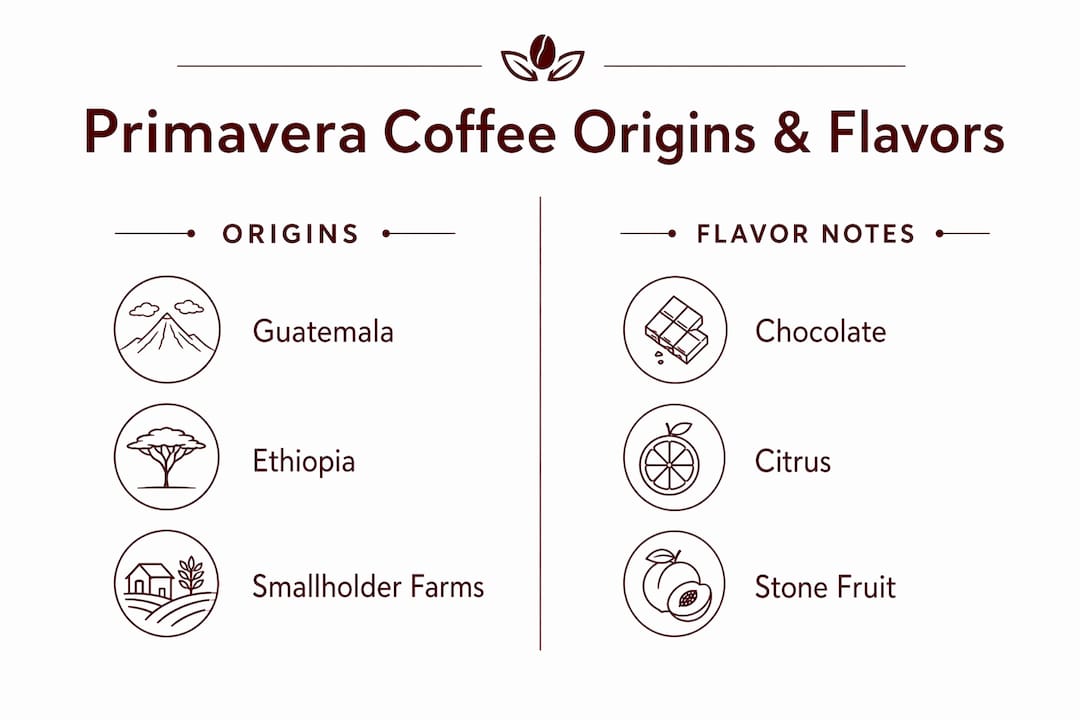
The company operates through its sister company, La Central de Café, which has handled milling and export since 2013. Vertical integration at the milling stage gives Primavera tight control over processing quality before the green coffee reaches roasters. That control is one reason the flavor profiles are so consistent across harvests.
Primavera’s sourcing model rests on three pillars:
- Transparent pricing: Farmers receive guaranteed prices above the commodity market, reducing income volatility
- Post-harvest support: Agronomists work with individual producers to improve fermentation, drying, and sorting practices
- Traceability: Each lot is documented from farm to export, giving roasters and buyers full supply chain visibility
The SCA’s 2023 Sustainability Award recognized Primavera Green Coffee for this model. The Specialty Coffee Association award is one of the most credible signals in the industry. Winning it means the sourcing practices hold up to independent scrutiny, not just marketing claims.
Primavera also sources from Ethiopia, expanding beyond Guatemala to offer single-origin lots from one of coffee’s most storied growing regions. The Ethiopian new harvest in 2026 reflects the company’s commitment to quality even as global cherry prices rise and per-plant yields tighten. You can learn more about how altitude, soil, and region shape flavor in Espritkaffe’s guide to how coffee is grown.
What flavor notes define Primavera coffee?
Primavera coffee’s typical flavor profile includes rich chocolate, citrus brightness, and stone fruit sweetness with a pleasant, clean acidity. Those three elements make it one of the more versatile specialty coffees available. It works well as espresso, in milk-based drinks, and as a straight black pour.
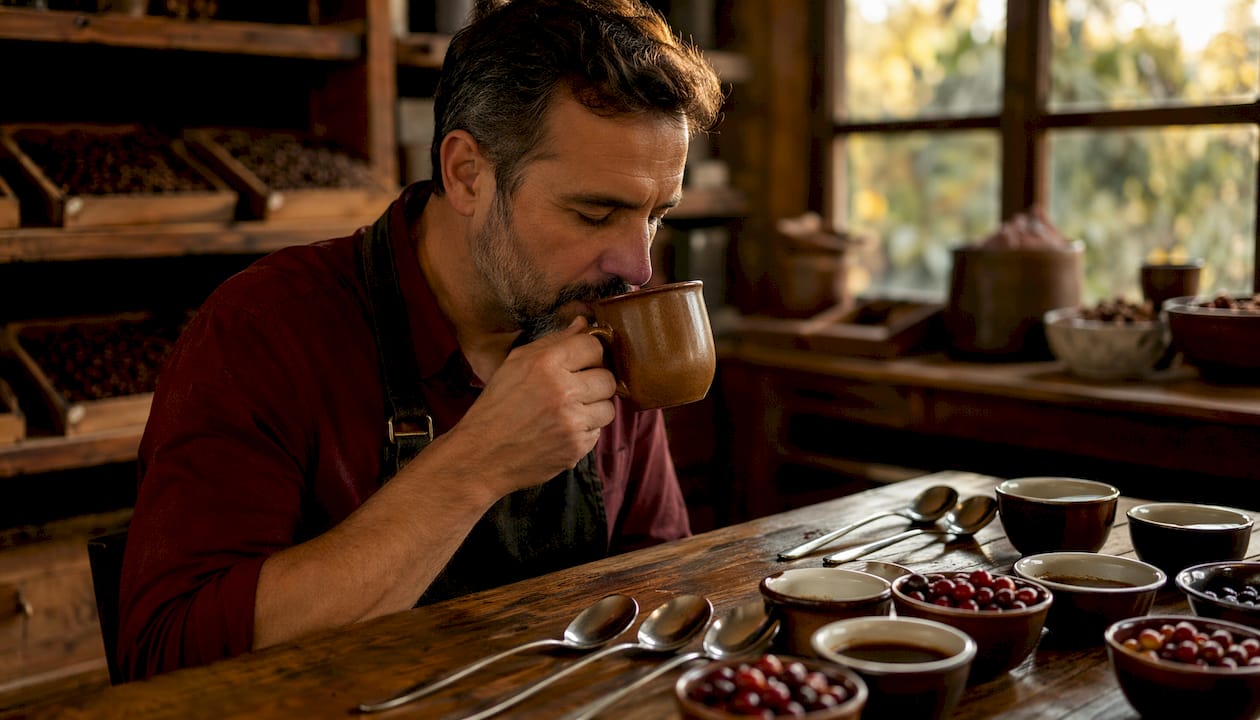
Processing method is the biggest variable in how those flavors express themselves. Natural, washed, red honey, and black honey processing each produce distinct sensory profiles. Washed coffees emphasize clarity and citrus brightness. Natural and honey processes push sweetness and fruit forward while softening acidity.
| Processing method | Primary flavor notes | Acidity | Sweetness |
|---|---|---|---|
| Washed | Citrus, clean chocolate | High | Moderate |
| Natural | Stone fruit, berry, dark chocolate | Low | High |
| Red honey | Balanced fruit, caramel | Medium | Medium-high |
| Black honey | Jammy fruit, molasses | Low | Very high |
A notable trend in 2026 is processing precision, where fewer cherries per branch result in higher nutritional density per cherry. That concentration translates directly into more intense flavor in the cup. Roasters sourcing from Primavera this year are reporting stronger fruit clarity and longer finish than in previous harvests.
Pro Tip: If you want to taste the citrus and chocolate notes most clearly, choose a washed Primavera lot and brew it as a pour-over. Natural process lots reward a French press, where the heavier body amplifies fruit sweetness.
Floral coffee flavors are less common in Guatemalan lots than in Ethiopian ones, but Primavera’s Ethiopian sourcing fills that gap. Jasmine and bergamot notes appear in some Ethiopian lots, making them a strong choice if you want the floral dimension that spring coffee blends typically promise.
How do you brew Primavera coffee for the best flavor?
Grind size, water temperature, and brew method are the three variables that determine whether Primavera’s flavor potential reaches your cup. Getting any one of them wrong flattens the profile. Getting all three right produces a cup that justifies the premium price.
Follow these steps for a reliable pour-over, the method that best showcases washed Primavera lots:
- Grind medium-fine. Aim for a consistency similar to table salt. Too coarse and the citrus notes disappear into a thin, watery cup. Too fine and bitterness masks the chocolate base.
- Heat water to 200°F (93°C). Boiling water at 212°F over-extracts and burns delicate citrus compounds. A gooseneck kettle gives you the flow control to saturate grounds evenly.
- Bloom for 30 seconds. Pour twice the weight of coffee in water, let it degas, then continue pouring in slow, steady circles.
- Target a 1:15 coffee-to-water ratio. For 20 grams of coffee, use 300 milliliters of water. Adjust by 5-gram increments to dial in strength.
- Total brew time: 3–4 minutes. Shorter pulls under-extract and taste sour. Longer pulls over-extract and taste bitter.
For espresso, use a finer grind and target a 1:2 ratio with a 25–30 second pull. Primavera’s chocolate base holds up well under pressure, and the citrus becomes a bright top note rather than a dominant flavor.
Common pitfalls to avoid:
- Using pre-ground coffee more than 15 minutes old, which loses volatile aromatics fast
- Brewing with unfiltered tap water, which introduces minerals that compete with the coffee’s natural acidity
- Skipping the bloom step, which traps CO2 and causes uneven extraction
Pairing works well with dark chocolate, almond pastries, or fresh citrus fruit. Those flavors mirror what is already in the cup and amplify the experience rather than clash with it.
Key Takeaways
Primavera coffee is a traceable, award-winning specialty green coffee from Guatemala, distinct from generic spring blends, with flavor profiles that reward careful brewing and intentional sourcing.
| Point | Details |
|---|---|
| Two meanings exist | Primavera refers to a Guatemalan importer and to seasonal spring blends. Confirm origin before buying. |
| Sustainability is verified | Primavera Green Coffee won the SCA’s 2023 Sustainability Award for transparent sourcing and farmer support. |
| Processing shapes flavor | Washed lots deliver citrus clarity; natural and honey lots push fruit sweetness and body. |
| Brewing variables matter | Use 200°F water, a medium-fine grind, and a 1:15 ratio for pour-over to maximize flavor clarity. |
| Traceability adds value | Lots sourced through La Central de Café since 2013 carry full supply chain documentation. |
What I’ve learned from chasing authentic Primavera lots
The biggest mistake I see coffee enthusiasts make is buying a bag labeled “primavera” and assuming it connects to the Guatemalan project. It usually does not. Most spring blends borrow the name for seasonal marketing, and there is nothing wrong with that. But if you want the specific flavor clarity that comes from Primavera Green Coffee’s post-harvest guidance and milling control, you have to ask harder questions.
My honest experience with washed Guatemalan lots from this importer is that the chocolate note is unusually clean. It does not taste like a generic “dark roast chocolate.” It reads more like unsweetened cacao with a citrus finish that lingers. That combination is rare, and it is the result of the agronomic support Primavera provides at the farm level, not just good roasting.
The 2026 harvest trend toward processing precision is worth watching. Lower cherry volume per plant sounds like bad news, but the flavor concentration I have tasted in early lots suggests the opposite. Fewer cherries, more nutrients per cherry, more intense cup. That is a trade-off most specialty buyers will take.
For sourcing, I recommend looking for roasters who explicitly name Primavera Green Coffee as their importer and list the specific lot or farm. Espritkaffe’s guide to ethical coffee sourcing covers what to look for in a transparent supply chain. If a roaster cannot tell you who imported their green coffee, that is your answer.
Experimental brewing is worth the effort here. I have had Primavera natural process lots in a French press that tasted closer to a fruit compote than a traditional coffee. That is not a flaw. That is the processing method doing exactly what it is designed to do.
— Jett
Specialty coffee worth trying from Espritkaffe
Espritkaffe builds its catalog around the same principles that make Primavera coffee worth seeking out: traceable sourcing, intentional roasting, and flavor that earns its price.
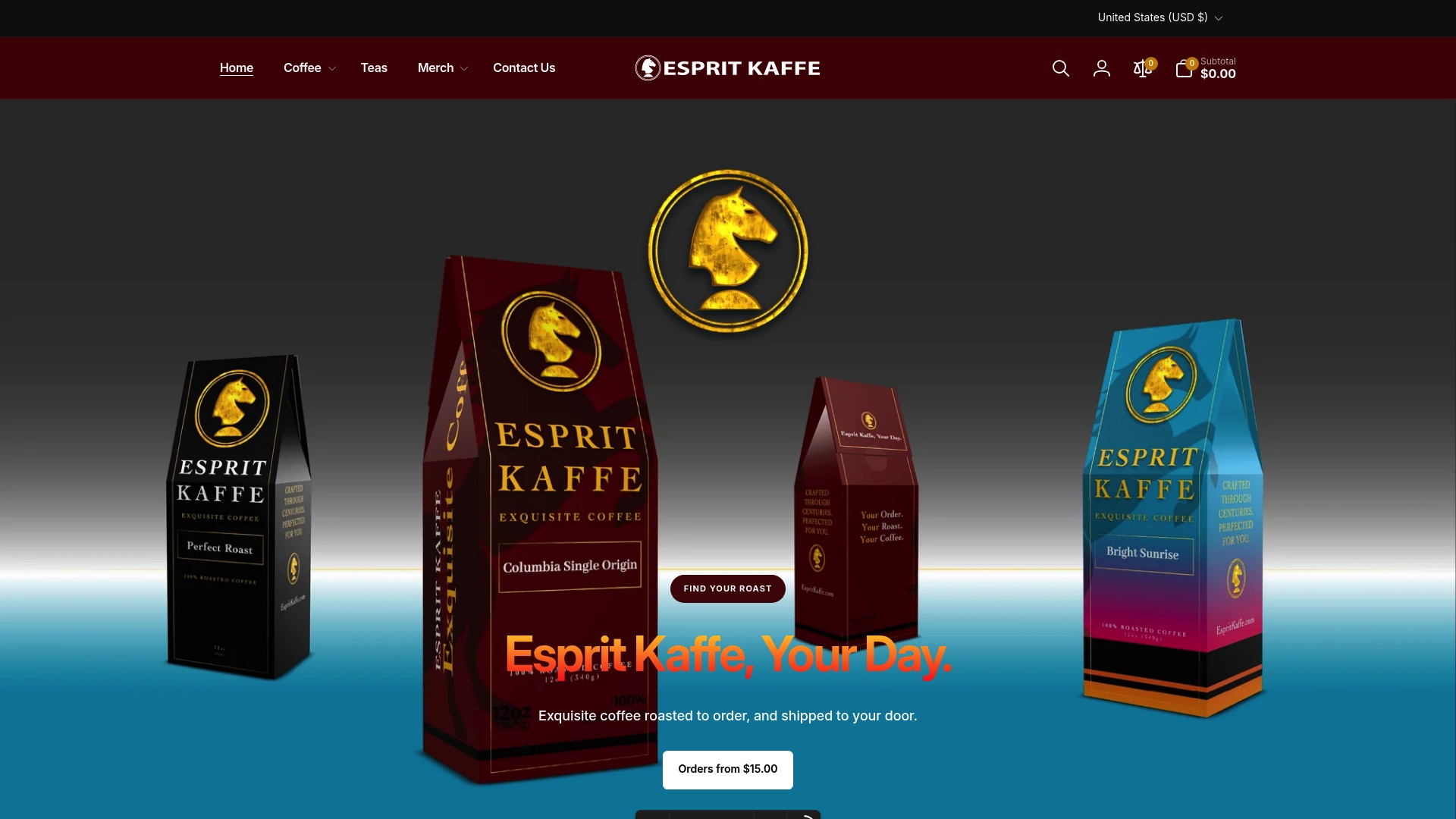
If you want to experience what specialty-grade sourcing tastes like in an unexpected format, the Coffee with Mushrooms Medium Roast is worth your attention. It pairs a medium-roast base with functional mushroom ingredients, producing a cup that is grounded and clean without bitterness. It reflects the same commitment to quality and intentional ingredients that defines the specialty coffee movement. For enthusiasts who want to push beyond single-origin exploration, it is a logical next step. Browse the full Espritkaffe range and find the roast that fits your morning.
FAQ
What is Primavera Green Coffee?
Primavera Green Coffee is a Guatemalan specialty coffee importer that works directly with over 250 smallholder farmers. It won the Specialty Coffee Association’s 2023 Sustainability Award for its transparent sourcing model.
How is Primavera coffee different from spring blends?
Primavera coffee from the Guatemalan project is a traceable single-origin product. Seasonal spring blends use the “primavera” name for marketing but are not connected to the Guatemalan importer or its supply chain.
What does Primavera coffee taste like?
Primavera coffee typically delivers rich chocolate, citrus, and stone fruit notes with clean acidity. Processing method shifts the balance, with washed lots leaning citrus and natural lots leaning fruit and sweetness.
What brewing method works best for Primavera coffee?
Pour-over at 200°F with a medium-fine grind and a 1:15 coffee-to-water ratio produces the clearest expression of Primavera’s flavor. Espresso works well for the chocolate base, and French press suits natural process lots.
Where can I find authentic Primavera coffee?
Look for specialty roasters who name Primavera Green Coffee as their green coffee importer and list specific lot or farm details. Vague sourcing language usually signals a generic spring blend rather than the Guatemalan project.