

Nutty coffee means flavors like almond, hazelnut, or chestnut, usually without any added flavoring. The fastest route to a genuinely nutty cup is a medium to medium-dark roast from a South American origin or Papua New Guinea. Roast level and processing shape the outcome more than origin alone, so check both before buying.
TL;DR:
- Nutty coffee flavors are most reliably produced by medium to medium-dark roasts from South American or Papua New Guinea origins, with processing methods also influencing flavor.
- Roasting chemistry, specifically the Maillard reaction, creates nutty aromas through compounds like alkylpyrazines, which are affected by both origin precursors and roast color.
- Roast color, not roast time, determines the nutty versus fruity taste profile, with medium roasts best balancing melanoidins and acidity for a nutty character.
- Brewing method and grind size can enhance nuttiness, with pour-over highlighting individual notes and espresso emphasizing deeper, toastier flavors.
- Authentic, natural nutty flavors are distinguishable from flavored or oil-sprayed coffees, which often have a syrupy aroma and oily surface indicating added flavoring.
Table of Contents
- Origins and bean types that produce nutty notes naturally
- Roasting chemistry and the compounds that create nutty aromas
- How roast level and color shape nuttiness, acidity, and body
- Brewing and grind choices that bring out nutty flavors
- Spotting flavored coffee versus naturally nutty beans
- Practical next steps for trying nutty coffees
- Storage tips to preserve nutty flavor and aroma
- Health and nutritional aspects of compounds behind nutty notes
- Common varietals known for inherent nutty flavors
- An author’s perspective on testing nutty coffees
- Try Esprit Kaffe’s nutty coffee options
- Sources
- FAQ
Origins and bean types that produce nutty notes naturally
Certain growing regions and processing methods set up the chemistry that roasting later turns into nuttiness. Elevation, varietal, and how the cherry is processed all shift the final cup toward or away from nut-like flavors.
- Brazil (Cerrado, Santos): low acidity, common chocolate and nutty impressions, often natural or pulped-natural processed.
- Peru: cleaner, milder profile with clear almond notes at medium roast.
- Papua New Guinea: earthy, nutty balance with more body than South American lots.
Lower elevation and washed or natural processing tend to produce rounder, nuttier cups, while high-grown washed coffees usually lean brighter and more acidic. When buying, read the bag for origin, roast color, and tasting notes together. A roaster that lists all three gives a far more reliable read on nuttiness than origin alone.
Roasting chemistry and the compounds that create nutty aromas
Nutty aroma comes from the Maillard reaction, the same browning chemistry that happens in baking or searing. As beans roast, sugars and amino acids combine to form melanoidins and a class of compounds called alkylpyrazines. Research cited in a study on roasting-driven aroma generation ties specific alkylpyrazines, including 2,3,5-trimethylpyrazine, directly to nutty aroma descriptors.
The precursor pool at origin matters as much as the roast itself. A 2026 study on biomimetic fermentation found that controlled post-harvest fermentation can raise certain precursor amino acids by 1.89-fold and increase alkylpyrazine and ester formation by up to 3.08-fold during later roasting, shifting the cup toward more pronounced nutty and fruity notes.
This is why roast color, not roast time, is the better predictor of flavor. Two batches roasted for the same number of minutes can taste different if their heat transfer and final melanoidin levels differ. For a deeper walkthrough of this chemistry, see our explainer on what the Maillard reaction does in coffee roasting.
How roast level and color shape nuttiness, acidity, and body
Roast color, more than roast time, determines whether a coffee reads as fruity, balanced, or nutty, according to Specialty Coffee Association guidance on roast color. Light roasts preserve more fruity acidity and mute nutty tones. Medium roasts start to build melanoidins, giving the first clear almond or hazelnut impressions. Medium-dark roasts push further into chestnut and toffee territory. Dark roasts can tip into charred or bitter flavors that mask nuttiness rather than support it.
- Light roast: bright, acidic, minimal nuttiness.
- Medium roast: balanced sweetness with emerging nutty notes.
- Medium-dark roast: fuller body, pronounced nutty and chocolatey notes.
- Dark roast: smoky or bitter, often overpowering subtler nut flavors.
An “omniroast,” a roast level chosen to work across brew methods, often lands in the medium to medium-dark range precisely because it balances melanoidins with retained acidity. On the bag, look for a stated roast color, a roast date, and cupping notes rather than vague marketing language. One warning sign is a flavor that reads like rancid peanut instead of fresh nut: that usually signals stale beans or an overly aggressive roast, not a genuine tasting note.
Pro Tip: Buy beans roasted within the last two to three weeks. Nutty notes fade fastest in beans that sit too long before or after grinding.
Brewing and grind choices that bring out nutty flavors
Pour-over, French press, and espresso all highlight nuttiness differently. Pour-over offers the clearest read on individual notes like almond or chestnut. French press adds body and rounds out the sweetness, which suits chocolatey, nutty Brazilian coffees well. Espresso concentrates melanoidins and can push medium-dark roasts toward a deeper, toastier nuttiness.
- Use a medium grind for pour-over and a medium-coarse grind for French press.
- Brew with water between 195°F and 205°F to avoid underextraction, which mutes sweetness.
- Start with a ratio near 1:16 (coffee to water) and adjust to taste.
- Taste at the two-minute mark and again once cooled, since nutty notes often strengthen as coffee cools.
- Brew the same beans two ways, say pour-over and French press, to isolate how much of the nuttiness comes from the roast versus the method.
Pro Tip: If a cup tastes flat or dull rather than nutty, grind finer before raising the water temperature. Grind size usually fixes weak extraction faster than heat does.
For more on separating bright acidity from the deeper, rounder notes nuttiness depends on, our guide to coffee acidity versus bitterness walks through the tasting steps in more detail.
Spotting flavored coffee versus naturally nutty beans
Flavored coffees often use oils or extracts sprayed onto roasted beans, which produces a different sensory signature than coffee that develops nuttiness through roasting chemistry alone.
- A one-note, syrupy aroma that smells more like an extract than roasted coffee is a red flag.
- An oily or slightly sticky bean surface beyond normal roast oils suggests added flavoring.
- Extreme, clingy sweetness that lingers unnaturally in the aftertaste often points to flavoring rather than natural compounds.
- Check the label: anything beyond “100% coffee” or a stated single origin, such as “flavored” or “natural flavors,” confirms added flavoring.
A simple home test helps too: smell the dry grounds, then smell the brewed cup. Natural nuttiness shifts subtly between the two; flavored coffee usually smells almost identical both times because the flavoring sits on the surface rather than developing through roasting. Our guide to natural tasting notes in flavored coffee covers more label-reading tips. Roasters trained on the Coffee Taster’s Flavor Wheel are generally more consistent at naming genuine nutty attributes rather than mistaking added flavor for roast character.
Practical next steps for trying nutty coffees
Once you know what to look for, the fastest way to learn your preference is to taste across origins and roasts side by side rather than guessing from a single bag.
- Try a medium-dark Brazil for chocolate-leaning nuttiness with low acidity.
- Try a medium Peru for a cleaner, clearer almond note, detailed further in our Peruvian coffee flavor and brewing guide.
- Try a Papua New Guinea lot for earthier, fuller-bodied nuttiness.
Buying a sample pack rather than a single full bag lets you taste three or four profiles without committing to one. Look for roasters who print the roast date and origin clearly, since that transparency is what lets you connect a specific flavor back to a specific roast decision rather than guessing.
The Single Origin Favorites Sample Pack from Esprit Kaffe is built for exactly this kind of side-by-side tasting, pairing different origins and roast levels so you can find your own nutty preference without buying full bags of each.
Storage tips to preserve nutty flavor and aroma
Nutty notes come from melanoidins and alkylpyrazines formed during roasting, and both degrade with exposure to air, light, heat, and moisture. Store beans in an airtight, opaque container, away from the stove or any direct sunlight.

Buy in quantities you will use within two to three weeks of the roast date rather than stockpiling months of beans. Whole beans hold their nutty character longer than pre-ground coffee, since grinding exposes far more surface area to oxygen. Grind just before brewing whenever possible.
Avoid storing coffee in the refrigerator. Beans absorb moisture and surrounding odors from other foods, which can dull or distort nutty notes before you ever brew them. Freezing works only if beans are in a fully sealed, airtight bag and used in one go after thawing, since repeated temperature swings introduce condensation that degrades flavor.
Check the bag’s roast date before buying, not just a generic “best by” date. A coffee roasted eight weeks ago can still sit inside a one-year shelf life while having already lost much of its nutty complexity. Fresher beans consistently show clearer, more distinct almond, hazelnut, or chestnut notes than older stock, even when both are stored correctly.
Health and nutritional aspects of compounds behind nutty notes
The compounds responsible for nutty flavor, mainly melanoidins and alkylpyrazines formed through the Maillard reaction, are a byproduct of roasting chemistry rather than an added nutrient, so they are not a meaningful source of vitamins or minerals on their own.
What matters more for most drinkers is caffeine content, which does not change based on how nutty or non-nutty a coffee tastes. According to FDA guidance on caffeine, a typical 8-ounce cup of brewed coffee contains about 95 milligrams of caffeine, and up to 400 milligrams per day is generally not associated with negative effects for most healthy adults. Roast level has only a small effect on caffeine content, so a medium-dark nutty roast and a light, bright roast deliver a similar dose per cup.
Beyond caffeine, coffee’s health profile comes mainly from other compounds, like antioxidants, that are not specific to nutty-tasting beans. Choosing a nutty coffee is a flavor decision, not a nutritional upgrade.
Common varietals known for inherent nutty flavors
Some coffee varietals lean toward nutty character regardless of where they are grown, though origin and processing still shape the final cup. Catuai and Mundo Novo, both common in Brazil, tend to produce the low-acid, chocolate-and-nut profile that Brazilian coffees are known for. Typica and Bourbon, older heirloom varietals grown across South America, often show rounder body and milder nut tones compared to brighter, more acidic varietals like Gesha.
Canephora, more widely known as robusta, also carries nutty and earthy characteristics, though it tends to show a heavier, sometimes harsher edge compared to arabica. Robusta’s higher chlorogenic acid content and different sugar structure give it a different roasting response than arabica, which affects how melanoidins and pyrazines develop. Our breakdown of arabica versus robusta covers how species differences shape flavor outcomes in more depth.
No single varietal guarantees a nutty cup. Processing, roast level, and freshness still determine whether that genetic potential shows up clearly in the final cup.

An author’s perspective on testing nutty coffees
I judge nuttiness the same way every time: smell the dry grounds, smell the wet grounds, then taste once hot and once cooled, checking against the flavor wheel rather than guessing from memory. Esprit Kaffe’s roast choices are built around that same discipline, matching roast level to the nut character each origin can actually deliver. Practicing this routine, even informally, makes the difference between tasting notes on a bag feeling real.
— Jett
Try Esprit Kaffe’s nutty coffee options
Some roasters choose to roast coffee by origin and roast level rather than mass-market blending, which can help find genuine nutty flavor. 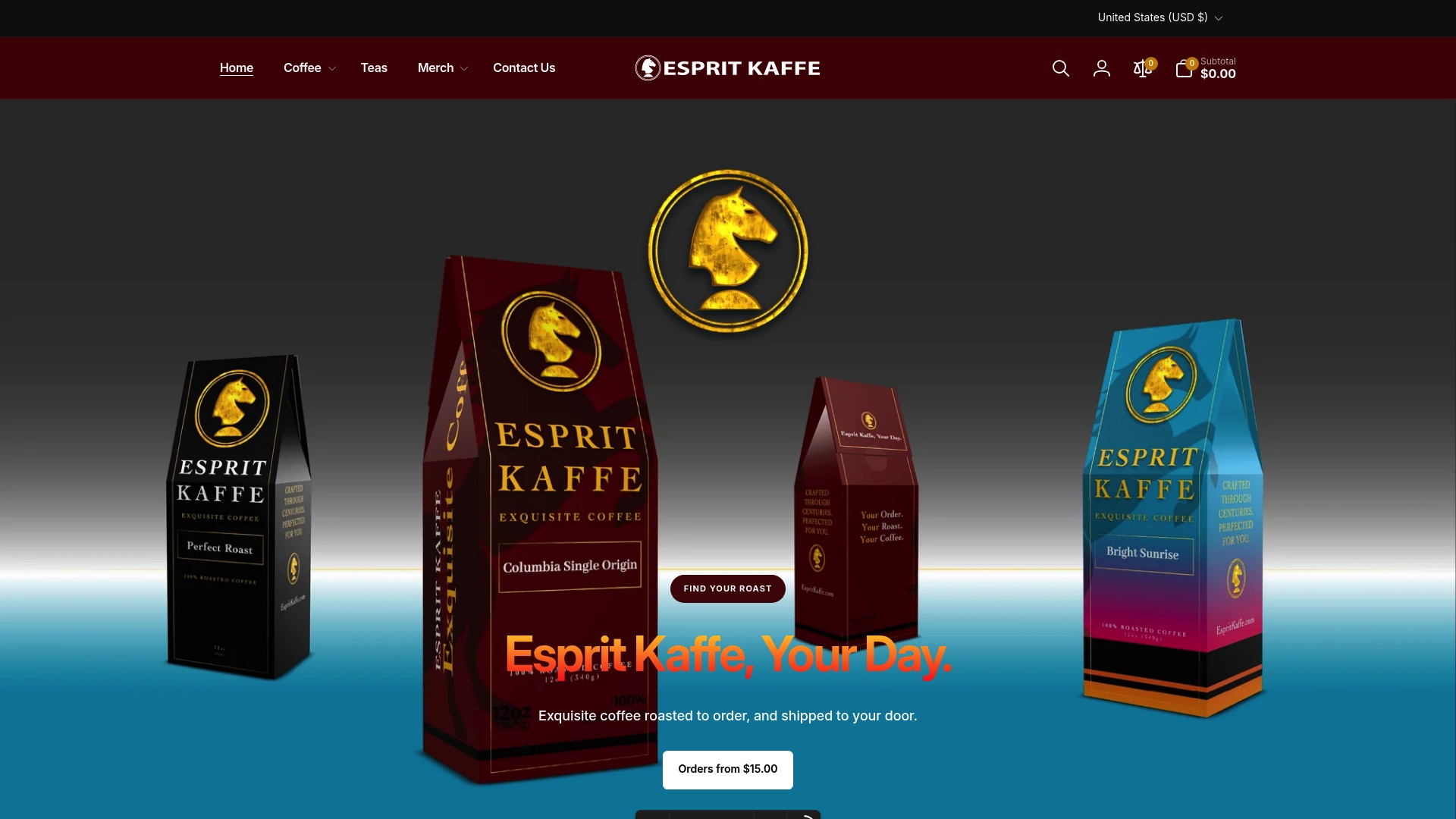
- Browse single-origin Coffee, priced from $15.00, including South American and Papua New Guinea lots suited to nutty profiles.
- Taste across roasts with the Single Origin Favorites Sample Pack.
- Join the Esprit Kaffe Members Club Subscription for ongoing access to fresh roast dates.
Every bag lists origin and roast date, which is the transparency this guide recommends checking before you buy. Start with the coffee collection and pick a roast that matches the nutty profile you want.
Sources
For further reading, see the Specialty Coffee Association’s roast color guidance, the Maillard reaction study, the fermentation and precursor pool research, and FDA caffeine guidance. For visual and sensory tasting tips, see Caffeine.exe’s guide to tasting notes.
- Spilling the beans: How much caffeine is too much? — FDA
- Maillard reaction and aroma generation — PMC
- Coffee decoded: 4 — Roast color matters — Specialty Coffee Association
- Biomimetic Fermentation Reshapes Precursor Pools to Drive Synergistic Roasting Reactions — MDPI
FAQ
What coffee bean has a nutty taste?
Brazilian varietals like Catuai and Mundo Novo, along with coffees from Peru and Papua New Guinea, commonly show almond, hazelnut, or chestnut notes, especially at medium to medium-dark roast. Processing and roast level still determine how clearly that nuttiness comes through.
What does “nutty coffee” mean?
Nutty coffee describes tasting notes like almond, hazelnut, chestnut, or peanut that develop naturally during roasting through the Maillard reaction. It refers to a flavor profile, not an added ingredient, when the coffee is unflavored.
Why do some coffees taste nutty?
Nuttiness comes from melanoidins and alkylpyrazine compounds formed as sugars and amino acids react during roasting, a process described in research on roasting-driven aroma formation. Origin, varietal, and processing also shape how strongly these compounds develop.
What is the unhealthiest type of coffee?
No roast level or flavor profile on its own makes coffee unhealthy. According to FDA guidance, up to 400 milligrams of caffeine daily, about four 8-ounce cups, is generally fine for most healthy adults, so heavily sweetened or high-caffeine preparations, not nutty flavor itself, are the bigger concern.