

North Carolina’s specialty coffee scene is one of the most concentrated and diverse in the American South, with artisanal roasters across Asheville, Raleigh, Durham, and Charlotte offering between 18 and 30 unique roast profiles. Coffee roasters in North Carolina share a defining commitment: small-batch production, roast-to-order freshness, and sourcing that respects the farmers who grow the beans. Whether you are chasing a bright Ethiopian single-origin or a deep, chocolatey dark roast, this guide cuts through the noise and points you to the roasters worth your time and your money.
1. What makes coffee roasters in North Carolina stand out?
North Carolina roasters stand out because they treat freshness as a non-negotiable standard, not a marketing claim. The roast-to-order model minimizes bitterness by ensuring beans are roasted close to the moment you brew them. That single practice separates the best local roasters from mass-market brands that ship coffee weeks after roasting.
Small-batch production is the technical backbone of this approach. Many NC roasters work in batches of 5–10 lbs at a time, which gives the roaster precise control over heat application and flavor development. Larger commercial roasters cannot replicate that level of attention at scale.
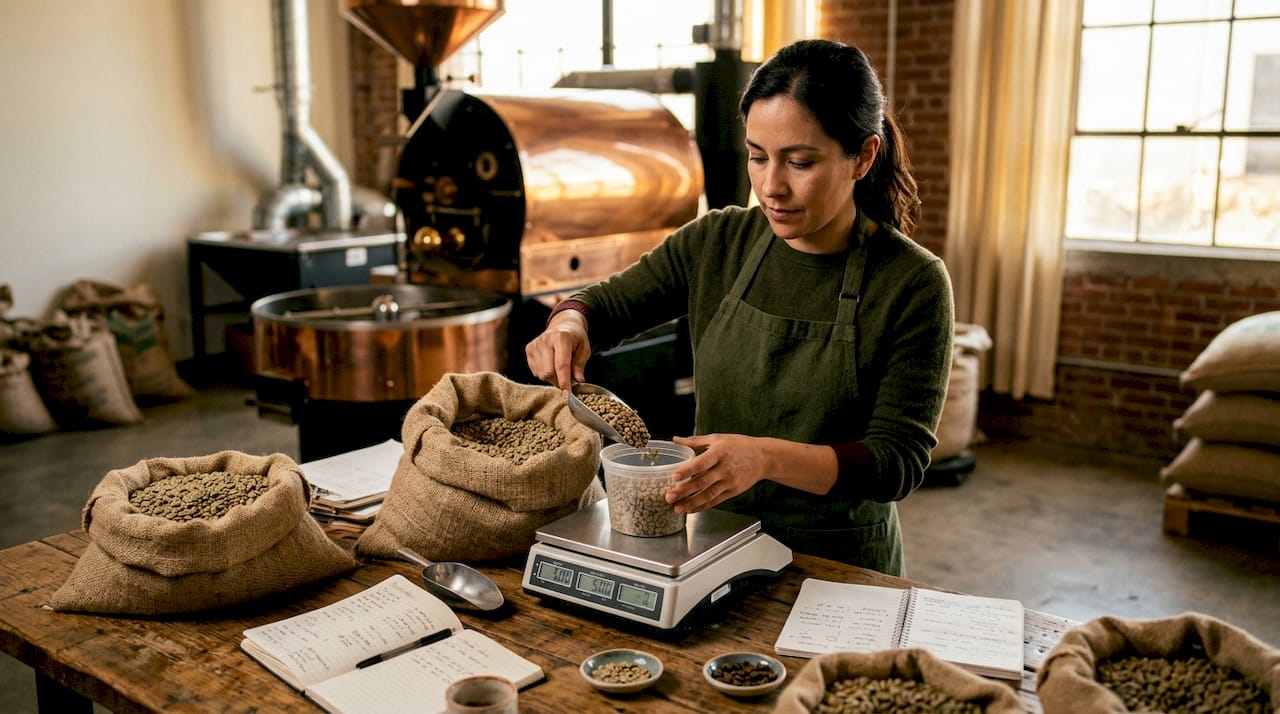
The sourcing philosophy matters just as much as the roasting method. NC roasters increasingly use direct trade practices, building direct relationships with coffee growers to guarantee quality and pay farmers fair wages. That ethical foundation shows up in the cup as consistency and traceability.
Key characteristics that define the best NC roasters:
- Roast-to-order production that ships within days of roasting
- Direct trade sourcing with named farms and regions
- Small-batch control for precise flavor development
- Sustainable ethics built into pricing and supplier relationships
- Community engagement through local events and coffee education
Pro Tip: Ask any roaster when their last roast date was before you order. A roaster proud of freshness will answer immediately. One that hesitates is worth skipping.
2. Asheville coffee roasters and their curated approach
Asheville is North Carolina’s most recognized specialty coffee hub, and its roasters reflect the city’s broader culture of craft and intentionality. Asheville roasters typically offer 4 to 5 highly curated roast selections rather than sprawling menus. That restraint signals confidence. These roasters know their profiles deeply and refine them constantly.
The Asheville scene prioritizes quality over volume. Roasters here tend to source from specific regions in Ethiopia, Colombia, and Guatemala, then develop roast profiles that highlight the natural characteristics of each origin. You will find more light and medium roasts in Asheville than anywhere else in the state, reflecting a preference for clarity and origin expression over roast-driven flavor.
Community ties run deep in Asheville’s coffee culture. Many roasters host public cuppings, collaborate with local bakeries, and sell at farmers markets alongside produce vendors. That integration into daily community life builds loyalty that no advertising budget can replicate.
What to expect from Asheville roasters:
- Curated, small menus with 4–5 rotating single-origin offerings
- Light to medium roast focus that highlights origin character
- High customer ratings driven by consistent quality and personal service
- Community programming including cuppings and brewing workshops
3. Raleigh and Durham roasters and their range of profiles
Raleigh and Durham roasters serve larger, more diverse urban markets, and their menus reflect that demand. Roasters in these cities offer between 18 and 30 distinct roast profiles, making the Research Triangle one of the most varied coffee markets in the Southeast. That variety is not just quantity for its own sake. It reflects genuine demand from a population that includes university communities, tech workers, and longtime coffee enthusiasts.
Durham in particular has developed a reputation for specialty coffee culture that attracts connoisseurs and encourages collaboration between roasters, cafes, and food producers. The city’s roasters often cross-promote with local restaurants and breweries, treating coffee as a culinary ingredient rather than a commodity.
Raleigh roasters tend to be more retail-focused, with strong direct-to-consumer channels and subscription programs. Many offer sampler packs that let you work through their full range before committing to a larger order. That approach works well for enthusiasts who want to map the full spectrum of NC coffee before settling on a favorite.
Standout features of Raleigh and Durham roasters:
- Wide roast ranges from light single-origins to bold dark blends
- Subscription and sampler options for systematic exploration
- Culinary collaborations with local food and beverage producers
- Strong online ordering with fast local delivery
4. Charlotte coffee roasters and their direct-to-consumer model
Charlotte’s specialty coffee scene blends small-batch craft with the demands of a fast-growing metro area. Charlotte roasters offer 14 or more roast profiles and have moved aggressively into subscription models that deliver fresh coffee on a schedule you control. That combination of variety and convenience has made Charlotte one of the fastest-growing markets for artisanal coffee in the state.
The direct-to-consumer approach in Charlotte goes beyond just shipping coffee. Some NC roasters include handwritten notes and complimentary treats with orders, turning a routine purchase into a personal experience. That kind of detail builds the kind of loyalty that keeps customers returning long after the novelty of a new roaster wears off.
Charlotte roasters also tend to invest in packaging that communicates origin and roast information clearly. You will find detailed tasting notes, roast dates, and farm information on most bags. That transparency reflects the broader shift in specialty coffee toward treating the consumer as an informed participant rather than a passive buyer.
For a deeper look at how artisanal coffee choices compare across regions, the guide to artisan brews at Espritkaffe covers the flavor categories worth understanding before you order.
5. Customer service and satisfaction policies that set NC roasters apart
The best coffee roasters in NC back their product with policies that remove the risk from trying something new. Many small-batch NC roasters replace unsatisfactory products without question, a practice that signals genuine confidence in their roasting. That policy also removes the hesitation a first-time buyer might feel when ordering from an unfamiliar roaster.
Near-perfect 5-star ratings from roasters using the roast-to-order model confirm that freshness and customer service together drive satisfaction more than any single flavor profile. Roasters who ship stale coffee and offer no recourse lose customers permanently. Roasters who ship fresh coffee and stand behind it build communities.
Personalized packaging and direct-to-consumer sales also raise the perceived value of a local purchase. When a bag of coffee arrives with a handwritten note and a clear roast date, you feel the difference between a local roaster and a warehouse fulfillment operation. That feeling is not incidental. It is a deliberate part of how the best NC roasters build their brand.
6. How to choose the right North Carolina coffee roaster for your taste
Choosing the right roaster comes down to matching their strengths to your preferences and brewing setup. A roaster known for light, floral Ethiopian coffees is not the right fit if you pull espresso and want a chocolatey, low-acid base. Knowing what you want before you browse saves time and money.
Key factors to evaluate when choosing a roaster:
- Roast level range: Do they offer the roast level you prefer, from light to dark?
- Origin transparency: Do they name the farm, region, and processing method?
- Freshness policy: Do they list the roast date on every bag?
- Sourcing ethics: Do they use direct trade or fair trade certification?
- Subscription options: Can you automate reorders and adjust frequency?
Pro Tip: Start with a sampler or a single small bag before committing to a subscription. Most NC roasters offer 4 oz or 8 oz trial sizes. Use them to find your profile before you buy in bulk.
For enthusiasts who want to understand the technical side of what makes a roast distinctive, the fire roast methods guide at Espritkaffe explains how heat application shapes flavor from origin to cup.
| Factor | What to look for |
|---|---|
| Freshness | Roast date printed on every bag |
| Sourcing | Named farm or direct trade relationship |
| Roast range | At least light, medium, and dark options |
| Customer policy | Replacement or refund for unsatisfactory orders |
| Subscription | Flexible frequency with easy pause or cancel |
Key takeaways
North Carolina’s best coffee roasters combine small-batch production, roast-to-order freshness, and direct trade sourcing to deliver a cup that mass-market brands cannot match.
| Point | Details |
|---|---|
| Freshness is the top differentiator | Roast-to-order models eliminate bitterness and ship within days of roasting. |
| City scenes vary significantly | Asheville curates small menus; Raleigh and Durham offer up to 30 profiles. |
| Customer service builds loyalty | Replacement policies and personalized packaging turn buyers into regulars. |
| Direct trade sourcing matters | Named-farm sourcing guarantees quality and supports ethical farming practices. |
| Subscription models add convenience | Charlotte and Raleigh roasters lead in flexible direct-to-consumer delivery options. |
What I’ve learned from years in the NC coffee scene
The thing that surprises most people about North Carolina’s coffee culture is how seriously the roasters take the sourcing side. I expected craft. I did not expect the depth of relationships these roasters maintain with farms in Ethiopia, Colombia, and Guatemala. These are not transactional supplier deals. They are multi-year partnerships built on shared standards.
The other thing worth saying plainly: the gap between a freshly roasted bag from a local NC roaster and a grocery store bag is not subtle. It is dramatic. The first time you brew a bag that was roasted four days ago, you will not go back. That is not nostalgia for local business. It is a measurable difference in flavor.
My honest recommendation for anyone starting to explore this scene: resist the urge to order from five roasters at once. Pick one city, pick one roaster, and work through their full range before moving on. The NC coffee scene rewards patience and attention. Treat it like a tasting menu, not a buffet.
The roasters doing the most interesting work right now are the ones combining direct trade sourcing with experimental processing methods, like natural and honey-processed beans. Those profiles are worth seeking out specifically. They represent where NC coffee is heading, not just where it has been.
— Jett
Espritkaffe and the NC coffee enthusiast
North Carolina coffee enthusiasts who want that same roast-to-order freshness and bold flavor clarity at home have a direct option with Espritkaffe. Built for people who treat their morning cup as a deliberate ritual, Espritkaffe delivers coffee roasted for you, not for everyone.
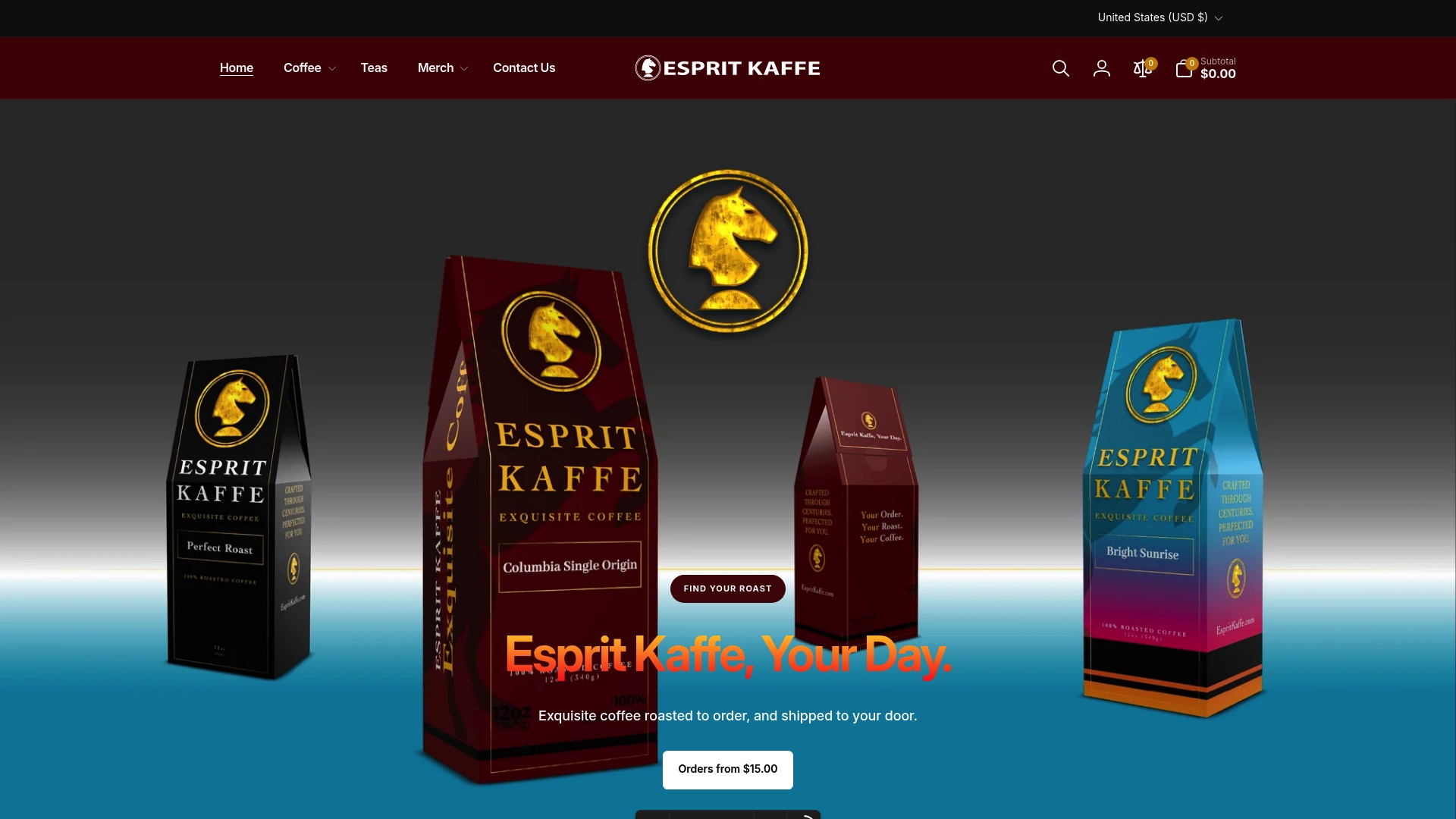
The Esprit Kaffe Members Club subscription delivers curated selections on your schedule, so you never reach for a stale bag again. For those who want bold, no-compromise flavor, the dark roast collection offers exactly the depth and richness that NC coffee enthusiasts already seek from their local roasters. Espritkaffe also offers single-serve coffee capsules for days when convenience matters as much as quality.
FAQ
What cities have the best coffee roasters in North Carolina?
Asheville, Raleigh, Durham, and Charlotte are the primary hubs for specialty coffee roasting in North Carolina. Each city has a distinct style, from Asheville’s curated small menus to Raleigh and Durham’s wide roast ranges of up to 30 profiles.
What is the roast-to-order model and why does it matter?
The roast-to-order model means a roaster roasts your coffee after you place the order, not weeks in advance. This practice minimizes bitterness and delivers peak freshness, which is the primary reason roast-to-order roasters consistently earn higher customer satisfaction ratings.
How do I know if a North Carolina roaster uses ethical sourcing?
Look for direct trade or fair trade language on their website, along with named farms or specific growing regions on their product pages. NC roasters committed to ethical sourcing typically pay farmers above commodity prices and publish their sourcing relationships openly.
Are subscription services worth it for NC coffee enthusiasts?
Yes, especially for roasters using the roast-to-order model. Subscriptions automate the reorder process and often include priority roasting, meaning your coffee ships fresher than a standard one-time order. Charlotte and Raleigh roasters in particular have built strong subscription programs with flexible frequency options.
How many roast profiles should a good NC roaster offer?
That depends on the city and the roaster’s philosophy. Asheville roasters typically offer 4–5 highly refined profiles. Raleigh and Durham roasters may offer 18–30 to serve diverse urban markets. Neither approach is superior. The right number is whatever allows the roaster to maintain consistent quality across every profile they sell.